Poverty and Slow Fashion in Mexico
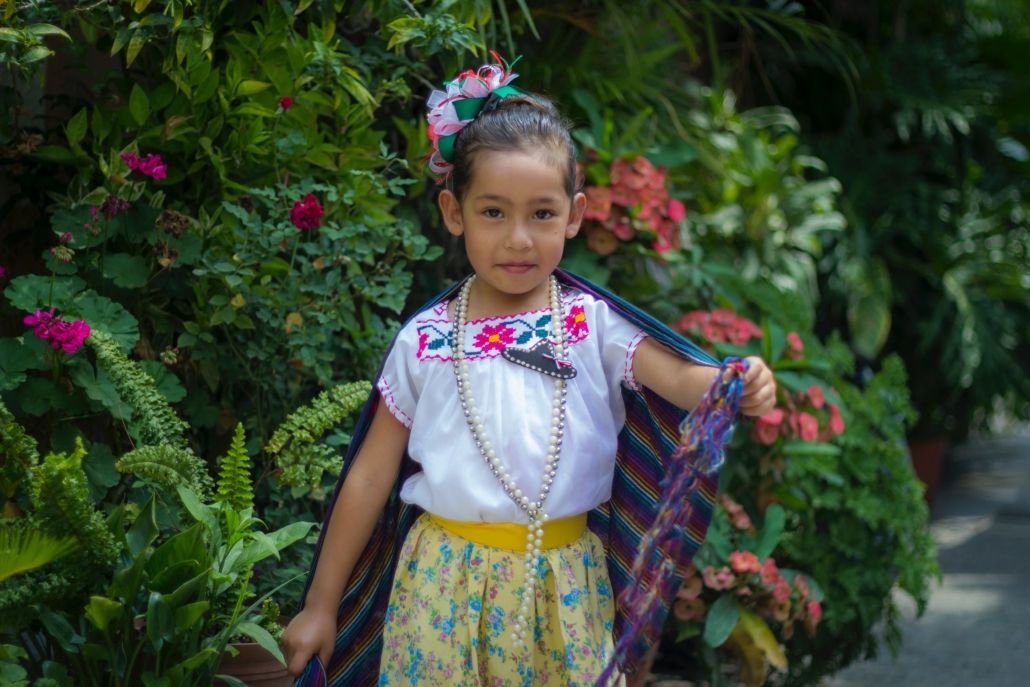
Mexico is rich with indigenous craftsmanship but it is slowly disappearing because of fast fashion. Without artisanal work, indigenous communities have had to work in different markets or migrate to seek jobs overseas. This has caused highly skilled artisans to leave behind their craft and their unique culture in exchange for underpaid jobs with inhumane working conditions. Brands and consumers that prioritize Mexican artisanal work help preserve the textile heritage and techniques unique to indigenous communities. Here is some information about the relationship between poverty reduction and slow fashion in Mexico.
Slow Fashion
The concept of slow fashion takes into account the resources and processes necessary to make clothing with a positive social and environmental impact. It means valuing the fair treatment of people, animals and the planet. Slow fashion in Mexico has been most effective through the small-scale, ethical and eco-friendly production of textiles and garments that artisans make. Carla Fernandez, designer and pioneer of slow fashion in Mexico, set the framework to prioritize a bottom-up creation process rooted in studying the artisanal textile-making techniques so that artisans can be the protagonists in the production and design process. This allows respect to go to ancestral production techniques and designs and helps preserve traditional pre-hispanic craftsmanship.
The Partnership with Conaculta
In 2013, Fernandez and her team partnered with the Mexican Secretary of Culture to systemize a methodology to work with artisan cooperatives. The Barefoot Designer Manual published the research and the General Directorate of Publications of Conaculta edited it. Partnership with Conaculta meant greater institutional responsibility for preserving Mexico’s cultural heritage through fashion. It also allowed more designers to take part in slow fashion through the detailed training manual. This has empowered rural artisans because they can receive fair wages for their labor and greater market access as more designers acquire knowledge on sustainable production techniques in indigenous communities and how to fairly integrate them into the fashion industry.
As indigenous artisanry secures more commercial success at international value chains, it also helps shift the industry to slow fashion. This transition especially supports Mexican artisans based in rural areas. In 2016, Mexican Household Income and Expenditure Survey data revealed that citizens within major federal entities earned more than 50% in comparison to those in rural areas. Artisanal cooperatives would help bring economic growth within Mexico’s most remote areas, which was previously not achieved by top-down NGO and governmental development programs aimed at supporting and training artisans.
Benefits of Slow Fashion
At the beginning of the pandemic, Mexico’s federal government and two companies committed to purchasing handmade face masks produced in Mexican communities that the pandemic hit the hardest. The National Fund for the Promotion of Handicrafts managed 139 artisanal groups which included Mayan, Mixtec and Zapotec artisans to make cloth masks using their traditional techniques. This initiative provided $85,560 USD for materials and provided training to ensure masks met health requirements. Every mask produced has had the name of the maker and the name of their town embroidered on it. This initiative is an example of how artisans are capable of producing essential goods during COVID-19 while still promoting cultural diversity through slow fashion.
By understanding the problems of unemployment and artisanal skills unique to each region, it has allowed for economic opportunities to open up. This helps preserve traditional artisanal activities, supports the growth of slow fashion and empowers forgotten and invisible rural artisans.
– Giselle Magana
Photo: Pexels
