How NetHope is Helping to Connect Rohingya Refugees
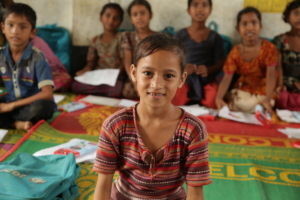 As of 2023, roughly 1.27 million Rohingya people live as refugees or asylum seekers. Around 100,00 live in refugee camps within their native country of Myanmar while 900,000 are in camps in neighboring Bangladesh. Like many living in refugee camps, the quality of life for the Rohingya is extremely poor, with high rates of hunger and dehydration and limited access to health care and electricity. Amid the challenges, one organization, NetHope, continues working toward changing the situation by helping to connect Rohingya refugees to each other and the outside world.
The Current Situation
The Rohingya, an ethnic and religious minority, have long endured oppression in their native land of Myanmar. As early as 1978, the military perpetrated numerous atrocities against the Rohingya, including mass killings and arson, prompting the exodus of 200,000 individuals from the country. In 1982, the government formally revoked the Rohingya’s citizenship, rendering them stateless. In the early 1990s, another wave of Rohingya sought refuge in Bangladesh to escape forced labor and religious persecution.
Living as Muslims in a nation where a majority of the population practices Buddhism, the Rohingya have been victims of anti-Rohingya violence fueled by ultra-religious nationalism. Senior Buddhist monks even participated when the first wave of mass killings of Rohingya began in 2012 following clashes between Muslims and Buddhists.
However, in 2017, the anti-Rohingya violence escalated to a mass scale. Following an attack by a group of Rohingya militants, the government responded with brutal military force targeting the entire Rohingya population. This unleashed a series of mass killings, village burnings, lootings and even sexual violence, widely recognized as genocide. Within three months, these atrocities forced nearly 700,000 Rohingya to flee to Bangladesh. Since then, the refugee population has continued to grow, and the dire situation remains unresolved.
Life in the Camps
The majority of Rohingya continue to reside in refugee camps in Bangladesh, enduring harsh living conditions and poverty. A study published by Burma Human Rights Network in February 2022 revealed that 93% of interviewed Rohingya reported inadequate access to food, while 50% expressed limited access to medical assistance. Furthermore, those interviewed highlighted the prevalence of crime within the camps, including arson, human trafficking and drug abuse.
Adding to their plight, the Bangladeshi government has displayed little to no cooperation and even oppression toward the Rohingya. Some refugees allege that the security forces responsible for safeguarding the camps themselves engage in abuse. Additionally, refugees face restrictions on employment and education outside the camps, as Bangladesh fears it may lead to their permanent settlement.
NetHope Steps In
NetHope, a “consortium of over 60 leading global nonprofits,” is trying to help the Rohingya by bringing them safe and reliable power and internet. The organization’s overall goal, both in this endeavor and in general, is to utilize modern technology to provide innovative solutions to humanitarian and development problems.
Member participants of NetHope have been operating in the Bangladesh/Myanmar region since 2017 to assess the Rohingya situation, formulate solutions and implement change. These participants found that improving internet access to the camps would, “have a deeply beneficial effect on the humanitarian response and can help responding agencies to overcome a number of critical challenges.” This conclusion came about after realizing that better internet access could help in managing the camps, as well as create better communication with NGO agencies and foreign governments.
Fortunately, NetHope and its acting partners have made some headway in achieving some results. In early 2020, workers on the ground constructed “eight wireless base station towers” to support a network for better communication among aid workers.
Looking Ahead
NetHope noted there is still room for much work in the effort to connect Rohingya refugees to the rest of the world. So far, the organization has formulated several possible solutions to building a wider, more accessible internet network inside the camps. However, these would require cooperation from the Bangladeshi government, as well as a stable power supply among other things. But with more diplomatic effort, there is hope for a brighter future for the Rohingya.
– Jonathon Crecelius
Photo: Flickr
