5 Facts About Poverty in Indonesia Papua
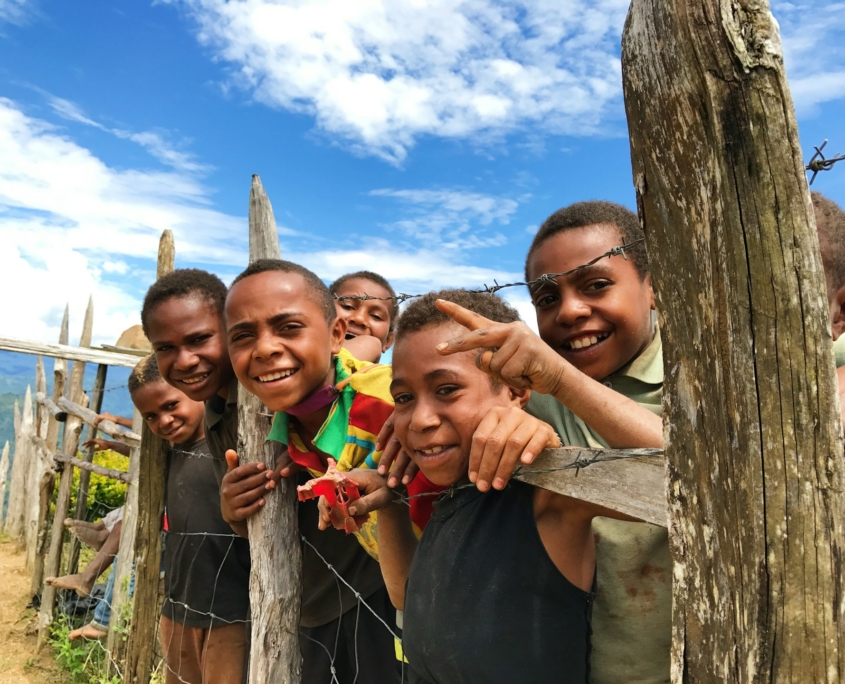 Indonesia is the world’s fourth most populous country and boasts the 10th largest economy. Over the past few years, Indonesia has made great strides in economic growth. Nationwide poverty level has decreased steadily. In fact, between 1999 and 2019, the poverty rate was reduced by more than half and now only 9.5% of the country lives under the poverty line. Despite overall positive trends in poverty alleviation across Indonesia, province-based inequalities are still rampant.
Poverty Disparities in Indonesia
Papua and West Papua, which make up Indonesian New Guinea, have the highest poverty rates in Indonesia. More than 28% of residents in these provinces live below the poverty line, significantly higher than the national average. Moreover, factors contributing to this disparity include educational gaps, limited food resources, natural disasters and conflicts. Here are five key facts about poverty in Indonesian New Guinea.
Facts About Poverty in Indonesia
- Papuans are a minority ethnic group. Indonesia is home to a diverse array of ethnic groups. Nearly 2 million Papuans, who are distinct in ethnicity, language and religion from the majority of Indonesians, live in Indonesian Papua and West Papua. Migration from other parts of Indonesia is increasing the ethnic diversity in these regions, with other indigenous groups becoming a significant part of the population. This diversity often subjects Papuans to discrimination and marginalization.
- Current conflict. Political tensions between Papuans and the Indonesian government are currently high. Some Papuans are pushing for independence, prompting retaliation from the government. This conflict is the primary source of tension between Indonesia and pro-Papuan independence forces. Civilians often find themselves caught in the crossfire, leading to internal displacement and targeting by combatants, which exacerbates the hardship faced by many in Indonesian Papua.
- Food insecurity in West Papua. West Papua has one of the highest rates of food insecurity in Indonesia. To improve this, authorities are encouraging West Papuans to revert to their traditional diets, which rely heavily on food harvested from native forest systems. By promoting traditional dietary habits and the use of local resources, the government aims to reduce food insecurity throughout the province.
- Rural and remote education initiatives. The United Nations International Children’s Emergency Fund (UNICEF) has launched initiatives in Indonesia’s Papua region to address educational equity gaps among indigenous populations. In collaboration with the governments of Indonesia and Australia, UNICEF targets children in remote areas of the Papuan provinces, focusing on 120 schools. This effort aims to reach more underprivileged students and boost literacy and education rates in these areas.
- Multiple natural disasters. The Papuan region of Indonesia is prone to natural disasters such as earthquakes and flooding. In 2022, heavy rainfall triggered floods and landslides across Indonesia, including Papua. That fall, several earthquakes struck parts of Indonesia, causing extensive damage. Additionally, at the end of 2023, another earthquake damaged buildings and houses in Indonesian Papua, resulting in several fatalities. The frequency of these natural disasters complicates efforts to rebuild infrastructure, as the challenges persist.
Looking Forward
Indonesia’s targeted initiatives in Papua and West Papua promise to bridge the gap in poverty and inequality. Continued focus on educational enhancements, traditional agricultural practices and resilient infrastructure development could be crucial to sustaining progress and improving lives across all provinces.
– Adrita Quabili
Adrita is based in Atlanta, GA, USA and focuses on Politics and World News for The Borgen Project.
Photo: Unsplash
