Plastic Roads in Kenya Turn Waste Into Opportunity
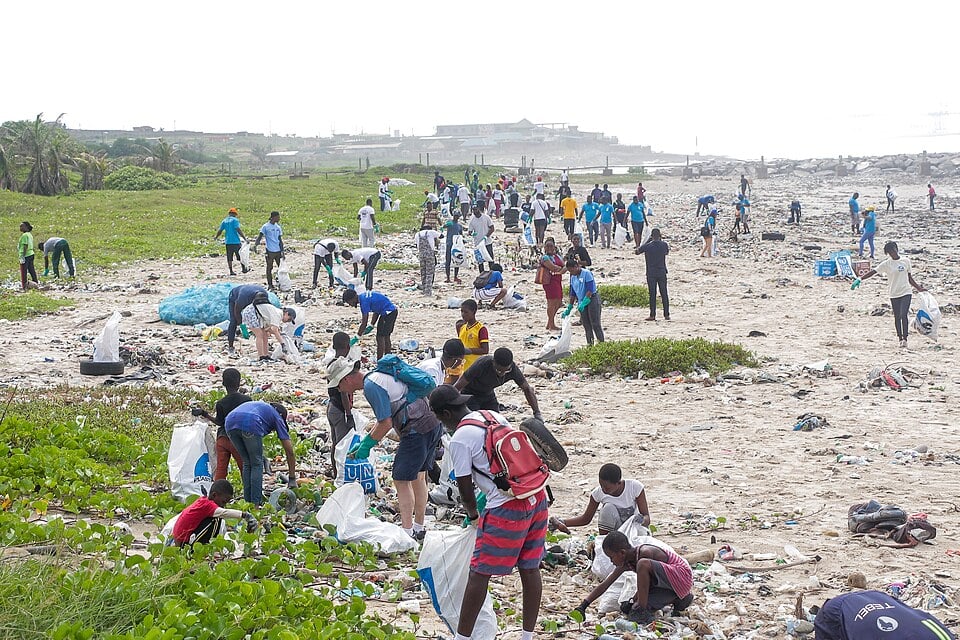
Nairobi faces an ongoing challenge in managing the waste produced by its growing population. According to UN-Habitat, the Kenyan capital generates approximately 3,085 metric tons of municipal solid waste each day. About 65% is collected, while only 15% is recovered, leaving much of the remainder to end up in open dumpsites. One Kenyan company is finding a productive use for some of that discarded material by turning plastic waste into paving blocks. Plastic roads in Kenya offer an example of how local innovation can address pollution while creating employment and providing alternative construction materials.
Turning Plastic Waste Into Pavement
Nairobi-based Gjenge Makers collects discarded plastic and processes it into construction materials. Founded by Kenyan materials engineer Nzambi Matee, the social enterprise combines processed plastic waste with sand before molding the mixture into paving blocks and tiles. The company produces several types of pavers, including heavy-duty blocks designed for roads and areas used by heavy machinery.
The approach gives difficult-to-reuse plastics another purpose. Gjenge primarily works with plastics such as high-density polyethylene, low-density polyethylene and polypropylene. According to the company, its pavers provide a strong alternative to conventional concrete paving materials.
The technology has already been used in several paving projects around Nairobi. According to Gjenge Makers, in 2022 the company completed an installation at Kenya’s Ministry of Transport on Jogoo Road that used approximately nine metric tons of recycled plastic to create 564 square meters of paved space. The company also reports that earlier installations at residential developments repurposed several metric tons of plastic.
Creating Jobs Through Recycling
The benefits extend beyond removing plastic from the waste stream. In 2024, Gjenge Makers received an Impact Award at the United Nations SDG Action Awards. The United Nations reported that the enterprise had recycled more than 200 metric tons of plastic and created more than 600 jobs for women and young people while promoting a culture of recycling in Kenya.
This employment component strengthens the connection between recycling and poverty reduction efforts. Waste collection and recycling can provide income opportunities while supplying businesses like Gjenge with the material needed for production. The company’s model turns discarded waste into a product that can be sold and used for infrastructure.
Plastic roads in Kenya therefore represent more than an environmental solution. By connecting waste collection, manufacturing and construction, the process demonstrates how a circular economy can create economic opportunities while reducing the amount of material sent to dumpsites.
Kenya’s Growing Circular Economy
Recent government action could further support recycling efforts. Kenya’s National Environment Management Authority introduced new Extended Producer Responsibility regulations in 2024. The regulations require producers to take responsibility for the post-consumer management of their products. Kenya also introduced regulations aimed specifically at improving the management and recycling of plastic packaging.
These policies complement businesses that find commercial uses for discarded materials. Kenya’s efforts are also part of a larger shift toward circular economies across Africa. In July 2025, the African Union and its partners launched the Continental Circular Economy Action Plan for Africa 2024-2034 in Nairobi. The plan seeks to promote resource efficiency, green growth and inclusive economic development across the continent.
What’s Ahead
Gjenge Makers cannot solve Nairobi’s waste challenges alone. The low share of municipal waste currently recovered shows the scale of the problem. However, the company’s work demonstrates how locally developed technology can turn part of that challenge into an economic resource.
By converting discarded plastic into durable paving materials, creating jobs and supporting a growing recycling economy, plastic roads in Kenya provide one example of how environmental innovation can also support livelihoods. Continued investment in recycling businesses and waste collection could help Kenya build cleaner communities while creating new opportunities for workers and entrepreneurs.
– Ben Jordan
Ben is based in Freiburg im Breisgau, Germany and focuses on Good News, and Technology and Solutions for The Borgen Project.
Photo: Wikimedia Commons
