$25 Million PAHO Health Initiative in Latin America
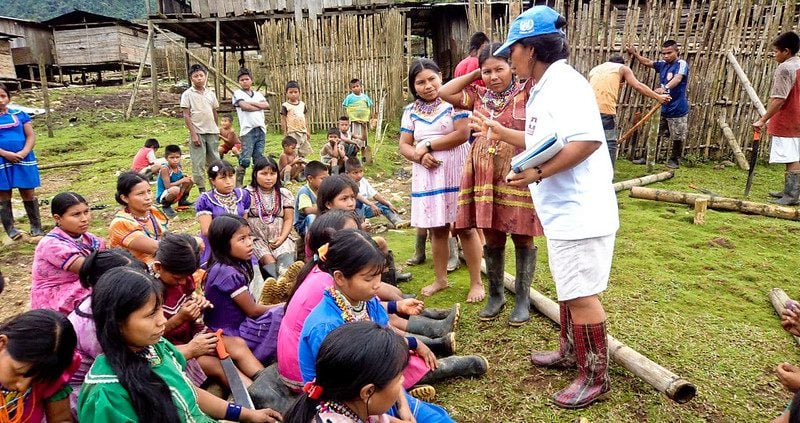 On June 25, 2026, the Pan American Health Organization (PAHO) launched a $25 million health initiative in five Latin American countries. The project will directly benefit more than 1.1 million people in Colombia, El Salvador, Guatemala, Haiti and Honduras, and indirectly reach close to 900,000 more. It aims to expand access to essential health care in communities facing some of the region’s most severe humanitarian pressures. In these nations, poverty and poor health access often reinforce each other.
Why Now
The United Nations (UN) Office for the Coordination of Humanitarian Affairs manages the Regional Humanitarian Pooled Fund for Latin America and the Caribbean (RHPF LAC), which was established in 2024. The fund delivers faster, more flexible funding to one of the world’s most disaster-prone regions. Latin America and the Caribbean face mounting humanitarian pressure: food insecurity and violence have reached record levels, with 27.3 million people in need of assistance in 2025.
In Colombia, armed conflict, extreme weather and migration pressures continue to drive urgent health needs, particularly in areas where non-state armed groups restrict access to essential services. Haiti, Guatemala, Honduras and El Salvador face their own overlapping challenges. These include population displacement, cholera, drought, food insecurity and vector-borne disease outbreaks. PAHO selected the five countries because their health systems face some of the region’s steepest strains, making them priorities for a coordinated response.
Country-by-Country Snapshot
Haiti will receive the largest share of the funding, reflecting the severity of a humanitarian crisis marked by widespread displacement and cholera outbreaks. Poverty compounds the crisis. The World Bank’s most recent national survey from 2012, found 88% of Haitians live below the national poverty line. Given the survey’s age, that figure likely understates current conditions after more than a decade of continued political and economic instability. In Haiti, the initiative aims to maintain access to emergency and essential health care for more than 524,000 people in highly vulnerable situations. This includes support for the cholera response, maternal and neonatal care, mental health services and vaccination campaigns against measles and diphtheria.
In Colombia, where an estimated 37% of the population lives below $8.30 a day, funding will expand health services for communities affected by conflict, violence and climate-related displacement, with a specific focus on hard-to-reach rural and tropical areas. Planned actions include primary care, disease surveillance, nutrition support, mental health services and improved access to safe drinking water.
In Guatemala, Honduras and El Salvador, where implementation began in early June, PAHO is working to restore and strengthen essential health services disrupted by climate shocks, food insecurity and disease outbreaks. Around 50% of Hondurans and 47% of Guatemalans live below $8.30 a day, while roughly 30% of Salvadorans live below their country’s national poverty line. These figures underscore why sustained health investment in these communities matters. Response efforts include mobile health brigades, vaccination campaigns, rehabilitation of health facilities and improvements to water and sanitation systems, alongside targeted disease prevention work. In Guatemala, the project will prioritize communities affected by drought and crop losses, while in El Salvador, funding will concentrate on vector-borne diseases and climate-related emergencies.
The Capacity-Building Angle
PAHO structured the health initiative in Latin America to build lasting capacity, not just deliver short-term relief. Alongside emergency response, its projects include strengthening epidemiological surveillance, expanding maternal, child and mental health services, also improving water, sanitation and hygiene systems in all five countries. These investments will help local health systems detect and respond to future outbreaks and climate emergencies on their own, reducing long-term dependence on humanitarian aid. The initiative pairs immediate care with system-level improvements. This approach aims to leave communities more resilient and better equipped to protect their own health and economic stability long after the current funding cycle ends, offering a model for how emergency response and lasting development can work together.
– Gonzalo Rodriguez
Gonzalo is based in London, UK and focuses on Global Health for The Borgen Project.
Photo: Flickr
