mRNA TB Vaccine Research Moves Into Human Trials
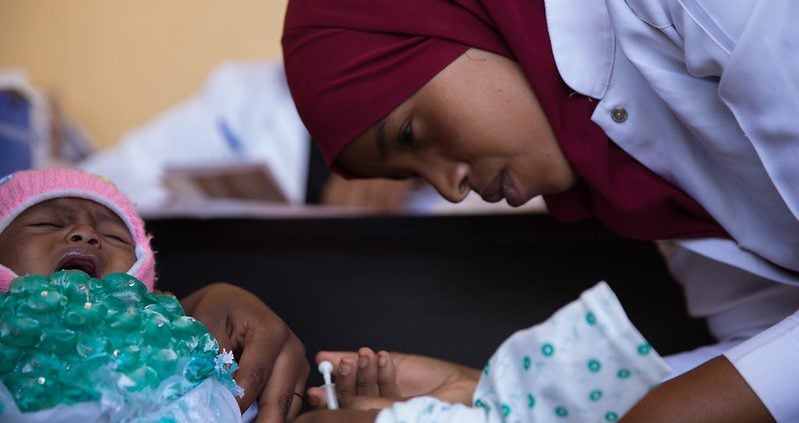 In 2019, years before most people had heard of the term “mRNA vaccine,” the German biotech company BioNTech signed an agreement with the Bill and Melinda Gates Foundation to build one anyway, not for COVID-19, but for tuberculosis (TB). The world’s deadliest infectious disease had gone unanswered by a new vaccine for a century. Six years and one global pandemic later, that early bet is now sitting in active human trials.
A Killer with No New Answer
TB caused 1.23 million deaths in 2024 alone, making it the world’s most lethal infectious disease. The only approved vaccine, BCG, was introduced more than 100 years ago. It offers meaningful protection to young children but offers limited protection against pulmonary TB in adolescents and adults, the group responsible for much of today’s transmission.
The disease is also not evenly distributed. The 30 highest-burden countries are low- and middle-income countries and account for about 87% of global TB incidence. More than half of TB-affected households in low- and middle-income countries face costs exceeding 20% of annual household income, a threshold the World Health Organization classifies as catastrophic.
Patients can also lose work and income to the illness, and researchers in Malawi found that a year after completing treatment, TB survivors were less likely to be employed and were earning less than before they fell ill, while poverty among them had risen, a cycle that an effective vaccine could help break.
The Bet BioNTech Made Before COVID-19
BioNTech’s mRNA TB vaccine did not start as a pandemic side project. It began in September 2019, when the company signed an initial $55 million equity investment from the Gates Foundation to develop mRNA-based vaccines against TB and HIV. BioNTech CEO Ugur Sahin said at the time that targeting severe infectious diseases such as TB and HIV fit the company’s broader mission to apply its immunotherapy capabilities beyond cancer, into other areas of high medical need.
Four years later, in April 2023, BioNTech advanced BNT164a1 and BNT164b1 into clinical testing. The first study was Phase Ia, followed by a Phase Ib/IIa study in adults. By 2026, recruitment for the Phase Ib/IIa study had been completed.
A Second Vaccine Reaches a Major Milestone
BioNTech is not alone in the race. On July 16, 2026, the nonprofit IAVI and Spanish biopharmaceutical company Biofabri announced their own TB vaccine candidate, MTBVAC, had reached full enrollment in its Phase 2b trial, also known as IMAGINE. The trial recruited 5,500 adolescents and adults with latent TB infection across 16 research centers in South Africa, Kenya and Tanzania.
Keertan Dheda, principal investigator for the IMAGINE trial and professor of respiratory medicine at the University of Cape Town, said TB remains the leading infectious disease killer worldwide and a major global cause of chronic lung damage and disability.
Earlier results from MTBVAC’s preceding Phase 1b/2a trial, published in The Lancet Global Health in April 2025, showed the vaccine had a safety profile comparable to BCG and triggered immune responses in adults equal to or stronger than a BCG revaccination.
Why Two Different Approaches Matter
MTBVAC and BNT164 work in entirely different ways. MTBVAC is a live-attenuated, single-dose vaccine derived directly from the human TB bacterium, designed for easy use in hard-to-reach areas. BNT164, by contrast, uses the same mRNA platform that powered COVID-19 vaccines, teaching the body to recognize TB proteins without using any live bacteria at all. Running both approaches at once gives researchers two viable opportunities to succeed where BCG alone has fallen short for a century.
A Century-Long Wait, Finally Moving
“A new, efficacious and accessible vaccine against the world’s deadliest infectious disease would be a substantial accomplishment for public health, and IAVI and partners are working to make this a reality,” said Mark Feinberg, IAVI’s CEO and president.
Neither vaccine is approved yet, and TB has defeated promising vaccine candidates before. However, multiple credible candidates are now moving through human trials, including late-stage candidates such as MTBVAC and newer mRNA approaches such as BNT164. The bet BioNTech made back in 2019, long before mRNA vaccines were a household term, is now one of the clearest signs that the century-long search for a better TB vaccine may finally be gaining momentum.
– Naveeshaa Rengasamy
Naveeshaa is based in Lille, France and focuses on Global Health for The Borgen Project.
Photo: Flickr
