Improving Mental Health in Iraq
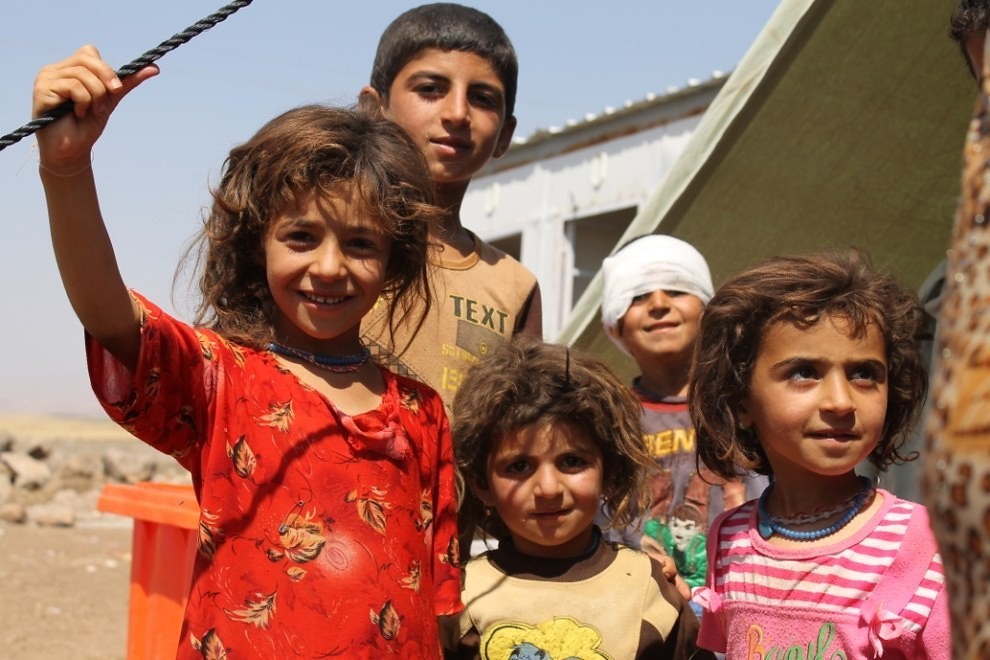
Suicide rates in Iraq are on the rise in 2020, primarily among members of communities struggling to find employment, resources, political peace and aid during the ravage of the COVID-19 pandemic. The Yazidi people, a Kurdish religious minority group, are facing an unprecedented rise in suicide rates as they relive the trauma that the 2014 ISIS raids caused in their hometowns. Here is some information about mental health in Iraq including the relationship between suicide rates, mental health and COVID-19 among the Yazidi people of Iraq.
Who are the Yazidi People?
Yazidi refers to a member of a small, monotheistic, semi-ancient religion based in Northern Iraq, Northern Syria and some parts of Turkey. The Yazidi people have been the target of various religious persecutions since their beginnings, most recently in the 2014 raids by the Islamic State of Iraq and Syria (ISIS.) They tend to live in isolation as they observe a strict philosophy on religious purity, thus driving them away from contact with members outside of their religious community.
Why is Suicide Prevalent in the Yazidi Community?
The majority of suicides among the Yazidi people result from poor living conditions in Internal Displacement Camps in the northern corner of Iraq. Still, the living conditions alone are not to blame. The combination of psychological trauma from ISIS captivity and limited access to basic psychological services, due to the stigma around mental health in Iraq, has unfortunately led many Yazidi people, primarily women, to search for suicide as an answer to their suffering.
How is COVID-19 Impacting Suicide Rates?
With unemployment, depression, isolationism and abuse at all-time highs during the pandemic, people across the world are leaning to harmful actions, such as suicide, as a form of relief.
Dr. Mark Reger, Chief of Psychology Services at the VA Puget Sound Health Care System in Seattle, states that the pandemic, along with civil unrest and economic struggles, produces a “perfect storm” for suicide risk. Among Yazidi people specifically, though, COVID-19 is causing many to relive the nightmares that the ISIS invasions caused. For many, the isolation and fear caused by either the loss of jobs or by social distancing remind them of the sleepless nights they spent in fear of kidnapping, murder or rape by members of ISIS in the 2014 attacks.
The lack of services to treat mental health in Iraq may have influenced suicide risk among the Yazidi people. There are currently only 80 active psychologists in Iraq and Iraqi Kurdistan, while 70% of Iraqi citizens who self-report mental distress have suicidal thoughts. Despite this data being about a decade old, one can surmise that mental health in Iraq worsened over the last decade although researchers have had a difficult time updating statistics due to political restrictions.
Solutions
The following organizations are positively impacting mental health in Iraq and Yazidi communities through raising awareness, providing treatment traditionally unavailable to the community and offering financial assistance for intervention.
- Dak Organization for Women Development: The Dak Organization for Women Development assists in raising awareness for issues plaguing Yazidi women and girls. For example, it has initiated the 16 Days Against Violence Against Women event, which involves the holding of meetings, workshops and community-based groups to open up the conversation and discuss ways to implement change. This organization also offers psychological support for the Yazidi communities by providing support groups including ones specifically for women.
- Back to Life: Back to Life provides rehabilitation and treatment centers for Yazidi women and girls struggling with PTSD or other mental issues due to the actions of ISIS. In 2019 alone, it has helped more than 597 young adults or children receive psychological support and brought empowerment to more than 1,270 Yazidi women through sewing workshops.
Attention to mental health in Iraq is necessary considering the country’s recent challenges and the COVID-19 pandemic. Hopefully, through continued support, mental health among Yazidi communities will improve.
– Johnnie Walton
Photo: Flickr
