How the World Bank is Helping Grow Laos’ Economy
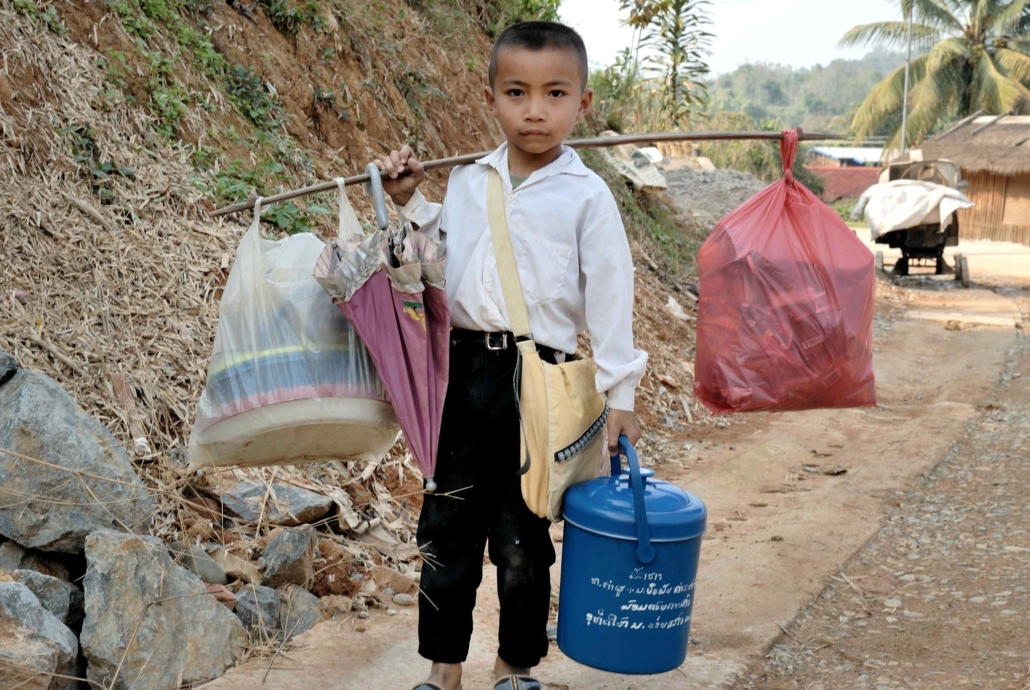
The Southeast Asian nation of Laos has a heavily agricultural economy with substantial income from tourism, logging and other natural resources. Although poverty has been reducing across Laos, the distribution of incoming wealth has been unequal. Laos’ beautiful and resource-rich forests are key to building economic strength and sustainable development.
In January 2021, the World Bank approved $57.37 million for the Lao Landscapes and Livelihoods project. This project will involve forest management guidance, small business training, Laotian forest management agencies, villages and small business owners to create plans for forest conservation and economic growth.
Tourism
Laos’ economy relies on its beautiful forest landscapes to draw in tourists. The majority of tourists who come to Laos are from neighboring countries in Southeast Asia, but half of the income from tourism comes from distant international travelers.
Though tourism in Laos is on an upward trend, it could improve with better infrastructure, staffing and management of tourism-based businesses. The Lao Landscapes and Livelihoods project includes training for small business owners and those in the tourism industry to improve their business strategies and bring in more income.
Forestry
Laotians use natural resources both for industry and for sustenance, with forestry as their second-largest economic sector, primarily exporting lumber to Vietnam. Unfortunately, loopholes and poor landscape management allow the government to approve many unsustainable logging projects.
Laos’ landscape offers opportunities for growing more high-quality timber to increase logging income without the destruction of forests. The World Bank plans to collaborate with forest management agencies and businesses to incentivize and incorporate more sustainable business practices that will boost Laos’ economy.
Sustainability
In addition to food, tourism and logging, the forests of Laos also protect villages from floods and soil erosion. The Lao Landscapes and Livelihoods project includes funding for experts to work with forest management agencies to develop more effective wildlife protection policy, as well as funding for forest-friendly infrastructure and livelihood training within targeted villages. World Bank officials will encourage village members to engage in sustainable projects such as weaving, fishponds, home gardens, bamboo production and black chicken raising.
Impact
The World Bank will directly support 600 Laotian villages with 400,000 residents living in targeted protected areas. The programs will go toward addressing gender inequality including the pay gap, focusing livelihood training towards women and with earmarked funding for the most vulnerable community members including the poor and ethnic minorities.
The goal of the Lao Landscapes and Livelihoods project is to protect the natural landscape that benefits all Laotians and reduce income inequality by providing improved economic opportunities for small business owners and impoverished residents. Focusing on the most vulnerable villagers will improve livelihood opportunities for low-income areas. With better tourism management, high-quality timber growing, sustainable forest policy and improved village infrastructure, Laos’ economy can grow and better serve the entire population.
– Elise Brehob
Photo: Flickr
