Handling Inflation in Uganda
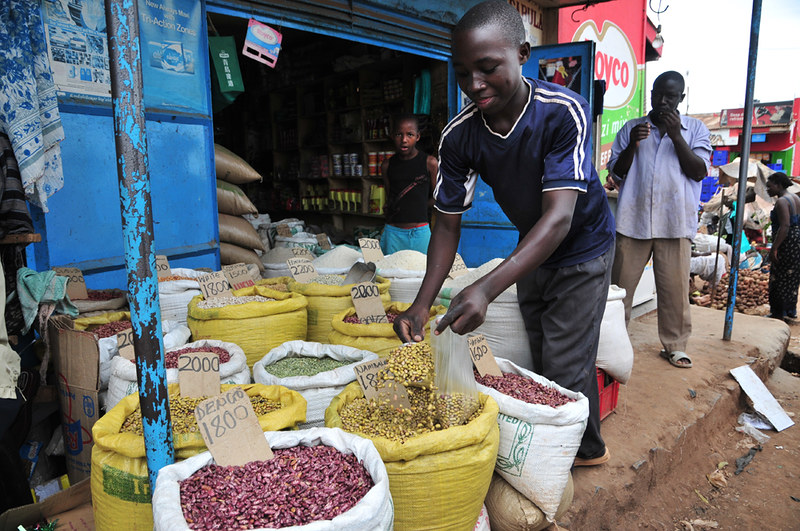
Uganda is in a state of having to combat inflation and rising prices for its citizens as global events, such as the COVID-19 pandemic and the Russia-Ukraine war, continue to interrupt normal streams of trade and supply. As a result, Uganda’s government has already begun implementing actions and constructing a broad policy that seeks to help keep the negative effects of inflation from causing more economic instability in the future.
The Current Impact of Inflation
Uganda is a country that is heavily reliant on crude and other imported material in order to make necessities such as cooking oil and soap. The cost of gasoline went up by 32% by February 2022 and soap went up to 57% at the same time.
As a result of this influx of prices, the Ugandan monetary policy committee increased the interest rate benchmark from 6.5% to 7.5%. This is the first time the committee has increased the interest rate benchmark since 2018. This has come at a time when Ugandan citizens already face higher prices and taxes which will remain at the same rate.
Uganda’s leaders are taking these steps in hopes of counteracting the risks of further global complications. Whether it be recurring waves of COVID-19, the impact of the Russian invasion of Ukraine or rising prices, Uganda will continue to look to other methods of revitalizing its economy and keeping up the fight against poverty.
During the first wave of COVID-19 in 2020, poverty rates in Uganda went from 27.5% to 32.7%, with the employment rate going down during the second lockdown in 2021. These complications along with the increased oil and consumer prices could result in slow growth, below 6%, through 2023 and 2024 for the Ugandan economy. All of this highlights the need for more structural economic transformation and how inflation in Uganda will be tackled.
Ongoing Strategies
Though there are many obstacles to the ongoing development of Uganda, there is a myriad of programs, partners and policies that are also working towards a brighter future. According to the World Bank, the primary financial investment that is going into fighting poverty and inflation in Uganda is the International Development Association. It is offering a low service rate of 0.75% on disbursed credit with loan repayments stretched over 38 years. Major projects funded by the IDA in Uganda include The Electric Access Scale-Up Project ($568 million) which improves energy accessibility, Investment for Industrial Transformation and Employment ($200 million) and Additional Financing to Uganda COVID-19 Response and Emergency Preparedness Project ($164.3 million).
The aforementioned projects will seek to improve economic recovery for Uganda amid the COVID-19 pandemic by fortifying its public health and response institutions.
With funding continuing throughout the rest of the fiscal year 2022 through the IDA and government awareness of the issues at hand, there is hope that inflation in Uganda can subside eventually and allow citizens to enjoy the growth of the Ugandan economy. Despite complications due to global conflicts of war, supply interruptions, the COVID-19 pandemic and future uncertainty, there is hope for Uganda to become a prosperous economy by 2040, according to the World Bank.
– Albert Vargas
Photo: Flickr
