The Hanging Library Tackles Child Illiteracy in Nigeria
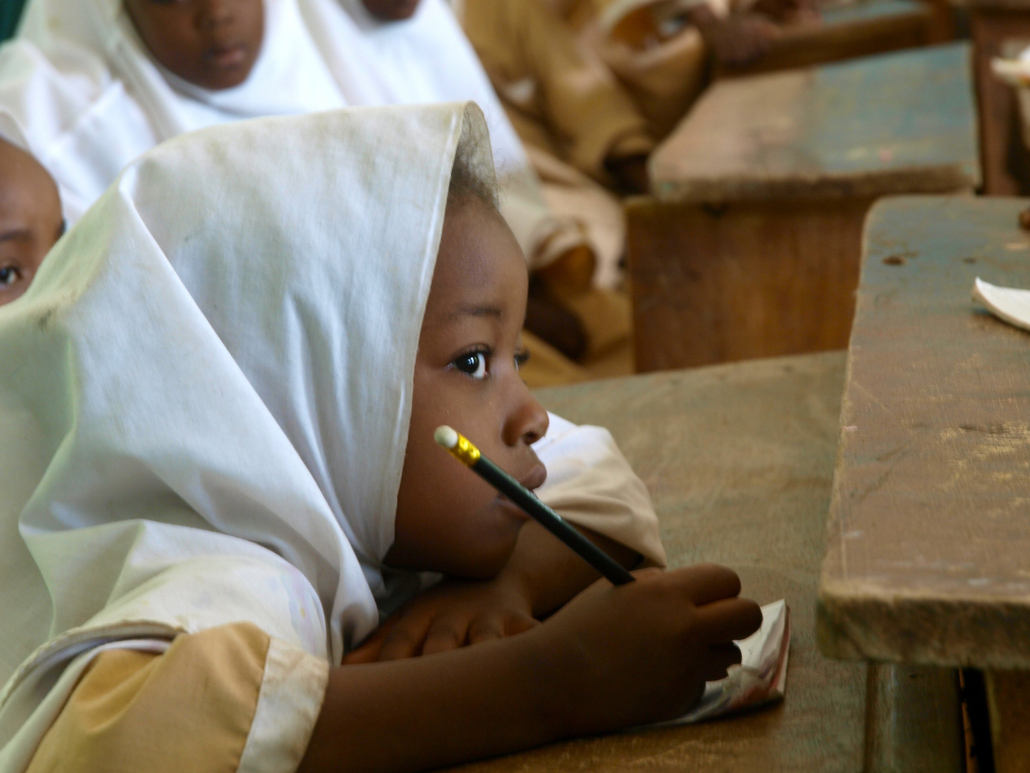
In January 2023, Cristian Munduate, UNICEF Nigeria representative, made a statement highlighting that, in Nigeria, “75% of children aged 7-14 years cannot read a simple sentence or solve a simple math problem.” Education quality, literacy and school attendance is one of the ongoing struggles in Nigeria, preventing many young children from acquiring the necessary knowledge and skills to find employment and lift themselves out of poverty. While primary education is officially free and mandatory for children, the reality vastly differs. Only 61% of children under 11 regularly attend school at the primary level, and in the northern states of Nigeria, the general net school attendance rate is just 53%. Due to low literacy rates in the country, efforts are underway to improve illiteracy in Nigeria.
About Illiteracy in Nigeria
There are a variety of factors that prevent children from receiving quality education. For instance, in the northern states where the education is predominantly Qur’anic, religious educators do not teach foundational literacy and numeracy skills. Additionally, cultural/societal norms discourage girls’ formal education. In addition, in states such as Borno, Yobe and Adamawa, which are experiencing conflict, classrooms have faced destruction and schools remain shut.
At a literacy conference in 2018, Minister of Education Mallam Adamu Adamu highlighted his view that illiteracy in Nigeria is responsible for “rising incidence of drug abuse, juvenile delinquency, examination malpractice, cultism, armed robbery, human trafficking, kidnapping, communal clashes and terrorism.”
In Nigeria, a literacy gap exists between genders and between urban and rural locations, highlighting the socioeconomic norms that prevent access to quality education from being a universal right for children across the nation. Notably, in 2018, the literacy rate for males in urban areas stood at 86.4% whereas the rate for females in rural areas stood at 35.4%, according to a publication by the Federation of American Women’s Clubs Overseas (FAWCO).
The Hanging Library from the Neo Child Initiative
The Hanging Library, a project started in 2017 by the nonprofit The Neo Child Initiative, is an example of a creative method to facilitate and encourage reading among Nigerian children, helping reduce illiteracy in Nigeria and improve school attendance.
The project entails utilizing unused fabric to create a “handmade library” that looks like a hanging shoe rack nailed to a wall. The rack holds up to 50 books. The materials come from donations from volunteers and a book drive. So far, the initiative has established 50 hanging libraries and provided schools with more than 5,000 books in six states in Nigeria.
The founders of the project understood that, with more than half of the country’s population living on less than $2 per day, there is very little disposable income available for books and educational materials. By increasing children’s access to books, the organization hopes that literacy levels can start to improve across the board and children can gain exposure to a more expansive worldview.
The Benefits of Literacy
Even on a local level, improved literacy and better education quality will have profound effects on the future of Nigerian children. An undeniable necessity for employment, heightened literacy will help youths participate in the global knowledge economy and provide them with the skills to make calculated decisions in their daily life and to lift themselves out of poverty.
Furthermore, encouraging reading and high literacy from a young age will have generational impacts. Children who grow up reading will prioritize education over labor for their own children, creating a positive cycle and also enabling the parents to engage and help their children with schoolwork.
– Eleanor Moseley
Photo: Flickr
