5 Facts About Hunger in Papua New Guinea
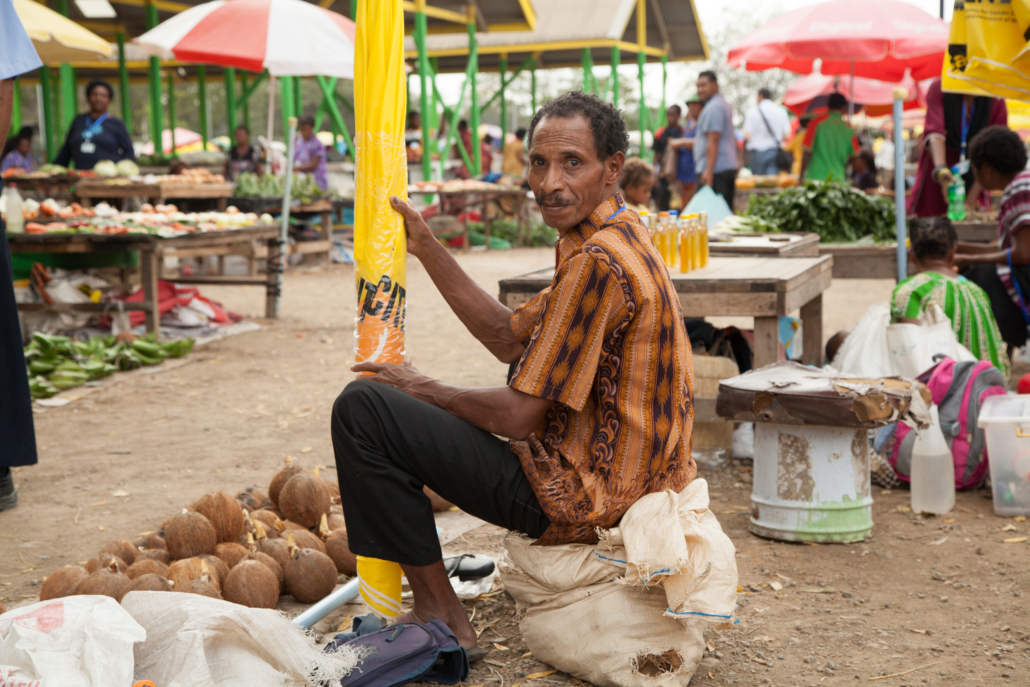
Papua New Guinea is a country in the southwestern Pacific. Often thought of for its beautiful beaches, active volcanoes and coral reefs, Papua New Guinea has an incredibly diverse culture. The country is home to many different tribal groups and is the most linguistically diverse country in the world, with over 800 indigenous languages. However, while the island nation has beautiful scenery and rich culture, hunger continues to be a prevalent issue. Here are five facts about hunger in Papua New Guinea.
5 Facts About Hunger in Papua New Guinea
- Nearly 50% of children in Papua New Guinea are malnourished. As of 2018, almost half of the children in Papua New Guinea suffered from chronic malnutrition. This is much higher than the global average and causes a large percentage of hospital deaths for children under five. Malnutrition can have lasting effects on children, leading to health complications in their adult life.
- Data gathered on food insecurity in Papua New Guinea is scarce. Collecting data on the nourishment of those in Papua New Guinea is difficult and limited data leads to limited reporting and decision-making. Despite knowing that many families living in rural, low-income communities are food insecure, it is challenging to create effective policy changes without accurate statistics.
- Volatile weather causes droughts and increases food insecurity. Papua New Guinea faces unpredictable climate catastrophes, including active volcanos and inconsistent rainfall. Since 2015, Papua New Guinea has been affected by the climate phenomenon El Niño, which caused a disruption in weather patterns and a drastic decrease in rainfall in the region. Reduced rainfall led to issues producing crops and livestock and resulted in a severe drought in the area. Food availability was already low in many regions and the drought led to even more hunger in Papua New Guinea. In addition to contributing to food insecurity, the reduced rainfall decreased access to clean water. As a result, many families turned to alternative water sources that present further health issues, such as dysentery and typhoid.
- Papua New Guinea is committed to achieving a zero-hunger world by 2030. In 2018, the Minister for Agriculture and Livestock in Papua New Guinea, Hon. Benny Allen, committed himself and his country to achieving food security for all of Papua New Guinea. Allen created a strategy that includes placing agricultural issues at the forefront of the country’s focus. He promised to make the people the focus of these initiatives by creating sustainable food systems and improving climate disaster preparedness.
- Papua New Guinea created a National Food Security Policy. The National Food Security Policy 2018-2027 outlines a concrete plan to address food insecurity in the nation. The policy states that food security is a fundamental human right and has five priority strategic action areas. These strategic areas include increased productivity and efficiency in food staple production, stability in supply systems, enhanced nutrient content in foods for consumption by vulnerable households, female empowerment in agriculture, and strengthened governing, coordination, monitoring and communication.
While hunger in Papua New Guinea is faced by many in the island nation, the country is moving toward a more sustainable and equitable future. Through the National Food Security Policy and commitment to zero hunger, Papua New Guinea aims to ensure every citizen has access to food.
– Jazmin Johnson
Photo: Flickr
Updated: January 29, 2024
