From Farm to Fork: Food Waste In Hong Kong
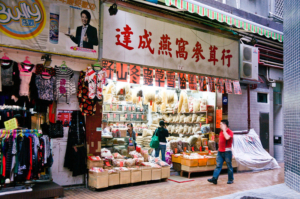 Hong Kong, a metropolis located on the southern tip of China, is teeming with life. Through various nightlife activities, a large gastronomy industry and vast historical temples, it has attracted many visitors throughout the years. Despite the many job opportunities presented through the tourism industry, difficulties are posed for many by the cost of living there. Over 1.6 million Hong Kongers live in poverty and cannot afford three meals a day. Yet, 3,400 tons of food goes to waste every day. Food waste in Hong Kong makes up around 30% of waste in landfills. Food industries such as markets, restaurants and hotels contribute to 32% of Hong Kong’s food waste issue. To combat this issue, organizations are recycling food waste into hearty meals for those in need.
Turning Excess Into Essentials
- Feeding Hong Kong — Started in 2009 as an organization that collects excess stock from local bakeries and distributes them to local crisis shelters, the organization quickly expanded its operations to become an official food bank in 2011. Located in Yau Tong, Feeding Hong Kong works with about 170 companies ranging from restaurants to airlines a year to redistribute excess stock to local NGOs such as crisis shelters, after-school programs and senior centers. With a vast volunteer network, about 250,000 meals are supported monthly. Beyond on-the-ground efforts, Feeding Hong Kong works to educate communities through online modules curated for teachers and students to learn about the problems of and solutions to fight against food waste.
- MORE GOOD — Beginning in a Michelin-star kitchen, MORE GOOD focuses on creating high-quality meals with fresh, leftover ingredients to support and nourish those in need. Now branched out to Chai Wan, Michelin Chef Augustin Balbi gathers both volunteers and professional chefs in his restaurant, Ando, on a monthly basis to create meal boxes in partnership with MORE GOOD. Beyond the meal box initiative, the organization hosts six-hand dinner events (dinners with three chefs) to raise money to fight hunger in Hong Kong. In 2023, they are hoping to serve more than 250 individuals ranging from the elderly to refugees, organize meal distributions with local charities and donate more than 37,000 boxes.
- Food Angel — Launched in 2011 by Bo Charity Foundation, Food Angel creates hot meal boxes and food packs to distribute to poverty-stricken communities. At three collection locations across Hong Kong, the food bank accepts all sorts of donations from baked goods to frozen foods to packaged goods. Food Angel works with hotels and other hospitality locations to cook 56,000 hot meals and food packs a week. Its main focus is on the senior community. By opening school cafeterias during off hours to provide meals and delivering to senior living centers, Food Angel finds various, innovative ways to circulate food to those in need. For instance, it started the Automated Food Dispenser Services and the Self-Serve Meal Hub. Both creations are vending machines located around the city filled with easy-to-cook meals in hopes of alleviating the financial burdens of those heavily impacted by the pandemic. The difference between the two, however, is that the Self-Serve Meal Hub is a 24/7 service with meals meeting all sorts of dietary restrictions — the first of its kind.
- Foodlink Foundation — Similar to Food Angel, Foodlink Foundation acts as a bridge between food donors and those in need of food. Through its five main programs — Hot Foods, Bread, Banquet and Trimmings — Foodlink focuses on converting excess foods into hearty meals. For their Hot Foodhttps://www.flickr.com/photos/man_ng2000/35999740685/ s program, the organization collects ready-made meals and sends them to a cafeteria location where they are heated up to serve to those in need. Both their Bread and Banquet programs collect excess foods from banquet halls, buffets and bakeries to be donated to local charities. Finally, their new program, Trimmings, collects leftover raw ingredient trimmings and scraps from hotel kitchens to contribute to their Hot Foods services.
The Power of Redistribution
Despite these efforts, one challenge remains in reducing food waste in Hong Kong: households. In Hong Kong, households contribute to 68% of food waste. Hence, in 2021, the government started both the Waste Blueprint for Hong Kong 2035 and the Waste Charging Scheme. The Waste Blueprint calls for intense reform and work on waste reduction, waste separation, education, resource circulation, innovation and industry support with goals to reduce waste, have zero landfills and circulate resources properly by 2035. The Waste Charging Scheme is a law establishing that households be charged for the amount of waste being thrown out. Since the law was implemented, food waste in Hong Kong has been reduced by about 50%, and food redistribution has increased to 55%.
Food waste in Hong Kong — and across the globe — is a serious issue. About 21% of Hong Kongers live below the poverty line with 45% of the elderly being affected and one in four children living without proper nutrition. Globally, around 1 billion people go hungry a year, but a third of the food produced — 931 tons — goes to waste. Food is thrown out at every level of the supply chain from farm to fork. That lost third could feed 3 billion people worldwide. Hunger is the number one risk to human health globally. Without a proper meal or nutrition, a person is more susceptible to disease, sickness and poor living conditions. Hong Kong’s efforts in reducing food waste demonstrate the power of redistribution, and that all foods, no matter the stage, can aid in resolving hunger.
– Kenzie Nguyen
Photo: Flickr
