4 Facts About India’s Floating Solar Projects
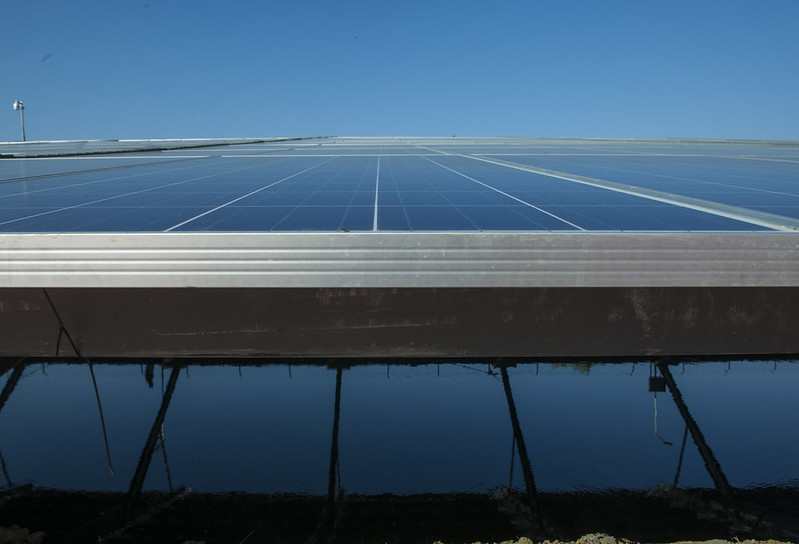 India is the world’s third-largest energy consumer, and after China and the U.S., it is the third-largest producer of greenhouse gas emissions. To move away from fossil fuels, India pledged to achieve net zero emissions by 2070 at the 2021 United Nations Framework Convention on Climate Change. India has established several floating solar projects alongside the nation’s largest energy conglomerate, National Thermal Power Corporation (NTPC). Floating solar, also known as floating photovoltaics (FPV), are solar panels attached to platforms that float on bodies of water. India’s floating solar projects use advanced technology to help the country transition to renewable energy.
Floating Solar Projects in India
- Saves Space on Land – In April 2023, India passed China to become the most populous country in the world, with 1.43 billion citizens. In 2020, the World Bank estimated that India’s population density was 1,217 people per square mile, 13 times the population density of the United States. Placing solar panels on bodies of water provides the nation with green energy while freeing up land for humanitarian efforts, such as sustainable housing.
- Creates Cutting-Edge Technology – The NTPC’s Ramagundam facility is the largest floating solar project in the country. It spans over 500 acres and divides into 40 blocks, with each block housing 11,200 solar panels. The panels float on platforms made from a lightweight and durable High Density Polyethylene (HDPE) material, with special High Modulus Polyethylene (HMPE) ropes securing the platforms to dead weights in the water. This project is also innovative in the way electrical equipment, such as inverters and transformers, float on platforms rather than operate on land.
- Prevents Water Evaporation – India’s floating solar panels cover large bodies of water. By sitting on the surface, the platforms protect the water below from receiving direct sunlight. These projects reduce the rate of water evaporation and therefore aid in water conservation efforts. The government estimates floating solar can save 3.25 million cubic meters of water annually. In turn, the water regulates the platform’s temperature and improves the solar panel’s efficiency.
- Generates Energy for Public Service Institutions – According to the India Brand Equity Foundation (IBEF), 40% of India’s power will come from renewable energy sources by 2030. Solar energy is the second largest power resource after coal, making up 14% of all power in India. Communities with unreliable access to traditional grid power rely on solar power projects to provide sustainable energy. These projects benefit schools, hostels, police stations and other public service institutions in rural areas.
Final Thoughts
While India is a leader in energy consumption, they are also a leader in renewable energy. Each year, they fund projects that support innovations in clean energy, such as FPVs. According to the IBEF, “Since 2016, India’s solar power installed capacity has been increasing rapidly, with the country almost doubling its capacity every year.” India’s floating solar panels are just one example of how the country plans to meet its goal of net zero emissions by 2070.
– Diana Grant
Photo: Flickr
