2 Organizations Fighting Poverty in the Philippines
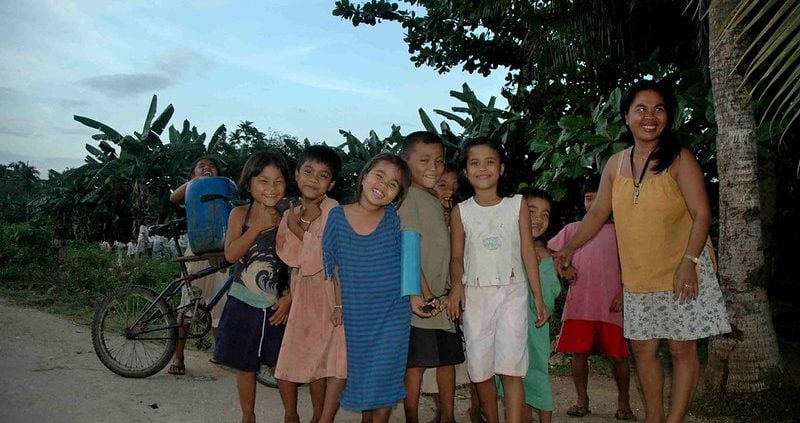 In the Philippines, in the heart of Tondo, Manila, The GUIDON reports that roughly 12,000 people live in a community surrounded by garbage. This community, Barangay 105, better known as Happyland, is often described as one of Manila’s poorest informal settlements. Homes are built close together, many using makeshift materials, while piles of waste surround the neighborhood.
Origin of Happyland
Happyland’s name comes from “Hapilan,” a word from a local Visayan dialect meaning “smelly trash.” The name reflects the community’s history: families settled around a dumpsite as they came to Tondo looking for work or after being displaced from other communities. For many, the city offered the possibility of employment but not necessarily affordable housing or reliable access to basic services.
Tondo is Manila’s largest district by population, with 654,220 residents in the 2020 census. Across Tondo, informal communities have grown alongside the city’s economic activity, while residents continue to face inadequate water access, sanitation, waste disposal and housing.
Poverty in the Philippines
Poverty in the Philippines fell to its lowest level in 2025. About 1.9 million families, or 6.4% of all families in the country, did not earn enough to afford their basic food and other needs. This was the first time the family poverty rate fell below 10%. The decrease was partly because people’s incomes increased faster than the cost of basic needs. Between 2023 and 2025, the average income per person increased by 22%, while the amount of money needed to cover basic needs increased by 5.5%.
While the numbers show real progress, millions of Filipinos still struggle to afford basic necessities, indicating that poverty in the Philippines remains a serious problem. In 2025, about 11.08 million Filipinos, or 9.7% of the population, lived below the national poverty threshold.
Factors Contributing to Poverty
Several factors make it difficult for people to escape poverty in the Philippines. Limited access to education can leave people without the skills needed to qualify for better-paying jobs, keeping them in low-wage or unstable work.
Limited access to healthcare can make the situation even harder. When people cannot afford medical care, an illness can prevent them from working and create additional expenses for their families. Furthermore, unequal distribution of wealth and resources also contributes to poverty, as economic opportunities and resources are not shared equally across the population. Additionally, corruption can weaken efforts to reduce poverty in the Philippines when public funds intended for services such as education, healthcare and housing are misused or poorly managed.
Despite these challenges, organizations work to create more opportunities for families in Happyland and improve their living conditions. Among them are Project PEARLS and odoVita.
Project PEARLS
Project PEARLS is a nonprofit that helps children and families living in poverty in the Philippines. Melissa Villa and her family started it in 2010 after Villa learned about families living and working in Ulingan, a community where people were exposed to toxic smoke from charcoal production.
In Tondo, since 2013 the organization has provided meals, learning activities and scholarships to families in the community. PEARLS has also helped move families from Ulingan to a safer community in Bulacan. Today, the organization serves thousands of meals each week and helps children stay in school and have more opportunities for their future.
Project PEARLS focuses on these main programs:
- Education & Literacy: The organization provides scholarships to students. It provides school supplies, transportation money, food, project materials, tutoring and other support that can make it easier for children to stay in school. The program has grown from its first group of 40 preschool students in 2010 to more than 700 students from preschool through college.
- Healthcare and Nutrition: Its Hunger Relief Program serves more than 9,000 meals each week across three communities, including Tondo. The organization also runs a free health clinic in Tondo that provides medicines, vitamins and other medical support.
- Empowerment through Skills Development: PEARLS focuses on helping children, young people and women gain practical skills that can give them more opportunities in the future. The organization holds workshops, training sessions, mentoring programs and educational trips where children and young people can learn outside of the traditional classroom. For women, its G.R.O.W. (Giving Resources and Opportunities to Women) program provides training in skills that can help them find work or start small sources of income.
odoVita
odoVita is a nonprofit organization working to improve health and access to medical care in underserved communities, including Happyland. Some of odoVita’s work in Tondo includes:
- Care for pregnant women: odoVita provides health services during pregnancy and after childbirth, helping mothers identify and address health problems that could affect them or their babies.
- Healthcare for children: The organization helps prevent and treat common childhood illnesses while providing guidance on nutrition, feeding and malnutrition.
- Treatment for chronic illnesses: Residents can receive support for conditions such as diabetes, high blood pressure, asthma and other long-term illnesses, with an emphasis on early detection and ongoing care.
- Adolescent health: The organization provides teenagers with health information and services, including support around preventing unwanted pregnancies and making informed decisions about their health.
The organization has also opened a clinic in Barangay 105 to bring care closer to families in the community.
Conclusion
Together, these organizations help families address both their immediate needs, such as food and medicine, and the longer-term challenges that can make it difficult to escape poverty in the Philippines, including limited access to education, employment and other resources. Their work shows that breaking the cycle of poverty is possible when families have access to the support and opportunities they need to build more secure futures.
– Daniela Escobar
Daniela is based in Huntington, NY, USA and focuses on Good News for The Borgen Project.
Photo: Flickr
