Improving Farming Methods in Central America
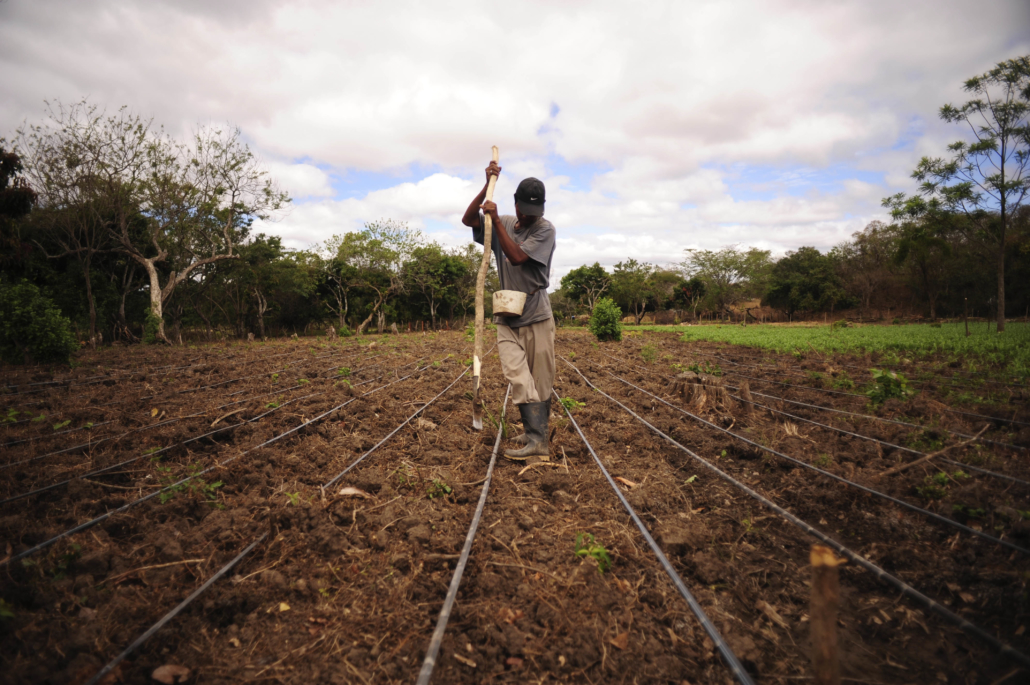
Many Central American countries suffer from droughts and forest fires due to hot temperatures and inconsistent rainfall. Without adequate water, agricultural workers are unable to consistently produce adequate goods each year. They are often forced to rely on crops that don’t need as much water but are less nutrient-rich, such as corn.
Planting crops during the dry season, between December and April, is extremely difficult and even the rainy season between May and July presents a challenge, given inconsistent rainfall patterns. In addition, staple crops like corn do not yield the profits of higher-value crops such as squash, beans, zucchini and watermelon, which not only increase income and quality of life in the region but also improve the diets of farmers, families and locals. Fortunately, a number of local and international organizations are implementing programs aimed at improving farming methods in Central America.
USAID
The United States Agency for International Development (USAID) has been combating unreliable, inconsistent weather patterns via a Honduras-based rainwater harvest program, aptly named Harvest. This consists of a reservoir that gathers rainfall in the winter, providing farmers with a backup water supply during dry months. Crops are watered through a low-pressure drip irrigation system, enabling farmers to plant and harvest three times a year instead of only once.
As a result, farmers have been able to grow and expand their repertoire of crops. Many other organizations have been involved in this initiative, including Development Innovation Ventures, Global Communities, SAG (Secretaría de Agricultura y Ganadería) and local governments.
AGRI
AGRI is a similar Honduras-based project under development that utilizes small drip irrigation systems spanning roughly 10 hectares. It works by locating surface-water sources that can be used for rainwater harvesting and uses water pipes to share water sources between various groups of farmers.
AGRI is also generating deforestation analyses using its terrain Digital Elevation Model (DEM) and other spatial analysis frameworks that analyze drainage basins and upstream areas. Its remote sensors can collect and predict weather patterns while enabling digital soil mapping and hydrologic analysis to estimate water runoff and water balance.
While AGRI hasn’t been formally introduced to Honduras, invest-H (Investment in Honduras) managers and the government are working to expedite its implementation. AGRI is supported by the U.S. initiative Feed the Future as well as Zamorano University, a Honduran university that is currently researching and refining the field validation of AGRI in preparation for its official launch.
MásRiego
MásRiego, meaning “more irrigation” in Spanish, is a Guatemala-based initiative that works to increase water supplies through drip irrigation, rainwater harvesting, reduced tillage, mulch use and diverse crop rotation. The project team provides training and partnerships to Guatemalan farmers to improve farming methods while offering access to microcredit financing and irrigation equipment. As rainfall patterns become more unpredictable, new methods of farming such as conservation and rainwater harvesting must be introduced. Conservation improves moisture retention, soil structure and soil health, while also reducing weeds, manual watering and preparation time.
MásRiego’s goal is to connect 9,000 rural Guatemalan households through these smarter farming methods. They also plan to use local schools to teach students about these new methods as well as inform them about agricultural job opportunities. As a result of unpredictable rainfall patterns and increased competition, farmers entering the field must be educated on the tools needed for success. MásRiego also focuses on helping women and youth grow high-value crops on smaller plots of land to increase the incomes of Guatemalan farmers and the nation as a whole. The program is supported by the U.S. government’s Feed the Future initiative.
Moving Forward
Using the latest farming methods, these organizations are helping to support Central American farmers’ incomes and improve quality of life. The diets of both the farmers and local communities are already being enriched as improved farming and irrigation methods allow for a broader variety of crops to be planted. The Harvest program has also found that more young people are choosing to remain in their countries as new and improved methods make farming a viable lifestyle.
With the technology that AGRI plans to introduce and the conservation methods that MásRiego is implementing, farming will become less of a financial and physical burden. These organizations and others like them will continue to improve farming methods in Central America, with an eye toward expanding into other arid regions in the future.
– Nyssa Jordan
Photo: Flickr
