The Risks of E-Waste in India
 India is the seventh-largest country by area and the first most populous as of 2023, overtaking China’s long-standing title. India is one of the oldest civilizations in the world – allowing for a wealth of culture and revolutionary ideas to grow and expand into the rest of the world. However, the disposal of e-waste in India is a problem and impacts the most vulnerable. Here is some information about e-waste and what some are doing to address it.
What is E-Waste?
The latest technology, like smartphones, computers and TVs, is increasingly available to people on a global scale. India’s economy continues to grow as millions of people are spilling into the middle class, allowing mobile technology to become a booming market.
However, technology like this does not have the ability to last for extended periods of time. Within a few years, smartphones’ performance decays to an unusable state for consumers, and the pieces end up in the trash. Electronic waste, or e-waste, in India, is not limited to its own people’s waste – the United States sends most of its e-waste to India despite legal restrictions on both exporting and importing such dangerous substances.
The United States generates 6.9 million tons of e-waste every year, of which only around 17% is truly recycled. The UN estimates that 10-40% of the e-waste goes to other countries, with India acting as one of the main exports as buyers aim to harvest the inner materials.
The old electronics are useless to the direct consumer, but internal materials like copper and gold are incredibly valuable and useful resources to those living in poverty. The top 10% of India’s rich are controlling 80% of the nation’s wealth, while 60% of India’s population survives under the World Bank’s median poverty line.
How it Affects India’s People
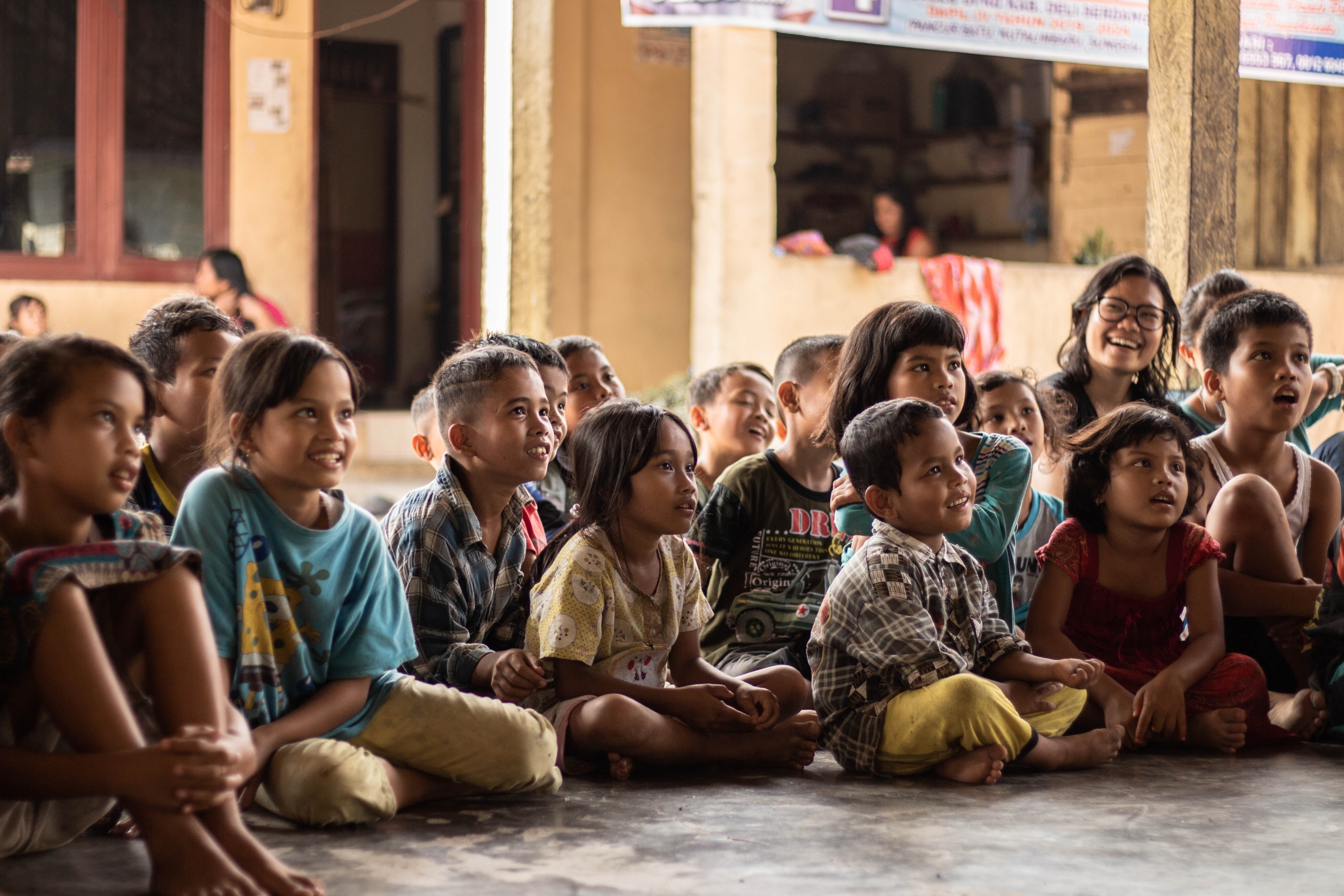
India’s e-waste market is highly unregulated – fostering countless health issues and deaths among pickers. Many of the people sifting through the tons of e-waste in India are children. They spend hours shifting around exposed circuit boards and burning chemicals and metals with no protective gear.
Mercury, lead and arsenic are among a few of the chemicals that harm the lives of thousands of children who must spend 10-hour days harvesting e-waste. Skin diseases, chronic lung infections, cancer and death are all direct health risks of working with such harsh chemical materials.
Environmental enforcement is poor, allowing for e-waste in India to be a persistent and unregulated issue affecting the lives of predominantly poor children. Poverty and education have inextricable links, and instead of school, the children end up working in dangerous conditions to earn a meager income.
Of 250 e-waste workers studied over a 12-month period, almost all of them suffered from severe breathing problems and 10-20 times higher levels of lead, mercury and chromium in their blood and urine samples.
Moving Forward
Though India has made steps to regulate such an uncontrolled, destructive industry, little progress has been effective in mitigating the dangers of the facilities. Workers are still lacking in protective gear and access to health care, and most of the workforce are children who lack community and financial support.
Several NGOs have spent years working to put pressure on the government to enact effective and strictly enforced protection for the children forced into this industry of hazardous waste interaction.
Saahas, for example, is an NGO that began as a waste-management organization that encouraged the safe disposal of waste through education and recycling resources. It has implemented e-waste drop boxes across cities like Delhi and Bangalore and provides education on how to safely dispose of e-waste as a preventative measure against landfills of hazardous waste. One company testimony on their site expresses that Sahaas’ help has reduced their waste from 60% down to 6%, keeping this waste off of the streets and away from the children stuck sifting through waste chemicals.
Increased access to education could help pull these children from the landfills and instead allow them to advance their opportunities for more controlled safety standards. Literacy and education are vital to combating child labor, but in such a poorly restricted and dire situation many of India’s children have no option other than to help their families gain income.
Until the industry can be more globally managed, there needs to be an increase in education on safe disposal with resources like gloves and masks to reduce the risk of exposure to harmful conditions. Harm reduction is vital to protecting the lives of those who have no other choice than to wade through the waste of the world.
– Eden Ambrovich
Photo: Unsplash
