COVID-19’s Impact on Gambia
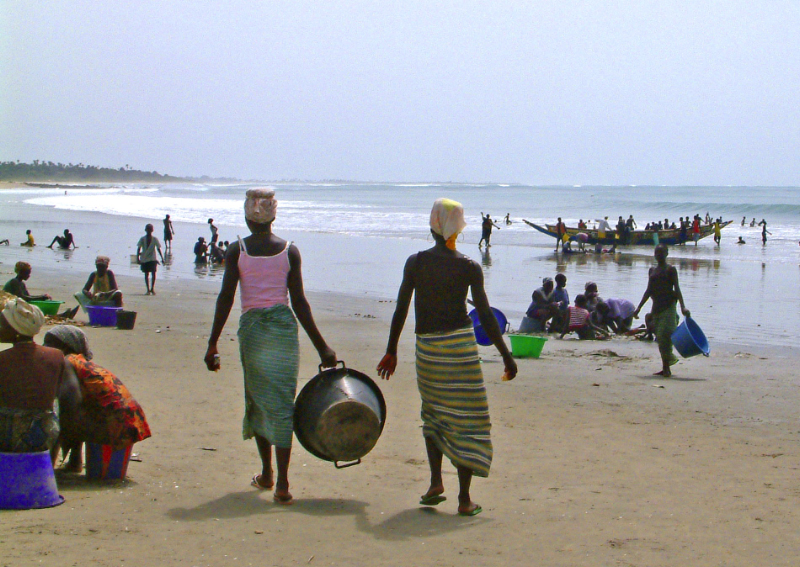
Gambia is currently classified as one of the least developed countries in the world with a GDP per capita of $835 in 2021 and more than 50% of the country’s population living in poverty in 2022, the World Bank reports. The COVID-19 pandemic exacerbated Gambia’s economic and healthcare-related problems, which prompted the International Monetary Fund (IMF) to provide the country with about $21 million worth of Special Drawing Rights emergency funding in 2020 to keep the nation from collapsing. COVID-19’s impact on Gambia is significant, but not irreversible.
Economic Problems
Gambia is the smallest country within mainland Africa and lacks economic diversity because of its heavy reliance upon its agricultural sector, which accounts for 30% of Gambia’s GDP. In Gambia, 70% of the labor force relies upon crops and livestock in order to secure their livelihoods.
Gambia’s economy is also reliant upon its service sector and hospitality industry as its abundant wildlife and attractive coastline make the country a desirable tourist destination. The pandemic severely affected Gambia and exacerbated the country’s economic problems by bringing a halt to industries and putting a strain upon its fragile healthcare system and limited resources. COVID-19’s impact on Gambia is still ongoing as Gambia’s tourism industry is struggling to rebound to pre-pandemic success.
The Impact on Agriculture
COVID-19’s impact on Gambia exposed how sensitive Gambia’s food systems are to external shocks. The pandemic brought to light Gambia’s heavy reliance upon its vulnerable agricultural economy and highlighted a need for more sustainable investments in rural and agricultural development. The transition to a more resilient and environmentally sustainable food system would likely strengthen Gambia’s socioeconomic landscape and protect Gambia against future crises. In 2021, more than 13% of Gambia’s population experienced food insecurity, and currently, more than 10% of the population suffers from acute malnourishment.
The pandemic magnified food insecurity in the nation because Gambia is a net food importer country. As a result, supply chain constraints and rising global food prices hit the country especially hard. COVID-19’s impact on Gambia in 2020 is estimated to have increased poverty in urban areas by about 5% and 92% of households nationwide experienced a loss in total income by August 2020.
Recovery
Gambia is continuing to recover from the impacts of the COVID-19 pandemic. The Russia-Ukraine conflict is expected to affect this recovery by driving up the cost of resources that Gambia imports. Gambia relies on imports for important resources such as fertilizer, food and fuel. As the prices of these resources rise, these imports become more difficult for Gambia to obtain. Despite these challenges, Gambia can potentially achieve economic growth and rebound from the pandemic in the coming years if its leaders adopt new governmental reforms.
Strengthening the Agricultural Sector
In November 2021, Gambia secured $40 million through the World Bank for the Gambia Inclusive and Resilient Agricultural Value Chain Development Project (GIRAV).
The GIRAV project supports Gambia’s national goal of poverty reduction by strengthening food and agricultural production through improved value chain coordination. This process entails a shift from subsistence agriculture to market-oriented agriculture and aims to address constraints in Gambia’s agricultural supply chain. GIRAV is expected to strengthen the livelihoods of about 50,000 farmers. To reduce poverty among the most vulnerable groups, women will account for at least half of the project beneficiaries and Gambia’s youth will account for 30% of beneficiaries.
Through a focus on climate-smart agriculture, the project aims to increase resilience in the agricultural sector. Apart from boosting income generation among Gambians, the project will also reduce food insecurity. GIRAV and future investments of this nature show promise for Gambia and are strategies that set the stage for a country-wide recovery from the effects of COVID-19. Gambia’s government has the potential to improve the welfare of its people and accelerate economic growth by adopting new economic policies and investing in its future.
– Dylan Priday
Photo: Flickr
