Community Projects in Niger: Rebuilding Lives
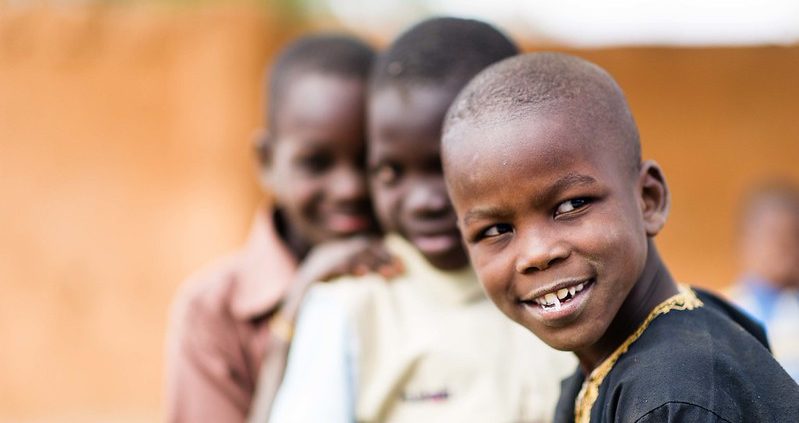 In recent years, Niger has endured both domestic and regional instability that has worsened the dire situation of people living in extreme poverty. Tillabéri is one of Niger’s seven regions this instability has severely affected. However, community projects in Niger have been working to provide a new beginning to those in the Tillabéri region who need it the most.
The Current Situation
Niger is home to approximately 27 million people, yet a large percentage of the population lives in poverty, with 60.5% living on $3 a day. The political instability Niger faces has, in part, driven the extreme poverty many endure. In 2023, members of the presidential guard detained President Mohamed Bazoum. This event has led to inflation, electricity outages and rising food insecurity.
The eastern parts of the country also face terrorism and threats from neighboring Chad and Libya, while the western parts of Niger face cross-border jihadist violence with Burkina Faso and Mali.
The Tillabéri region is located in the west of Niger, where almost 250,000 internally displaced people live. The Global Terrorism Index has described the Sahel region as the “global epicentre of terrorism,” and Tillabéri has become the deadliest part of that region for civilians, highlighting the serious threat such violence poses to the livelihoods of Tillabéri.
Many people here lack reliable access to socioeconomic services, community infrastructure and clean water. This severely impacts women and young girls. Often, they walk for hours to collect unclean water from unsafe and overcrowded areas. This journey results in them missing out on school and employment, creating further challenges within the region. However, various community projects in Niger are seeking to improve daily lives within the Tillabéri region.
PCRSS
One of many community projects in Niger, the World Bank finances this operation, which has already improved the lives of more than 32,000 people through the construction of solar-powered boreholes and distribution points for clean water. Furthermore, labor-intensive works have created employment opportunities for more than 2,000 young people, while more than 75,000 farmers have received agricultural funding aimed at helping them generate a steady source of income.
The PCRSS has provided more than 9,000 households with essential goods and aid during the worst phase of the crisis. The project also supports a women’s agricultural group, where members gain access to seeds, tools and land so they can train and earn money for their families and communities.
Mobile Health Clinics
Another one of the community projects in Niger providing essential support is mobile health clinics that the International Rescue Committee organizes with funding from the European Union. In Filingué, a town in Tillabéri, enduring political instability has left 36% of health centers inaccessible.
The International Rescue Committee (IRC) has deployed two mobile health clinics here and in the neighboring town of Ouallam, each staffed with a doctor, nurse, midwife and a vaccination provider. This community project in Niger aims to provide free and essential health care to those living in rural areas of the Tillabéri region affected by insecurity, with particular attention given to the elderly, women and children, through constant communication with local leaders and health districts.
The project also supports health care centers in Attaloga, Gao and Talcho, districts within Tillabéri, that provide essential care to refugee and displaced populations. While they provide treatments, they also aim to raise awareness about illness management and health topics.
Flooding Response in Niger
In April 2026, Cooperazione Internazionale collaborated with European Humanitarian Aid to install 3,500 meters of rainwater drainage channels in six neighborhoods of the Tillabéri region. This community project in Niger reduced the buildup of waste and protected homes from the risk of flooding. It also strengthened disaster prevention and response and addressed increasing population displacement, while providing 120 workers with temporary employment.
This community project in Niger benefited nearly 32,000 residents directly. It also improved hygiene and sanitation levels in their respective areas while reducing flooding risks for 62,000 people within the urban area.
New Beginnings for the Tillabéri Region
In light of prolonged political and economic instability, these community projects in Niger have brought positive improvements to those in the Tillabéri region. From employment to health care and natural disaster prevention, these projects offer a sense of stability and hope to vulnerable communities, highlighting the impact of investment and community support. Momentum exists to continue funding community projects in Niger, both in the Tillabéri region and across the country.
– Maya Tailor
Maya is based in London, UK and focuses on Global Health and Politics for The Borgen Project.
Photo: Flickr
