Changing Access to Electricity in Uganda
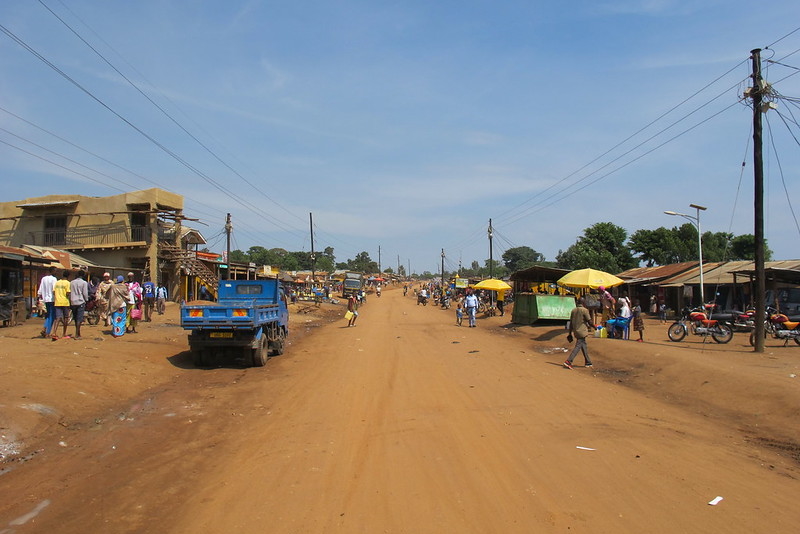 Electricity in Uganda remains a fundamental need many citizens live without due to poor infrastructure and high prices far outside the budget of average Ugandans. Uganda’s president has repeatedly complained about the electricity tariffs and soaring fees from private companies. As a result, the Ugandan government decided not to renew its contracts with Eskom, one of South Africa’s top electricity providers. The government is taking Eskom’s plants over with the Uganda National Electricity Company Limited (UNCEL) to control electricity prices, expand access to electricity and decrease multidimensional poverty in Uganda.
Overall, access to electricity is essential for economic growth. Without it, people are fighting to attain a proper education, access to social services, clean water and countless other necessities for living a life free of poverty. As access to these necessities expands, the quality of life could improve and so could the economic productivity of Uganda where 42.1% of people live in a complex web of multidimensional poverty.
Changing Infrastructure of Electricity in Uganda
Electricity in Uganda does not reach the majority of the population. Currently, around 42% of Uganda’s population has access to electricity, leaving the internet penetration rate at 26.2%. Electricity in Uganda has the opportunity to be innovative because it is typically non-reliant on fossil fuels. Uganda’s energy suppliers use biomass, hydropower and wind power more often than fossil fuels. Two hydropower stations are Uganda’s primary sources of electricity: the Nalubaale Power Station on the White Nile and the Kiira Hydropower station. Both hydropower stations have been under lease by the South African company Eskom since 2003. The lease will end in 2023.
Uganda’s government announced that it does not plan to renew the Eskom lease for the hydropower plants. Instead, it will take control of them through the state-run branch, the Uganda National Electricity Company Limited (UNECL). This decision stems from the incredibly high electricity costs limiting Ugandan’s electricity access.
Power Africa in Uganda
Power Africa is a United States Agency for International Development (USAID) initiative striving to bring electricity to all regions of Africa thereby ending energy poverty and improving well-being. Power Africa in Uganda has already brought significant improvements to Ugandans. To date, Power Africa in Uganda has increased electricity access rates by 63% in urban Uganda and 11% in rural Uganda, creating more than 1.5 million new electricity connections in the African nation.
Notably, Power Africa in Uganda has provided loan guarantees to several of the energy providers in Uganda to build miniature hydropower plants. It has also financially supported projects in Uganda to guarantee the building of full-size hydropower plants to secure funding from organizations such as the African Development Bank.
Implementing Plans
Much of the electricity in Uganda comes from hydropower plants. When drought hit in 2005, there was a severe shortage of electricity available in the years since there has been an incredible surplus and increased electricity generation. The surplus has caused high tariffs, making access to electricity challenging and continuing the limited access to the internet. The tariffs are set by Eskom and are free from government regulation, which is why the Ugandan government is taking control of the hydro plants to have proper access to expanding internet penetration at reasonable prices without tariffs.
The government has implemented many plans to boost electricity penetration rates. Coupled with help from USAID’s Power Africa initiative, the future looks bright for Ugandans.
– Clara Mulvihill
Photo: Flickr
