Black Gold: Film Summary
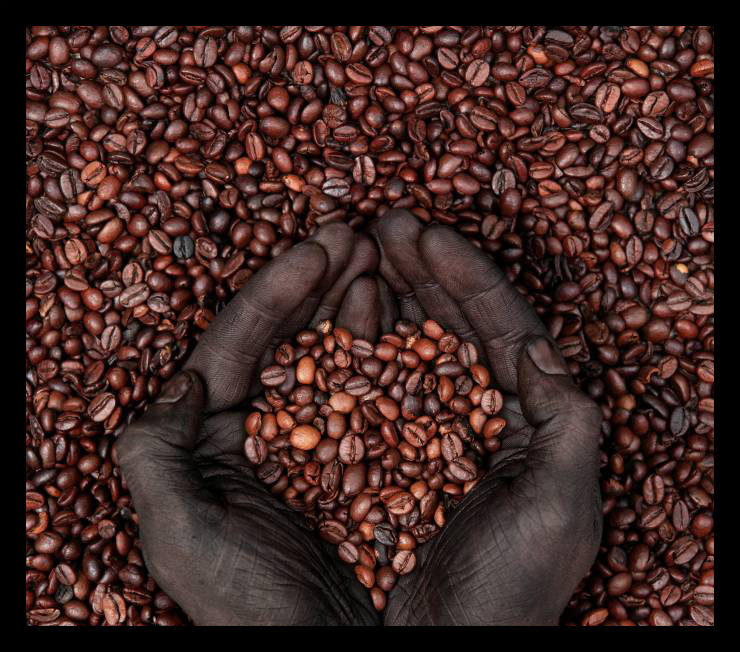
The coffee farmers of Ethiopia are told that their coffee is gold. “If our coffee is gold,” the farmers ask, “then why do we get nothing?” Two billion cups of coffee are consumed every day around the world. Coffee beans are grown in poorer, developing nations and then shipped off to the West for consumption. The price of a cup of coffee is $0.12 in Ethiopia, while a cup in a Western country costs up to $2.90.
Four major multinational corporations dominate the world market: Kraft, Nestle, Proctor & Gamble and Sara Lee. Until 1989, an International Coffee Agreement regulated the supply of coffee on the world market. Now, the international price of coffee is established in the New York and London Stock Exchange, where coffee is the second most actively traded commodity.
Black Gold is a documentary about Ethiopian coffee farmers’ struggle to seek higher prices for their coffee beans. Ethiopia is the largest producer of coffee in Africa, with over 15 million individuals depending upon coffee farming and production for survival. Coffee makes up 67 percent of export revenue in Ethiopia.
Tadesse Meskela manages the Oromia Coffee Farmer’s Co-operative Union, which represents 74,000 coffee farmers. Through their union, they are cutting out the middlemen in the chain of coffee production. Not only do the farmers grow the coffee beans, they also roast the beans themselves.
These farmers and their families depend on the coffee beans to survive. These people are born into coffee-growing families and communities and they have little chance to escape. They are forced to become coffee farmers and to remain stuck in poverty.
The coffee beans create a single production economy, making the economy extremely dependent upon Western companies and consumers. These coffee farmers in Ethiopia do not receive subsidies from their governments. Slight fluctuations in price will greatly affect the local farmers.
There are many various interlinked factors that have created these unequal global trade relations. Many of them have links to colonial and post-colonial relationships. Through social, economic and political policies Western nations have forced developing nations to remain dependent upon them for survival.
In international organizations such as the World Trade Organization (WTO) developing nations are not able to have their voices and problems heard. The WTO sets rules of global trade, but is dominated by the larger, richer developed countries. These negotiations take place behind closed doors and the smaller delegations have been losing.
Consumer awareness of the farmers’ conditions is vital. While large multinational corporations and middlemen are benefiting from coffee production, the farmers themselves get almost nothing. Consumers need to be aware and ask for fair trade products. Fair trade coffee beans are labeled and available at most grocery stores.
In this age of increased globalization, it is important to be aware of how we are impacting the lives of other people, and how we are impacting the planet. When we go to Starbucks, and buy that cup of steaming coffee, we do not see the human lives that have been put into that cup. We do not see the coffee bean farmers praying for the weather to be kind. We do not see the women who pick the coffee beans for less than 50 cents a day. We do not see their children who go hungry. We only see the coffee in our cup and we are satisfied.
– Sarah Yan
Sources: Black Gold Film,The New York Times
Photo: Universal Cargo
