Reading Glasses in Uganda as Global Poverty Intervention
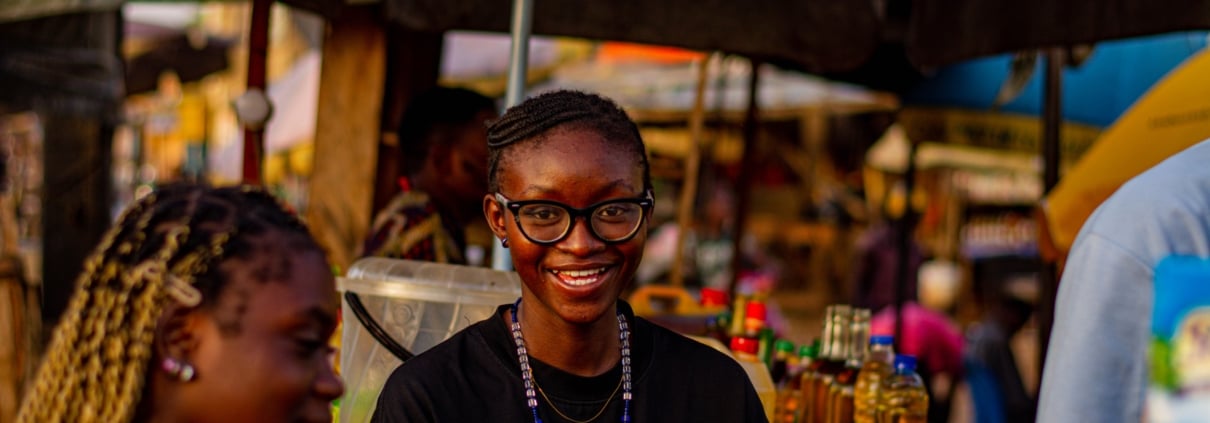 Although they may seem like an unlikely tool, reading glasses have the potential to significantly combat global poverty. This seemingly simple medical device can increase incomes across impoverished communities. According to Evidence Action, presbyopia, or the loss of near vision as one ages, impacts more than 1.8 billion people and is often overlooked as a solution to aiding those in extreme poverty. In Uganda, the distribution of reading glasses demonstrates how these relatively inexpensive items can greatly improve livelihoods.
Impact on Work
Presbyopia makes working very difficult for those who suffer from it. The loss of vision leaves individuals unable to see close objects, which is devastating to many professions.
These individuals often must reduce their hours or leave their occupations entirely, resulting in a severe loss of income. Evidence Action reports a loss of $25 billion in jobs that require strong vision.
This issue disproportionately affects people in low-income countries. In these areas, people lack basic eye care, including exams and glasses. While this lack of resources affects medical care, it also impacts families financially. Donating reading glasses to those suffering from presbyopia in areas stricken with extreme poverty can greatly increase earnings and stimulate the economy. Studies in places like Bangladesh show that workers in jobs requiring good vision increased their income by up to 33%.
Simple Solutions
The process of screening for presbyopia and obtaining reading glasses is simpler than expected. Reading glasses can cost less than $1, and local workers can conduct exams using an eye chart test.
Several groups are partnering with the Ministry of Health to provide reading glasses in Uganda. EYElliance and the Clinton Health Access Initiative are providing 16,000 pairs to the Kaliro district. At the same time, the Ministry of Health is distributing glasses in Eastern Uganda, planning to provide 41,200 reading glasses.
Evidence Action is also participating by distributing 25,000 pairs across two Ugandan districts.
Implementing eye exams and distributing reading glasses adds no extra burden to the country. Instead, these programs integrate into existing structures. Village Health Teams already provide household health visits, so they can easily add these services to those visits. Additionally, program organizers have incorporated screening for reading glasses into community events run by Safe Water Now. This approach addresses multiple problems without extra costs.
If successful, these programs could expand in Eastern Uganda, and other countries facing extreme poverty could potentially adopt them nationwide.
Final Thoughts
In a world where humanitarian budgets are often lower than necessary, reading glasses improve medical care and finances in developing communities in a cost-effective way. The programs in development in Uganda can provide an excellent basis for other countries in similar economic situations to adopt in the future.
– Julia Cholerton
Julia is based in Gig Harbor, WA, USA and focuses on Technology and Solutions for The Borgen Project.
Photo: Pexels
