The Cure: AI in Healthcare in Rwanda
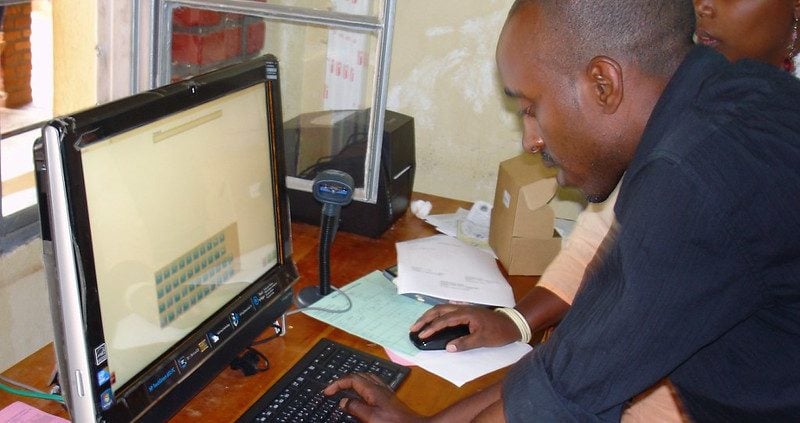 Artificial intelligence (AI) in healthcare in Rwanda is acting as a saving grace. The country recently made its own advancement in healthcare called the Health Intelligence Center. This system works at all levels, from healthcare clinics at the village level to primary healthcare facilities. This AI-powered data bank has assisted in identifying multiple areas of improvement to solve disease outbreaks. While this is significant progress, there is still a need for more.
The Gates Foundation and OpenAI have recently partnered to create Horizon 1000, an artificial intelligence service aimed at reaching 1,000 primary healthcare clinics in rural Africa by 2028. The Gates Foundation points to the unbalanced current healthcare system in sub-Saharan Africa; one healthcare worker per 1,000 people, far from the World Health Organization’s recommendation of four healthcare workers per 1,000 people. This exemplifies an overworked system, and overworked systems rarely flourish. Horizon 1000 aims to alleviate this. Currently, Rwanda’s life expectancy at birth is 67.5. The leading cause of death for both men and women is stroke. Rwanda has a current population (2023) of 13.95 million people, with a projected population of 22.7 million by 2050. This is consistent with a lower-middle-income country.
The Need for More
While these advancements in AI in healthcare in Rwanda have helped patients and workers, there is still a need for improvement. Village-level healthcare or “health posts,” as they are called in Rwanda, serve the communities furthest away from primary healthcare. Outside the scope of Gates’ Horizon 1000, these are necessary parts of a puzzle helping further economic growth.
When only a portion of the population in any given country is receiving healthcare, the entirety of the population is still at risk. This is a significant problem in sub-Saharan Africa. Healthcare facilities are simply too far from villages. Rwanda exemplifies this problem. Until around 2020, the closest healthcare facility would take up to 95 minutes to walk to from a Rwandan village. In 2020, this was reduced by around half, but the walk would still take around 47 minutes for many patients, including elderly people managing conditions like malaria. There is a need for more health posts in villages.
The Current System
Rwanda has made great headway in reducing commute times for healthcare services, although its healthcare system still needs revising. This is where AI in healthcare in Rwanda can do the impossible. Rwanda needs a program that allows all citizens to be educated on health and wellness practices, such as proper water treatment methods, malaria prevention and nutrition.
In 2015, Rwandan officials introduced a new education curriculum called Competence Based Curriculum, one that envelops more skills and knowledge than their old curriculum, based solely on academics. The new curriculum involves criteria like standardization culture. Education officials in Rwanda state standardization culture will play “a vital role in health improvement.” While this is necessary information that could play a vital role in improving health and well-being, the reality of this new curriculum seems to circulate around technological education among other things.
Horizon 1000 has an opportunity to provide this kind of health education to the Rwandan public, but its public materials have not yet addressed this need. The program, announced in January of this year at the Davos Convention, will provide services to healthcare workers that will alleviate the burnout affecting workers in sub-Saharan Africa. There is not a clear start date for this project, nor an abundant amount of information on what the specific missions of the project are.
Looking Ahead
Looking ahead to the future of Rwanda and all of sub-Saharan Africa, it is clear there needs to be more work going into healthcare systems. However, there are some positives. The number of people in Rwanda living below the $3-a-day poverty line has dropped to 38.5% as of 2023. This is the result of collective action. The addition of health posts in rural areas, the Competence Based Curriculum and the recent addition of the Health Intelligence Center have all benefited Rwanda in a way that is making life for Rwandans somewhat easier.
The Health Intelligence Center is a data bank that doctors and researchers in Rwanda can use to help eradicate diseases and stop the spread of harmful viruses. Horizon 1000 has the potential to be helpful in assisting healthcare professionals in using the new AI-powered tools becoming available to them. There needs to be more information available about what the work on the ground will actually look like for Horizon 1000.
Overall, this is great progress, although progress does not equal the final product. The need for more healthcare workers is real and is something that is not being addressed. Sub-Saharan Africa’s need for more health-conscious education is a real necessity, something that Horizon 1000 has the possibility to address. With the long commute to healthcare clinics for a large portion of people in sub-Saharan Africa, mixed with the inadequate number of healthcare professionals, personal health and wellness education becomes extremely important, especially because diseases like malaria are preventable.
– Lily K Gibson
Lily is based in Bristol, CT, USA and focuses on Global Health and Politics for The Borgen Project.
Photo: Flickr
