How Auto-Disable Syringes Make Immunization Safer
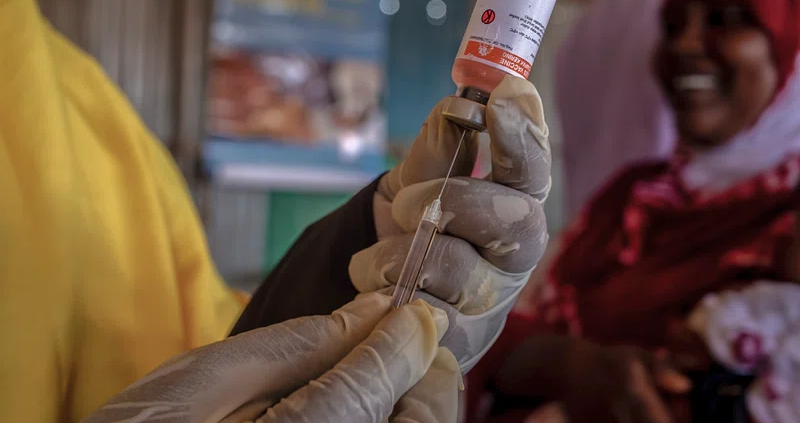 Over the last century, the development of vaccines has greatly reduced the transmission, severity, and fatality of many diseases such as measles, tuberculosis, and influenza. Global immunization efforts have been so effective that in 1980, the World Health Organization (WHO) declared smallpox, which contributed to millions of deaths for thousands of years, to be the first infectious disease to be eradicated. However, this innovation brought a new complication, especially for low-income regions. Due to a lack of funding, many low-income countries struggle with low supplies of needles and syringes, leading to increased unsafe injection practices, such as reusing needles. In 1999, it was estimated that about 30% of immunization injections were unsafe, putting both patients and health care providers at risk of contracting blood-borne illnesses such as Hepatitis B and HIV/AIDS.
Blood-Borne Illnesses in the Eastern Mediterranean
Although cases of HIV in the Eastern Mediterranean Region (EMR) have been deemed low for many years, a 2025 scientific review suggests that it is one of the few regions in the world where the prevalence of HIV is rising. In 2025, Saadia Alsomali and colleagues examined several studies on the prevalence of HIV and other blood-borne diseases in Eastern Mediterranean countries such as Egypt, Morocco, Iraq, Pakistan, and Palestine. The results suggest that between 530,000 and 610,000 people in the EMR were reported to have HIV, and cases of new infections have almost doubled within the last decade.
The prevalence of HIV varies across countries and demographics; however, there are some notable trends. Pakistan has the highest prevalence of HIV in the EMR at 33%, while most other countries in the EMR have a prevalence of less than 10%, below the average of other global regions. The fact that Pakistan is the most populous country in the EMR likely contributes to the high prevalence of HIV. Additionally, marginalized groups such as female sex workers, intravenous drug users, and non-heterosexual men are disproportionately affected by HIV, contributing to 97% of HIV cases in the EMR. Their marginalized status and the lack of accurate information about HIV may contribute to less than 10% of people from these populations being tested for HIV, meaning the true prevalence may be higher. Intravenous drug users are at particular risk of contracting HIV, as only nine out of 22 EMR countries have needle and syringe programs.
How Auto-Disable Syringes Help
Auto-disable needles prevent the transmission of blood-borne diseases via a safety mechanism that locks the plunger of the syringe after one use, preventing reuse and decreasing the risk of accidental needle sticks. These syringes have been a staple of many global immunization efforts because they allow health care workers to immunize large volumes of people safely and reduce the transmission of serious diseases. Also, since many low-income regions lack resources and health care services, auto-disable syringes ensure people living in any region, regardless of socioeconomic status, can be immunized safely.
That is why more nonprofit organizations, such as UNICEF, are incorporating auto-disable syringes into their immunization campaigns. In 1999, UNICEF, as well as WHO and the United Nations Population Fund (UNFPA), released a joint statement affirming their dedication to making immunization efforts safer. Since then, UNICEF has become one of the largest buyers of auto-disable syringes, purchasing about 40% of the global supply. It delivers these syringes to immunization programs in over 90 countries, providing about 800 million childhood vaccinations every year.
Looking Ahead
Auto-disable syringes are an important innovation used in global immunization campaigns. By preventing reuse, these syringes make immunization safer by reducing the risk of transmitting blood-borne diseases such as HIV. Since the risk of contracting blood-borne diseases is especially high in low-income regions and marginalized populations, widespread use of auto-disable syringes can improve health equity around the world.
– Lily Alexander
Lily is based in Surrey, British Columbia, Canada and focuses on Global Health for The Borgen Project.
Photo: Rawpixel
