Sister City Partnerships and Access to Education
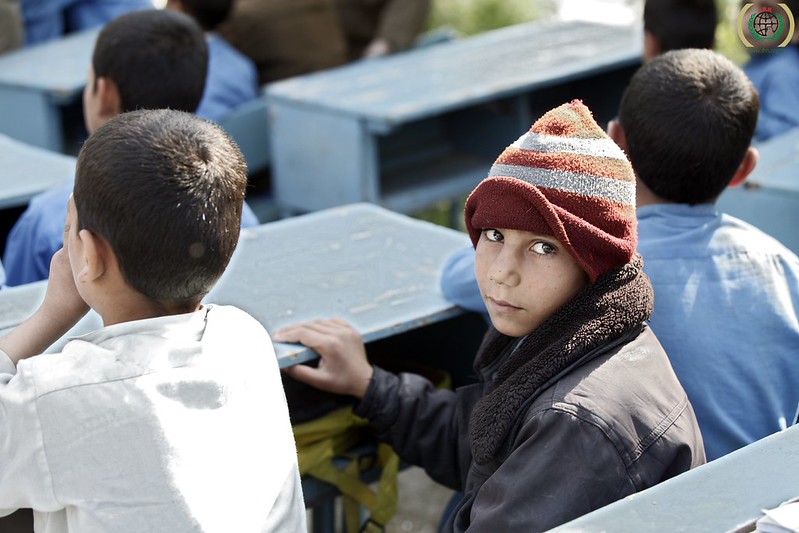 Often associated with cultural exchange and diplomacy, Sister city partnerships can, however, also play a meaningful role in expanding access to education in underserved communities. By connecting local institutions across borders, these programs create opportunities for students who may otherwise have limited exposure to global learning experiences.
The partnership between San Diego and Jalalabad offers a lens through which to examine how city-to-city collaboration can support educational access while also highlighting the broader impact and limitations of these initiatives.
Sister City Partnerships and Access to Education
Sister city programs, often coordinated by organizations such as Sister Cities International, are designed to foster mutual understanding through cultural, economic and educational exchanges. In many cases, these partnerships include student programs, school collaborations and community-led initiatives that contribute to long-term development goals. Education, in particular, serves as a key pathway through which these relationships can address inequality and expand opportunity.
Bryan Fisher, the president of the Matsuyama-Sacramento Sister City Corporation, highlighted how these partnerships function at the community level. “We have great access to high schools in the SCUSD district,” Fisher told The Borgen Project in an interview. “At C.K. McClatchy High School, we have a large economically disadvantaged population. Through our sister-city relationship with CKM, we have students who do a homestay there during the spring and summer. We also sponsor a student trip to Japan every two years with Rosemont and CKM.”
Programs like these provide students with opportunities that extend beyond traditional classroom learning. Through homestays and exchange visits, participants gain firsthand exposure to different cultures and educational environments. The Sacramento-based program, for example, hosts students from Japan and organizes trips abroad for local students every two years, allowing participants to engage in immersive learning experiences.
Building Long-Term Impact Through Exchange
These types of exchanges can have lasting educational and social impacts. According to Fisher, one of the most important outcomes is the formation of long-term relationships. “When students host students from Japan and travel to Japan, it’s a great opportunity for them to make those long-term relationships and connections,” he explained. “Many of my students do and still maintain those relationships.”
The structure of these programs contributes to their effectiveness. Unlike short-term or virtual interactions, extended exchanges allow students to build deeper connections. “The proximity and the ability to get to know the students for two weeks go beyond the superficial encounters students would get online,” Fisher said. This level of engagement can enhance cultural understanding, improve communication skills and broaden educational aspirations—particularly for students from underserved backgrounds.
In regions affected by conflict and economic instability, access to education, especially for girls, can be limited. Sister city collaborations can help address these gaps by supporting local initiatives, providing resources and facilitating knowledge exchange between communities.
Challenges Facing Sister City Partnerships
While these programs offer meaningful benefits, they are not without challenges. One of the most significant barriers is funding. “The biggest struggle we have is long-term funding and engagement from our community,” Fisher noted. Like many volunteer-driven organizations, sister city programs often rely on sustained local support, which can fluctuate over time.
Demographic shifts also present challenges. As founding members of these organizations age, maintaining momentum can become more difficult. “Our organization has been around for 45 years and the community that founded it is aging out,” Fisher said. “Finding new and younger people is a struggle.”
Access and equity within the programs themselves can also be uneven. While some schools and families are well-positioned to participate in exchange programs, others face barriers related to cost and resources. “It’s often easier to find families interested in hosting at some schools like CKM that have a student population with some wealth and with room to host,” Fisher explained. “Going beyond these types of schools and families, our organization has trouble with funding more expensive experiences that we could offer to more disadvantaged groups.”
These limitations underscore the importance of sustained investment and inclusive program design. Without adequate funding and outreach, the benefits of sister city partnerships may not reach the students who could benefit most. Addressing these gaps is essential for ensuring that educational opportunities are distributed more equitably.
Final Remarks
Despite these challenges, sister city partnerships remain a valuable tool for expanding access to education and reducing global inequality. By fostering direct connections between communities, these programs create pathways for learning, cultural exchange and long-term collaboration. When supported by consistent funding and community engagement, they can help broaden opportunities for students in both partner cities.
While sister city programs alone cannot resolve systemic barriers to education, they offer a practical and community-driven approach to expanding access and fostering connections that extend far beyond the classroom.
– Jason Hill
Jason is based in Fullerton, CA, USA and focuses on Politics for The Borgen Project.
Photo: Flickr
