Extreme Weather and Food Security in East Africa
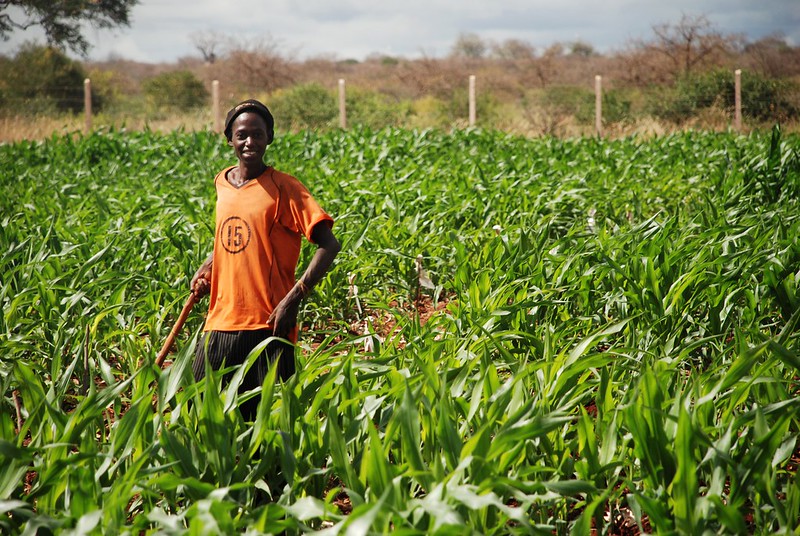 East Africa is grappling with worsening food security due to the increasing frequency and severity of extreme weather patterns. In countries like Ethiopia, Somalia and Kenya, shifting rainfall patterns and prolonged droughts are devastating agricultural systems, the backbone of local economies. This instability is contributing to widespread food insecurity, displacing millions and threatening livelihoods across the region. According to the U.N. Office for the Coordination of Humanitarian Affairs (OCHA), food insecurity affected more than 48.1 million people in East Africa as of May 2024, largely due to weather-related shocks.
Ethiopia, Somalia and Kenya: A Regional Snapshot
Each country in East Africa faces unique but interrelated challenges. In Somalia, four consecutive failed rainy seasons, including the October–December 2024 deyr season, have caused severe pasture and water shortages, significantly reducing crop yields and weakening livestock health.
Across Ethiopia, insufficient rainfall during the June 2023–September 2023 kiremt season led to localized cereal shortfalls and about 4.5 million livestock deaths.
Meanwhile, northern and eastern Kenya experienced its driest rainy seasons in more than 40 years, exacerbating desertification and displacing pastoralist communities.
FAO’s Global Information and Early Warning System
FAO’s Global Information and Early Warning System (GIEWS) is a critical tool used across East Africa to anticipate and respond to food crises. It provides near real-time monitoring of agricultural production, food prices and extreme weather patterns.
In Somalia, for instance, GIEWS reported that the 2024 deyr rainy season saw below-average and erratic rainfall, leading to pasture and water shortages in pastoral areas and below-average cereal yields. As a result, the livestock-to-cereal terms of trade deteriorated; in January 2025, a goat in Burao Market could purchase only 48 kg of sorghum, compared to 68 kg the previous year, a decline that severely impacted household food access.
The R4 Rural Resilience Initiative
The World Food Program (WFP), in partnership with Oxfam, is helping farmers manage weather-related agricultural risks through the R4 Rural Resilience Initiative. R4 enables smallholder farmers to access crop insurance, savings accounts, and weather adaptation training.
In Ethiopia alone, as of 2020, more than 54,000 households have enrolled in the program since its launch and participants have reported improved yields and greater resilience to seasonal shocks. R4 not only safeguards livelihoods but also reduces the need for emergency food aid during extreme weather events.
Kenya’s National Smart Agriculture Strategy
Kenya has implemented a National Smart Agriculture Strategy aimed at mainstreaming adaptation to extreme weather into every level of agricultural planning. The strategy focuses on three key pillars: increasing productivity, building resilience, and lowering emissions. It promotes drought-resistant crops, precision irrigation, and agroforestry techniques. Supported by international donors and NGOs, the initiative seeks to create a sustainable agricultural model that can withstand future weather-related challenges.
Toward a Resilient Agricultural Future
The future of food security in East Africa depends on continued investment in adaptive strategies that address both immediate hunger and long-term resilience. Strengthening regional cooperation, funding scalable programs like GIEWS and R4, and supporting national policies such as Kenya’s CSA Strategy will be crucial.
By aligning weather adaptation with food systems planning, East African nations have a path forward to reduce vulnerability and build sustainable food security.
– Joseph Hasty
Joseph is based in Winter Park, FL, USA and focuses on Global Health for The Borgen Project.
Photo: Flickr
