Boca de Rua Empowers Homeless Individuals Through Journalism
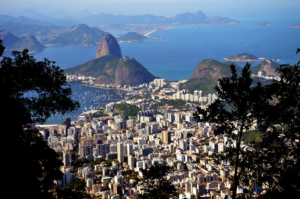 Boca de Rua, a unique street newspaper based in Porto Alegre, Brazil, continues to empower people experiencing homelessness by involving them directly in journalism. According to The Guardian, the publication creates opportunities for participants to write, photograph and sell the paper, offering both income and visibility to marginalized voices.
About the Newspaper
Founded in 2000 by journalists Rosina Duarte and Cristina Pozzobon, Boca de Rua—which translates to “Word on the Street”—operates as a quarterly publication where contributors attend weekly editorial meetings and determine the paper’s content. Vendors sell each issue for R$3 (around $0.53) and keep the proceeds.
According to Global Voices, about 50 people contribute to each edition. Topics range from street abuse to positive community stories, with recent issues covering tragedies like a fire at a state-run homeless shelter and flood impacts on the city. More than a source of income, the paper builds confidence and public presence for its contributors. Since its founding, Boca de Rua has supported more than 400 individuals through this model of participatory journalism.
Addressing Homelessness in Brazil
Homelessness remains a significant issue in Brazil. According to Development and Cooperation, the population of unhoused individuals grew by 38% between 2019 and 2023, largely driven by the COVID-19 pandemic. As of 2022, more than 281,800 people were registered as homeless in Brazil and economic insecurity remains the leading cause. In response, the Brazilian government relaunched the Minha Casa Minha Vida (“My House My Life”) program. Initially implemented in 2009, the initiative offers housing subsidies to low-income families, particularly those earning under $400 per month, according to The Rio Times.
Stories of Ambition and Impact
Elisângela Escalante, a contributor for six years, shared with Global Voices how the paper helped her transition off the streets and into a home. Previously dependent on her partner financially, Escalante was able to regain independence through earnings from the newspaper. “Through it [Boca de Rua] I got a lot of things and I helped a lot of people too,” she said.
A memorable edition that she worked on featured the cover story “Why Can’t We Be Mothers?”—a piece that explored the challenges of motherhood while experiencing homelessness. During production, some participants even reconnected with their children, underscoring the paper’s emotional and social reach.
Another contributor, Michael Vasconcelos, told The Guardian that he became homeless after a family fallout. He later joined Boca de Rua, where he describes himself as a “paperboy and journalist.” “Now, I steal people’s attention and deal in information,” Vasconcelos said.
Media Representation and Inclusion
Community-led media initiatives like Boca de Rua play a crucial role in amplifying marginalized voices and fostering media diversity. According to the United Nations Educational, Scientific and Cultural Organization (UNESCO), empowering Indigenous voices in the media is essential for fostering pluralism and diversity, which are vital elements of a vibrant society.
Despite this progress, gaps remain. As of 2025, UNESCO reported that:
- About 25% of media outlets that are non-Indigenous have no editorial guidelines that correlate with Indigenous social issues.
- Only one in five of media outlets cite marginalized individuals as sources, while 8% say that they never have.
- Roughly 16% of media outlets that are non-Indigenous are required to publish in Indigenous languages by quotas.
- Around 49% of media workers who are Indigenous have been exposed to harassment, danger and intimidation.
By offering contributors a direct platform, Boca de Rua helps counter these inequities and drives awareness through lived experience.
Looking Ahead
As Boca de Rua continues to grow, its impact reaches far beyond housing. Co-founder Rosina Duarte emphasizes that the paper’s core mission is to provide income and reduce the harm caused by silence and isolation. The organization aims to deepen its role as a platform for dignity, self-expression and community-driven change.
Contributor Michelle Marques dos Santos, who joined as a teenager living on the streets, is now preparing to publish a book about her life—an opportunity she attributes to the confidence and visibility gained through the newspaper. Now expecting her seventh child—the first she will be able to raise herself—Santos’s story reflects the transformative potential of community-led media initiatives. As Boca de Rua continues its work, it holds promise not only for current contributors but also for future generations seeking visibility and purpose.
– Clarissa Dean
Clarissa is based in Bowling Green, KY, USA and focuses on Good News and Celebs for The Borgen Project.
Photo: Flickr
