A Deep Dive Into the Health Care System in Ethiopia
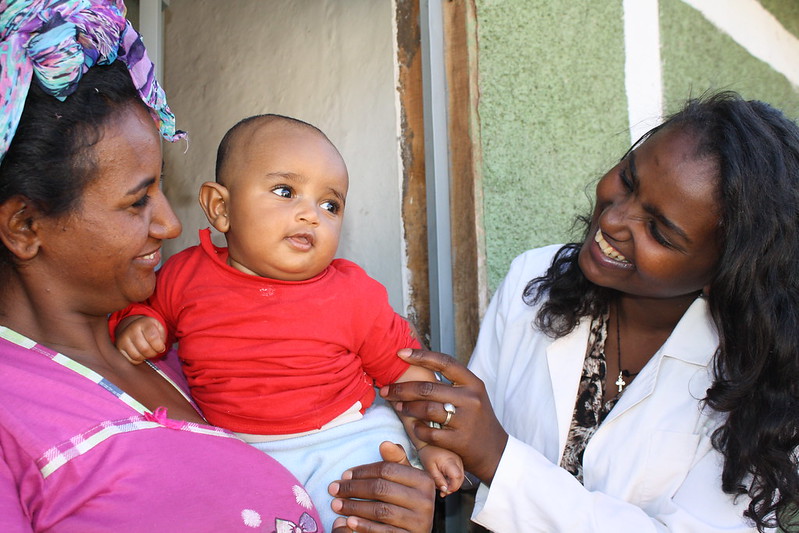 According to a National Library of Medicine study, health care systems in low-income countries remain as fragile as ever. The COVID-19 pandemic put such these systems under immense pressure. An example of this is the health care system in Ethiopia.
COVID-19 and Health Care Infrastructure
The pandemic highlighted many flaws and shortcomings in the health care infrastructure. Global leaders underestimated the need for health care reform and it was only after the pandemic claimed millions of lives that such leaders recognized the need for reorganization and restructuring to ensure adequate procedures and the anticipation of failures.
A 2022 study reviewed measures taken during the pandemic, offering an alternative means of control based on analysis. Researchers provided a more efficient model for managing deadly diseases and outbreaks, reformulating emergency response measures based on management, protection and containment via control and suppression of transmission, information and support.
The Impact on Ethiopia
Deadly diseases significantly impact global health security. Researchers have found that in countries with limited access to health care services, high poverty rates, and prevalent comorbid diseases, the effects of the pandemic intensified. From early March 2020 to July 2022, Ethiopia reported a total of 491,917 COVID-19 cases and 7,568 deaths, figures that are partly attributable to ongoing poverty-related conditions. Additionally, families experienced significant economic impacts, with about 8.4% of households reporting job losses between March and Oct. of 2020.
Ethiopia’s Response
Following the policymakers’ decision in Ethiopia, the government did not implement a pandemic lockdown like many other countries. Instead, it instated pandemic-preventive measures to reduce the spread of the virus. While somewhat successful, such an approach posed obstacles in implementing community-based services and initiatives to provide additional support to communities. Researchers proposed scaling up community-based resources and approaches as essential support elements.
Like some other low-income countries, Ethiopia could not initiate a country-wide lockdown. Instead, it immediately implemented measures such as thermal screening, contract tracing and isolation, which proved successful. Authorities tailored these measures specifically to the health care system in Ethiopia, weighing the pros and cons. The government demonstrated a strong commitment to addressing the shortage of essential medicines, effectively utilizing resources to produce critical medicine and prioritizing medicinal efforts.
Financing for Health Measures in Ethiopia
Financing is critical to supportive measures enacted to assist countries affected by health crises. It was found that funding for health initiatives and measures in Ethiopia had increased only after the pandemic. Such financial constraints the government of Ethiopia faced during the pandemic led to unprecedented circumstances, such as a shortage of protective equipment.
According to the Institute of Medicine Committee on the United States (U.S.) Commitment to Global Health, low-income country revenues amount to only 18% of their gross domestic product (GDP), which limits their ability to finance health services, proving consequential in the face of severe health crises. Studies have shown that the level of investment needed to deliver extensive care and improve health care systems requires significant and sustained investment by outside agencies and sources. Additional aid from other organizations is therefore essential.
Launch of the Response Project in Ethiopia
According to the World Health Organization (WHO), as of Jan. 2024, the Ethiopian government launched the Ethiopian Pandemic Multi-Sectoral Prevention, Preparedness and Response Project. This extensive project aims to address pandemic-related response measures and preparedness. Such analysis is specific to Ethiopia’s specific socioeconomic landscape. In addition, the project will also examine factors like communication and alerts, enhancing the surveillance of outbreaks in some regions of the country.
Dr. Dlamini Nonhlanhla, WHO’s Ethiopia Representative, discussed the initiatives, noting, “The key components and project activities are aligned with the national plans, including Ethiopia’s Health Sector Transformation Plan, the Ethiopia Public Health Institute’s Strategic Plan, the Ethiopian National Health Emergency Preparedness and Response Plan and the Ethiopian Antimicrobial Resistance (AMR) National Action Plan.” Additionally, Nonhlanhla explained that funding would strengthen Ethiopia’s health care systems and other government structures crucial to public health protection. “This fund will enable us to mobilize resources, strengthen health systems and support critical sectors such as agriculture, environment, antimicrobial resistance and animal health, ensuring a holistic approach to safeguarding public health,” Nonhlanhla added.
Role of Government Leadership and Foreign Aid
Since July 2021, the U.S. has donated 10,095,170 COVID-19 vaccine doses to the citizens of Ethiopia, increasing aid to a severely affected country. In a public health crisis, government leadership, as well as foreign aid, is especially critical in mitigating both the economic, health and social consequences of a deadly viral outbreak, proving essential in assisting countries with poorly structured health care systems.
Looking Ahead
The Ethiopian government, with support from international organizations, has taken significant steps to strengthen the health care system in Ethiopia in response to the COVID-19 pandemic. The launch of the Ethiopian Pandemic Multi-Sectoral Prevention, Preparedness and Response Project marks a critical move toward improving the country’s ability to manage future health crises. With continued investment in health systems and targeted foreign aid, Ethiopia aims to enhance its pandemic preparedness and safeguard public health.
– Dominic Samaniego
Dominic is based in Fullerton, CA, USA and focuses on Global Health for The Borgen Project.
Photo: Flickr
