Child Labor in India’s Mica Mines
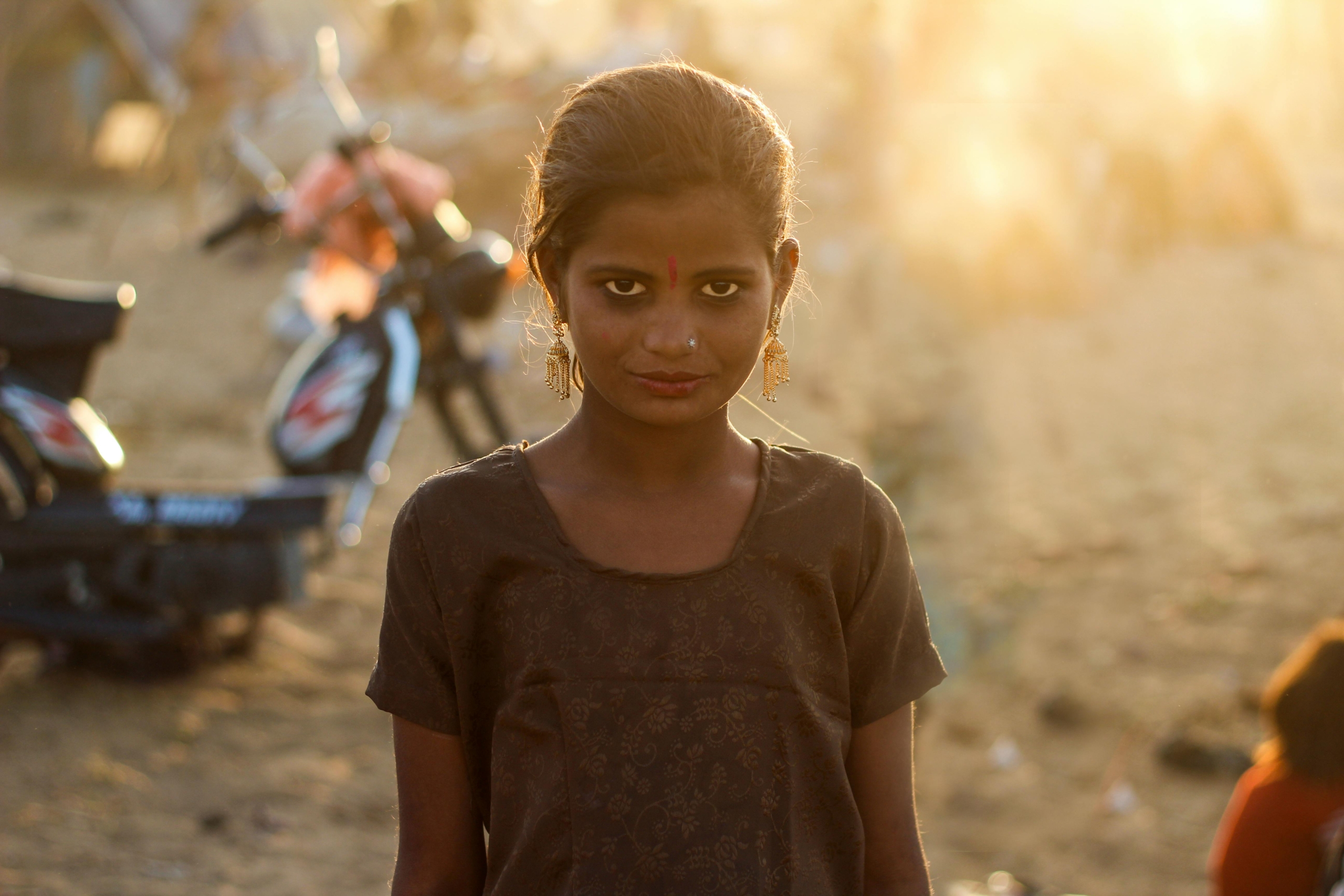 In recent years, makeup trends have prominently featured a notable shine, characterized by blinding highlights in 2016 and the essential use of high-shine glosses for achieving Y2K style and the clean girl aesthetic, resulting in a radiant, dewy complexion. Mica, a silicate mineral of which India is the world’s largest producer, is the key ingredient responsible for this luminous effect.
However, the glittering mineral hides a dark secret: the pervasive use of child labor in its mining. Child labor remains a prevalent and concerning issue within the mica mining industry. Despite its association with unethical labor practices, mica’s popularity in cosmetic products will not decline shortly. Moreover, the recent European Union ban on microplastics, effectively outlawing synthetic glitter, is poised to amplify the demand for mica even further in the foreseeable future.
Child Labor in Mica Mines
India produces 60% of all the sheet mica in the world. This mineral is exclusively found in four states within the country: Andhra Pradesh, Jharkhand, Bihar and Rajasthan. Bihar and Jharkhand stand out as the two most economically disadvantaged states in India, holding the dubious distinctions of being the poorest and second poorest, respectively, with staggering poverty rates of 51.91% and 42.16%. This combination of resource richness and economic poverty is one of the main reasons for the prevalence of child labor in India’s mica mines.
In many families residing in these regions, the harsh reality is that financial constraints prevent them from sending their children to school. Consequently, these families rely on the labor of their children to generate income and survive. Children engaged in mica mining earn a meager average daily wage of fifteen rupees, equivalent to $0.06. Children are so heavily used in mica mining because of their ability to navigate the narrow caves and tunnels where mica extraction occurs.
Tackling India’s Child Labor Problem in Mica Mines
The Indian government announced in 2017 that it would legalize mica mining to regulate its production better, take child labor out of the supply chain and crush the so-called mica mafia. Despite this announcement, as of 2020, illegal mica mining had not only not been eradicated but was thriving. The Child Labor Free Mica initiative is the most hopeful development in the fight against child labor in mica mining in India. This initiative works with children, civil society, the local community, as well as the provincial government to eliminate all forms of child labor in mica mining in Jharkhand and Bihar.
This project aims for the complete eradication of child labor in mica production in these states by next year, 2025. This goal is aligned with the national Indian government’s goal of ending child labor in 2025. One of the biggest successes of this initiative has been the creation of child-friendly villages. Child-friendly villages are a grassroots solution that centers and empowers children to defend and protect their rights and creates a community of parents and other actors that build on and support children’s rights.
– Sara del Carmen Navarro Galvan
Photo: Pexels
