Aurat Foundation: Fighting Poverty in Pakistan
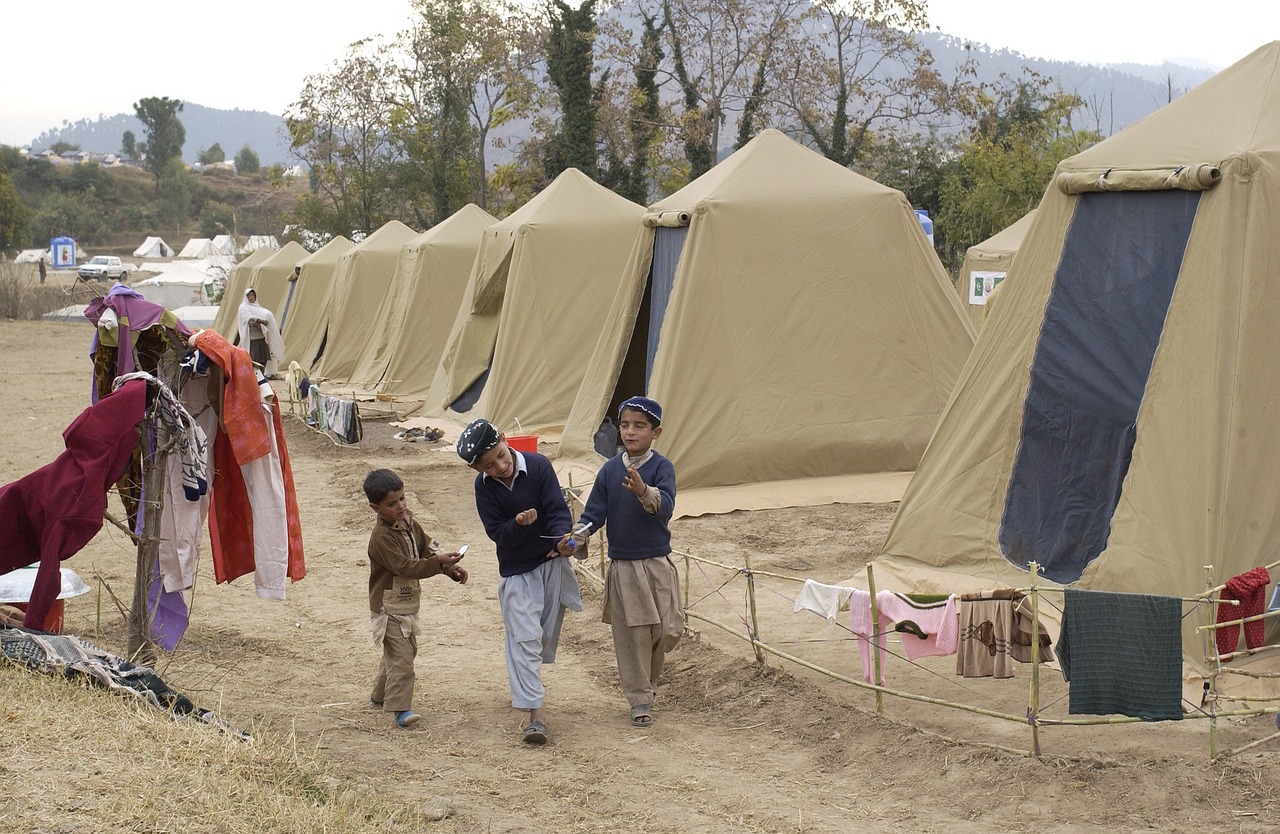 In a 2023 report, the World Bank expected poverty level in Pakistan to reach 37.2%. This percentage is slightly below the previous rate of 39.8% in 2018, however, when adjusting for population growth, the number of Pakistanis living in poverty has grown by nearly 3 million since 2018. Considering these rates, this article will outline three factors that are contributing to individuals being poor in Pakistan today.
Deeply Rooted Inequalities in Pakistan
Social inequalities, specifically those rooted in gender workplace discrimination, are the first factor leading to individuals being poor in Pakistan. According to the World Bank, gender inequalities remain persistent in Pakistan, with only one out of four working-age women participating in the labor force and 80% of these women working in agriculture. The majority of women therefore find themselves concentrated in low-paid jobs and have limited opportunities for upward mobility in the formal sector of the economy, making these social inequalities a primary factor of being poor in Pakistan.
Environmental Degradation in Pakistan
Environmental Degradation is the second factor contributing to being poor in Pakistan today. Asian Development Bank (ADB) outlines a clear connection existing between environmental degradation and poverty, with both factors continually reinforcing each other. “Increasing air pollution and contamination of ground and surface water,” for example, are “the most commonly cited indicators of environmental degradation in Pakistan” and ones that those living in poverty are especially vulnerable to. Long-term exposure to these pollutants has significant effects on the health of impoverished individuals, who must then devote significant portions of their already limited incomes to health costs.
Limited Poverty Reduction Programs
The final factor contributing to being poor in Pakistan is the insufficient poverty reduction programs that the country has implemented. Although Pakistan indeed has a long history of poverty reduction programs, these programs tend to focus on only one measure of poverty and thus often fall short of reducing overall poverty levels. These programs also account for only about 2% of GDP and have a limited outreach, thus making them the third factor that is contributing to poverty in Pakistan.
The Good News: Aurat Foundation
Established in 1986, the Aurat Foundation focuses on spreading awareness and creating a society where men and women are coequal, both possessing the right to lead their lives in whichever ways they decide. This right extends to the formal sector of the economy, a sector that with a current male domination. Throughout its many years of operation, the Aurat Foundation has therefore established itself as a prominent NGO in Pakistan, specifically focusing on “providing grants, undertaking advocacy for women’s economic empowerment through gender-responsive budgetary allocations and incorporating of women’s concerns into the macro-economic policy framework and social protection programs.”
In addition to women’s political and economic empowerment, the Aurat Foundation contributes to disaster relief, particularly in launching the Motherland Flood Relief Campaign which responded to “Pakistan’s worst-ever floods in 2010.” These floods are ones that disproportionately affect the poor in Pakistan as these individuals lack the resources necessary to rebuild their lives after such a disaster.
In understanding these deeply rooted inequalities, the effects of environmental degradation and limited poverty reduction programs, the detrimental effects of being poor in Pakistan become clear. However, looking at the Aurat Foundation’s work, people can learn how to mediate these effects for each impoverished individual in Pakistan for a better future.
– Staff Reports
Photo: Pixabay
