Bialla’s WASH Facilities in Papua New Guinea
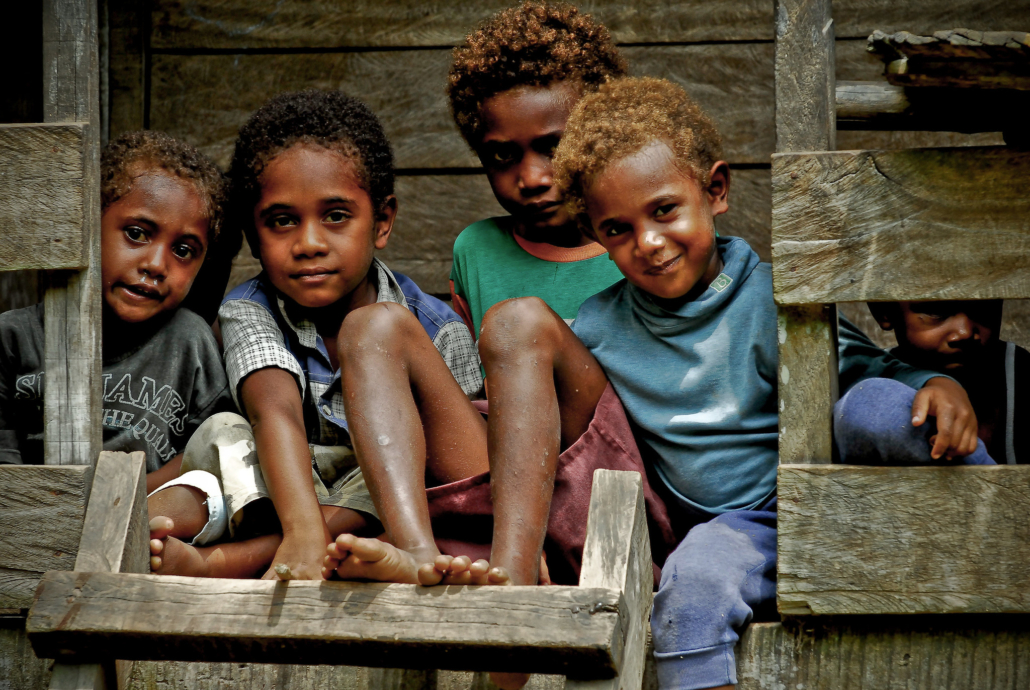 Papua New Guinea is an island nation in the Southern Pacific. It is a bustling country with a population of more than 10 million people. However, around 60% of the 10 million people still do not have access to suitable WASH facilities. However, Bialla, a small Papua New Guinea town, has successfully instituted new WASH reforms. Bialla’s improvement has encouraged the rest of Papua New Guinea to actively push initiatives to improve WASH facilities in Papua New Guinea.
Bialla’s Success Story
Bialla is a small town in Papua New Guinea with a population of around 13,000. The town has struggled to access clean water for many years, especially in the long dry season. In 2020, the World Bank reported that the Water Supply and Development Project in Bialla has provided clean water for more than 5,000 town citizens. Aside from personal sustenance, the newfound access to water has benefited schools and local markets and generally improved the quality of life of the townsfolk.
The Rest of Papua New Guinea
Bialla’s improvement in its water supply system has encouraged the rest of PNG to follow in its footsteps. In the 2020 Voluntary National Review, PNG reported that 2019 safe drinking water increased by 41% and sanitation improved by 13%. These numbers are giant steps in the right direction for the nation. However, PNG still states that it needs proper infrastructure to get its aid out and there is still a long road to improvement.
WASH Policy 2015-2030
In 2015, Papua New Guinea rolled out the WASH Policy 2015-2030. The policy aims to improve safe water and sanitation access, particularly in rural and peri-urban areas. It provides a comprehensive framework for addressing water and sanitation challenges while emphasizing collaboration, precise definitions and ongoing assessment of policy effectiveness. The policy focuses on delivering WASH facilities in Papua New Guinea, creating frameworks for improved service delivery and outlining improved technologies.
UNICEF
UNICEF has a significant role in helping PNG with its continued goal for WASH improvements. It works with the government of PNG to provide schools with sanitary necessities, like toilets, sinks and water tanks, and promote menstrual hygiene. By doing this, UNICEF promotes children’s health (especially girls) and allows them to stay in school.
In addition, the EU-UNICEF project in PNG will act as a support system for the WASH policy 2015-2030. It will promote clean water and sanitation and strengthen WASH frameworks. It is expected to benefit 160,000 people, including 40,000 children, across all districts of PNG.
The Water for Women
The Water for Women Fund project, which Plan International leads in Papua New Guinea, is another testament to the country’s continued efforts in WASH improvements. It aims to provide climate-resilient WASH facilities to the island of New Ireland and the Autonomous Region of Bougainville in Papua New Guinea. In these two areas, 30% of the population relies on unprotected water, while 80% rely on unimproved sanitation.
This project seeks to improve the health, gender equality and well-being of the 8,000+ people on these islands. Bialla is a testament to how improved access to water and sanitation can better the lives of an entire community. With the coordination and initiatives of government, development partners, aid agencies and the private sector, PNG is looking to replicate Bialla’s success throughout the country.
– Atheeth Ravikrishnan
Photo: Flickr
