Addressing Poverty Among the Honduran Garifuna
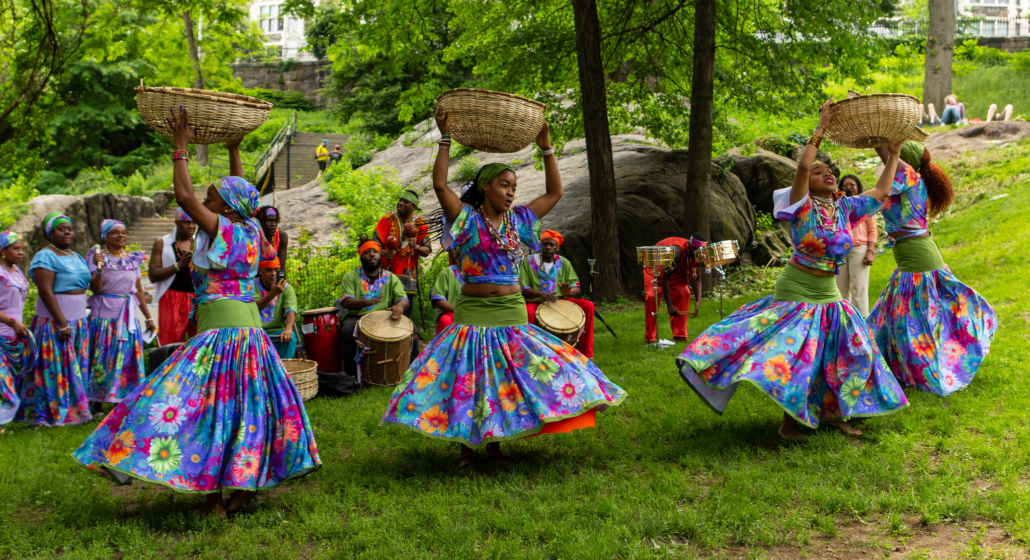
The Honduran Garifuna are an Indigenous group and descendants of the African Caribs, an Indigenous community from the Caribbean island of St. Vincent. In the 18th century, they were exiled from the Central American region and dispersed along the coast and rural areas. Due to miscounts and failure of recognition by the Honduran government, there is no Honduran Garifuna census, but according to the UN’s most recent findings (2021), the population is at about 300,000.
Of the 6.5% African and Indigenous population in the nation of Honduras, 71% are Indigenous and living in extreme poverty. The Garifuna primarily comprise that statistic – along with the other Indigenous groups – which ultimately concludes that they face a high discrepancy in inequality and income in the nation. Here are a myriad of detrimental factors contributing to the poverty among the Honduran Garifuna.
Inadequate Infrastructure
With poor housing comes a deficit in electricity, running water and sanitation services. At Honduras’ national level, about 73% have access to an adequate home, yet this access is unavailable to 30% of their counterparts — those residing in rural areas. More than 40% of the rural population depends on rivers or wells for water, and the Honduran Garifuna account for 17% of them. The Garifuna account for 18% out of 50% that have little to no access to an installed sanitation facility — this includes an outhouse, toilet, potable water and sewer system.
Lack of Basic Needs
Studies find that the illiteracy and malnutrition rates among Honduras’ Indigenous, rural population are at an all-time high and found little to no access to the basic needs for education and food. More than 40% of rural people are not enrolled in grade school resulting in a 46% illiteracy rate because they are geographically isolated.
Isolation/Exclusion
The Honduran Garifuna are isolated and excluded across the spectrum — geographically, economically, socially and politically. Additionally, others do not recognize them as a people in the country. This perpetuates disputes between them and the Honduran government over human and land rights. Even the urban Garifuna that are economically active in the tourism industry regularly experience discrimination and human rights violations. They, and their rural counterparts, face challenges within their own lands over decision-making processes and injustices that further sustain the poverty found among the Honduran Garifuna.
Two grassroots NGOs working with and representing the Honduran Garifuna in legal cases today are the Black Fraternal Organization of Honduras (OFRANEH) and the Ethnic Community Development Organization (ODECO). Both OFRANEH and ODECO have similar goals and visions when working with the Garifuna community. They both prioritize the Garifuna culture and language to educate them about their designated human and land rights and apply them to protect themselves.
The Honduran Garifuna community still stands in solidarity today and holistically tackles the structural challenges of poverty, discrimination and marginalization. It has faced these obstacles by prioritizing its Indigenous culture and traditions and will continue to do so until reconciled.
The Garifuna community is matrifocal. Women are the head of the household and take the leadership roles. Here is a group of Honduran Garifuna women launching a Land Recovery Campaign to fight for their ancestral territories.
– Amy Contreras
Photo: Flickr
