The Catch-22 of Crime and Poverty in Haiti
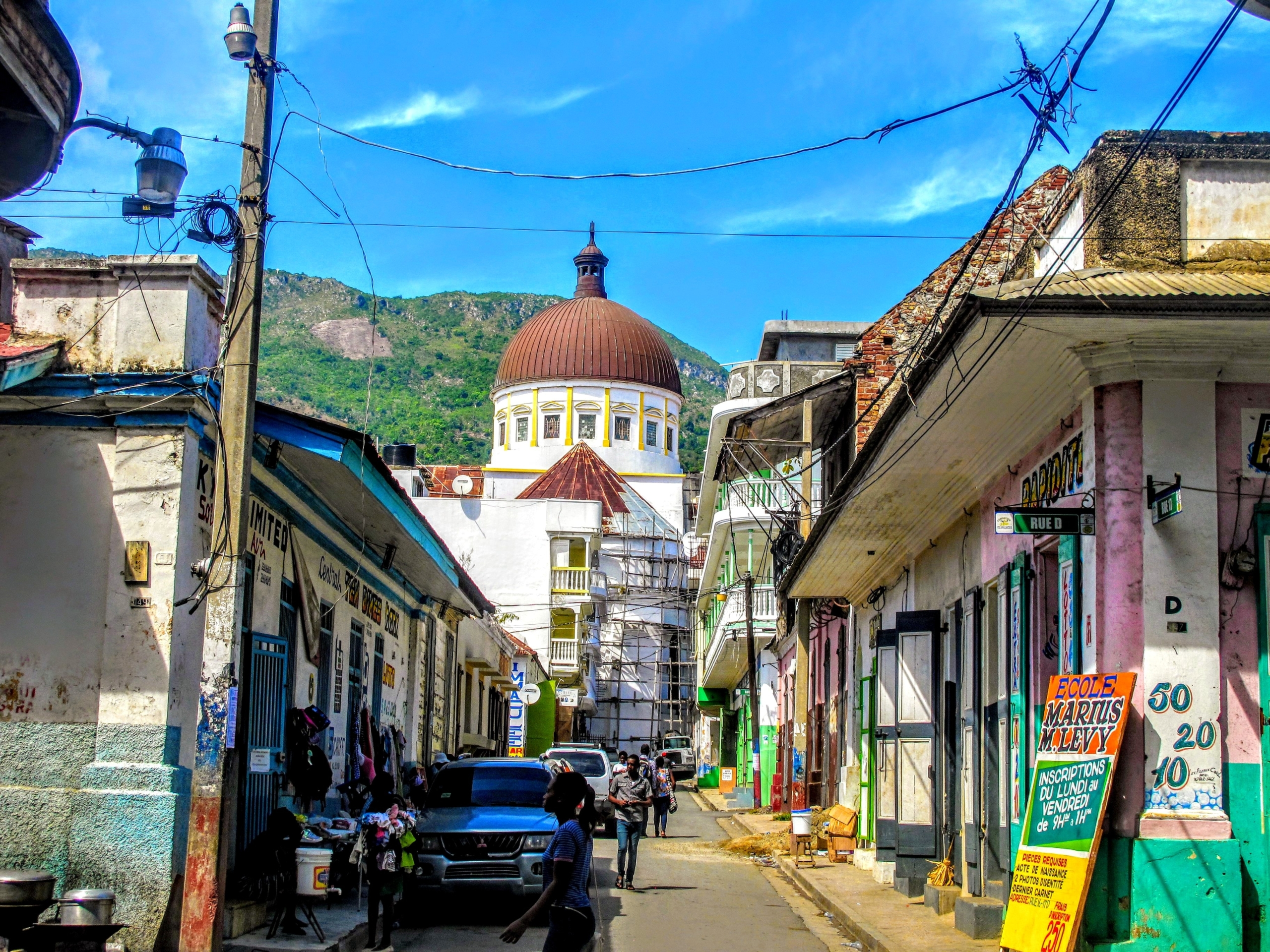 Haiti is both the poorest and most dangerous country in the Caribbean, the World Bank says. Political instability, civil unrest and a geographic location with a high risk of natural disasters keep almost 60% of Haitians below the international poverty line. Simultaneously, Haiti ranks 58th on the Global Organized Crime Index of 2023, and the U.S. has issued a warning against travel to Haiti because of dangerous conditions related to gangs and other organized crime. In other words, crime is rampant in an already impoverished nation. The connection between crime and poverty in Haiti results in a catch-22, or vicious, cycle. In this country, crime exists because extreme poverty exists.
Poverty as a Breeding Ground for Gang Violence in Haiti
Simply put, political dysfunction, natural disasters and the COVID-19 pandemic have ensured that as of 2023, more than half of Haitians live below the poverty line. This poor circumstance allows organized crime to thrive. A lack of jobs and government instability open space for gangs to offer the structure, stability and income that Haitians desire. Haiti has such poverty, desperation and lack of political strength that more than 200 gangs have formed in the last five years. However, gangs do not offer the social stability or solution to poverty that Haitians might hope for.
Nearly 100 gangs, half of the gangs in the entire country, currently fight for control of Haiti’s capital, Port-au-Prince. So many rival gangs in such close proximity cause extreme danger for Port-au-Prince’s residents, but Haiti’s current government is not powerful enough to regain control of the city.
Gangs do not lift Haitians out of poverty the way that official government action could. For instance, by building infrastructure, protecting against natural disasters, increasing education rates or developing industry. Rather, gangs introduce extreme violence and cause long-term damage to a country already ransacked by extreme poverty.
Gangs are responsible for much of the crime in Haiti; the crime rate has more than doubled from 2022 to 2023 and more than 1,600 crimes occurred in just the first quarter of 2023. These crimes, including homicides and kidnappings, impede both immediate and long-term solutions to poverty because crime wrecks stability. Children, for example, run the risk of shootings at school and in the streets, impacting their education and the chance of a prosperous future. In other words, the crime-ridden atmosphere that poverty creates guarantees that poverty will continue — the catch-22 of crime and poverty in Haiti.
Aid to Haiti
Despite the catch-22 that encloses Haitians in an unending loop of danger and poverty, some hope remains outside the loop. The U.S. has a close partnership with Haiti and is responsible for the largest amount of humanitarian aid sent to Haiti in 2023. Since 2021, USAID has provided Haiti with a total of $278 million for humanitarian assistance, societal advancement and the development of a reliable health care system; more than $110 million of this aid has come in 2023.
In addition to USAID, many nonprofit organizations work in Haiti to promote health, development and safety despite the threat of gangs. In fact, Haiti is known as the “republic of NGOs” due to the amount of aid that has poured into the country from nonprofits since the earthquake of 2010.
Hope for Haiti is one particularly successful NGO that aims to promote education among Haiti’s children. To date, Hope for Haiti has paid the salaries of 400 teachers, which opened space for more than 4,000 children to attend school. Regular school attendance guarantees Haitian children some form of stability amid the chaos of a gang-ridden country, allowing them the opportunity of a promising future.
Although crime in Haiti is at an all-time high, which cycles into high poverty rates, the support of the U.S. and NGOs helps millions of Haitians living below the poverty line.
– Suzanne Ackley
Photo: Unsplash
