Learning to Read in Ghana: Adult Literacy Programs
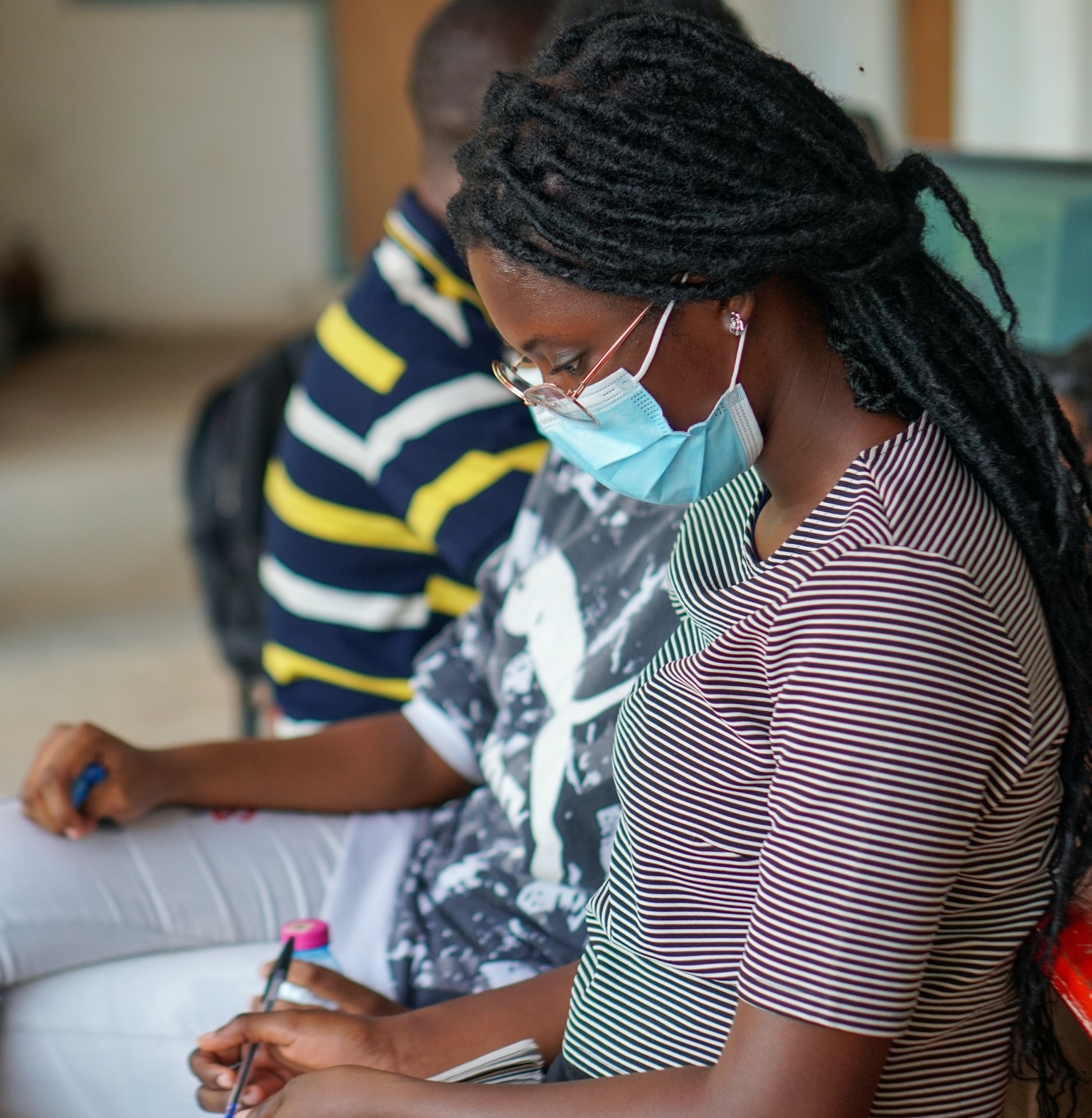 Ghana, a large West African country along the Atlantic Ocean coast, has long grappled with the challenge of illiteracy. An estimated 42% of the adult population in the country is illiterate, with women facing a higher rate of around 50%, compared to 33% among men. As a result, there is a pressing need for Adult Literacy Programs in Ghana.
ALPs and Education
Adult Literacy Programs, or ALPs, serve exactly the function the name suggests. These programs help adults learn how to read. However, literacy is much more than understanding words or numbers on a page. It serves an important societal function that allows people to interact with the world around them. ALPs can help increase skills among populations struggling with underdeveloped education, poor health and labor market participation.
These programs seek to provide adults with a well-rounded education that they may apply to their daily lives. Programs that utilize creative approaches rather than traditional classroom pedagogy are often more successful. For example, modern advances such as cell phones help adults retain new, relevant information.
History of ALPs in Ghana
Adult Literacy Programs in Ghana have a long history, stretching back to the time before the nation was independent. In the early 18th century, the Dutch Reformed Church introduced local language adult literacy work to Ghana, then the Gold Coast. After the Second World War, in 1948, the British Colonial Government officially adopted literacy as a component of the national education system and set out to establish similar programs. Since gaining independence in 1957, Ghana has embarked on several literacy-based initiatives beyond the scope of colonizing powers.
Within the past 50 years, the state has instituted a variety of educational acts, such as the Education Act of 1961 and the 1992 Constitution, which established education as a basic right for all citizens. Similarly, the state partnered with several NGOs and instituted programs such as the Free and Compulsory Universal Basic Education. Current estimates suggest that the youth and adult literacy rates are around 80% and 75% due to these programs.
Ghana’s National Functional Literacy Program (NFLP)
One such program is Ghana’s National Functional Literacy Program or the NFLP. It seeks to increase the national literacy rate, and defines a functionally literate person as “one who can engage in activities in which literacy is required for effective functioning of his/her…community and also for enabling him/her to continue to use reading, writing and calculation for his/her own and the community’s development.”
In classroom settings, adult Ghanaians learn reading, math and other complementary skills. Some classes are women or men only, while others are a mix of both. Studies have noted substantial gains in reading skills, but relatively weak writing and numeracy skills. Still, the NFLP has led to more labor market participation, greater income and generally more economic liberties for newly literate Ghanaians. One hypothesis for the NFLP’s notable success is its longer duration of 21 months, whereas many other ALPs tend to last for only nine.
The Literacy and Community Development Program
Another ALP in Ghana is the Literacy and Community Development Program, a literacy and socio-economic development program which targets adults 15 and above with little to no formal education. There are specific efforts that serve to accommodate vulnerable or marginalized groups such as women, youth, prison inmates, nomads and people living with disabilities. Pamoja Ghana launched this program officially, with financial and technical support from Action Aid Ghana (AAG).
Since its founding, numerous groups have been established across the entire country and currently, there are about 3,340 active participants. Adults and adolescents can learn basic literacy and life skills through this program, and many learners have even gone on to hold positions in district assemblies in their localities or have become elders in their various religions. Some younger participants who were forced out of school due to poverty or societal pressures were able to continue learning informally before eventually re-enrolling in formal school. Overall, this ALP has assisted many adult Ghanaians with learning to read, thus allowing them to interact with their communities in new and improved ways.
– Char Nieberding
Photo: Unsplash
