3 Nonprofits Improving Health care in Burundi
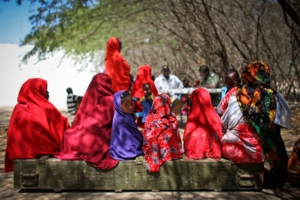 Burundi is one of the most impoverished countries in the world. Despite being densely populated with 442 people per square kilometer, Burundi had a GDP of a mere $249 per capita in 2023 and an overwhelmingly agrarian economy – for scale, the estimated global average GDP per capita was $13,440 in 2023. Burundi’s health care system is in dire need of aid, and fortunately, some nonprofit organizations focus on improving the well-being of Burundians.
The State of Burundi’s Health System
Burundi’s health system is lacking the capacity to meet the basic health care needs of Burundians. There is a critical shortage of health workers and physicians with 0.05 doctors per 1,000 people. Communicable diseases such as HIV/AIDs, malaria and parasitic diseases are widespread in Burundi.
As of 2021, Burundi’s life expectancy was 62 years. For scale, the global average life expectancy was 73 years in 2020, and the U.S. life expectancy in the same year was 76 years. A significant contributor to the low life expectancy in Burundi is child mortality.
Burundi’s fertility rate is among the highest in the world with a 5.1 in 2021, meaning that on average, a woman in Burundi will give birth to at least 5 children in her lifetime. However, the severe lack of health infrastructure means that most women and young children in Burundi would not receive adequate medical care and die from treatable diseases. For instance, malaria alone causes almost 70% of all deaths for children under 5 in Burundi.
Friends Women’s Association
On top of the lacking capacity of health care in Burundi, women in Burundi also live with the high risk of physical and sexual violence with nearly half of all women between 15 and 49 experiencing intimate partner violence at least once in their lifetime.
Friends Women’s Association (FWA) is a women-led organization that focuses on women’s health and HIV/AIDS, as well as support for survivors of sexual violence. As of 2022, FWA has organized a total of 154 self-help groups for rape survivors as well as providing HIV testing follow-up visits for HIV-positive individuals.
Village Health Works
Based in New York, this nonprofit organization is providing a holistic approach to improving the well-being of Burundians by providing clinical care, as well as education and community outreach programs. Notably, Village Health Works is building the Kigutu Hospital and Women’s Health Pavilion, a full-sized local hospital in Burundi that will serve as a training center for the next generation of health care providers in Burundi.
According to the founder and CEO of Village Health Works, Deogratias Niyizonkiza, the Kigutu Hospital will not only provide clinical care but also share knowledge with other health professionals across Burundi.
CARE International
Active in Burundi since 1994, CARE International is a global humanitarian NGO with a long and distinguished history and operations in 111 countries worldwide. In Burundi, CARE International led a public health awareness campaign during the COVID-19 pandemic, countering misinformation and raising awareness about prevention and vaccination opportunities. Its Right to Health program also reached a total of 106,198 Burundians in 2022.
Looking Ahead
With severe poverty and a lack of infrastructure and health care workers, there are significant challenges ahead in order to improve the quality of health care in Burundi. However, several nonprofit organizations are making notable efforts, and with continued work, the health care situation in Burundi can be improved for the benefit of all its citizens.
– Junoh Seo
Photo: Flickr
