Freedom from Poverty: Malaysian Palm Oil
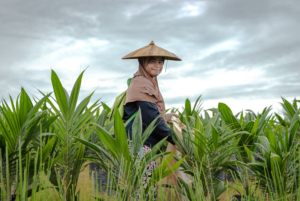 Palm oil is the world’s highest-yielding vegetable oil and Malaysia’s third highest-yielding export. For many smallholders in Malaysia, it is also a means of escaping poverty. However, Malaysian palm oil smallholders are facing both domestic and international pressure to improve their sustainability credentials.
Oil Palm: The Money Tree
Malaysia is one of the largest palm oil producers in the world, second only to neighboring Indonesia. Smallholders, farmers who cultivate oil palm areas of less than 50 hectares, account for 40% of palm oil output in Malaysia. Since the 1960s, land conversion schemes run by the government’s Federal Land Development Authority (FELDA) agency have supplied smallholders with land to grow oil palm. These schemes have successfully reduced the poverty rate among smallholders by 90% (from 50% to 5%).
Oil palm cultivation has been an unprecedentedly effective means of reducing poverty. However, even today many Malaysian palm oil smallholders have average incomes below the national poverty line. These farmers and their families experience poor social and environmental standards as a result.
The Push for Sustainability
In 2013, the Malaysian government set up the Malaysian Sustainable Palm Oil (MSPO) standard to regulate the Malaysian palm oil industry. Since 2020, smallholders have been required to have MSPO certification, which aims to improve management practices and reduce the risk of threats to biodiversity, like land conversion. In 2021, the Malaysian government provided 20 million Malaysian Ringgit (RM) to help smallholders acquire MSPO certification. However, mandatory sustainability certification requirements have increased smallholders’ financial burdens, compounding existing problems such as expensive land tenure and limited market access.
The EU Regulation
Malaysian palm oil smallholders are also facing international pressure to improve sustainability. In December, a new EU regulation banned imports of commodities grown on land deforested after 2020. Malaysia — along with Indonesia — has accused the EU of blocking market access for their palm oil and threatened to stop all exports to the economic bloc. In a joint statement, a group of six smallholder associations from both countries said that the EU’s “unrealistic demands on traceability and geolocation” could deny smallholders market access.
Historically, oil palm plantations have replaced swathes of forest and more diversified cropland in Malaysia. According to a study published in January 2023, oil palm is one of the “main crops threatening biodiversity and natural habitats in Southeast Asia” along with rubber. Malaysia’s national sustainability certification program was partly meant to assuage international fears about the deforestation risk associated with palm oil. And although the EU’s new regulation has the potential to harm the income of Malaysian smallholders, it should be considered in the context of Malaysia’s export markets. In 2022, the EU accounted for only 9.4% of Malaysia’s palm oil export volume.
Looking Ahead
In the face of domestic and international pressure, Malaysian palm oil smallholders are taking steps toward improving their sustainability practices. The Malaysian government’s establishment of the Malaysian Sustainable Palm Oil (MSPO) standard and financial support for smallholders to acquire certification demonstrates the commitment to enhancing management practices and protecting biodiversity. While challenges remain, including financial burdens and market access limitations, there has been progress toward a more sustainable palm oil industry that can benefit both smallholders and the environment.
– Samuel Chambers
Photo: Flickr
