The Effect of Poverty on Mental Health in Costa Rica: Bridging the Gap
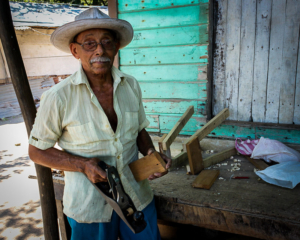 The connection between poverty and mental health in Costa Rica perpetuates hardship for individuals. Mental, neurological, substance-use disorders and suicide cause 22% of all disability and 35% of all years lived with disability in Costa Rica. These trends necessitate the need to investigate the ways in which impoverished people’s mental health is affected in Costa Rica and to provide suggestions for resolving these issues.
Mental Health in Costa Rica
- Limited Access to Mental Health Services: Individuals living in poverty in Costa Rica meet a gross degree of obstruction in endeavoring to access mental health care. The World Health Organization reports that there is a critical lack of psychiatrists and psychologists in rural Costa Rica. Inadequate access to mental health care derails existing mental health problems. It discourages or disallows people from getting the help they need. This highlights the need for the government of Costa Rica to prioritize access to mental health care, especially in rural and remote communities. Telemedicine projects, upgrades to existing facilities and the recruitment of more mental health specialists represent potential necessary steps in this direction.
- Social Stigma and Discrimination: Mental health-related stigma and prejudice are pervasive in Costa Rican culture. Because of the country’s economic condition, people living in poverty frequently experience added stigma, and this leads to increasingly isolated conditions and a lack of necessary social support. People’s mental health problems stay unchecked and untreated because of this stigma. On the bright side, community-based organizations and support groups provide welcoming environments free from criticism where people can safely share their stories and receive help. A government-led initiative in Costa Rica, under the direction of the PAHO/WHO national office, promoted primary health care (PHC)-led, universally accessible recovery program during the COVID-19 pandemic. Enhancing mental well-being, combating gender-based violence and providing comprehensive support for individuals with chronic health conditions are three key areas identified for targeted intervention through PHC, with a particular emphasis on underserved communities. This helped to alleviate social stigma towards mental illness and showed the government’s interest in reducing the burden of social stigma on those facing mental health difficulties.
- Financial Strain and Anxiety: People in Costa Rica who are already struggling financially experience a greater degree of stress and anxiety. Several factors counterbalanced the benefits of economic growth over the past decade. Income generation opportunities for less-educated workers eroded in virtually all sectors, population aging led to an increasing dependency ratio in many households and labor force participation rates of women continued to be among the lowest in Costa Rica. The contribution of labor to household income declined, especially in the poorest quintile, from over 70% in 2010 to about 55% in 2021, indicating a dramatic change. Inadequate housing, a lack of financial stability and restricted access to quality education and medical treatment all play a role in perpetuating the cycle of mental decay in Costa Rica. When adequate resources are afforded to expand access to high-quality education, health care and work, financial stress and anxiety may be alleviated among those living in poverty. Countries such as Canada are providing financial support to countries that need help in the creation of community-based organizations. The Canada Fund for Local Initiatives (CFLI) aids Costa Rica, Nicaragua and Honduras. It financially supports impactful, small-scale projects aligned with Global Affairs Canada’s priority areas. CFLI focuses on directing funding to local civil society organizations, NGOs and institutions, fostering human rights and inclusivity in communities.
- Lack of Social Support: Various socioeconomic variables contribute to the fact that people living in poverty often lack a solid support system. Fewer social connections means more isolation, pessimism and the possibility of mental health issues. Those in need of emotional support and direction may find it via community-based support networks, including mentoring programs, support groups and peer counseling. Establishing and sustaining these kinds of support networks requires close cooperation between government agencies, nonprofit groups and community leaders. A nationally accredited nonprofit group that has served a remote town in Costa Rica since 2005 has brought social support to underprivileged citizens in that area. CEPIA empowers underprivileged children, teens, families and adults in Guanacaste’s coastal communities through culture, education, employment, health and social cohesion programs. In addition, in 2015, President Luis Guillermo Solís initiated a poverty-reduction plan. It aimed to uplift 54,600 families from extreme poverty through various forms of assistance such as housing, food subsidies, health insurance, pensions, training and scholarships.
- Abuse of Substances: Poverty and drug abuse exacerbate the country’s already severe mental health crisis. Unfortunately, substance abuse may be both a cause and effect of economic hardship. It perpetuates a cycle that has a negative impact on mental health. As a result, Costa Rica currently implements drug demand reduction policies covering health promotion, prevention, intervention, treatment, rehabilitation and social integration. These efforts, in line with the Hemispheric Plan of Action on Drugs, aim to minimize the negative health and social impacts of substance abuse through comprehensive and balanced approaches.
Responses and Ongoing Efforts
Prominent organizations in Costa Rica, like the Costa Rican Humanitarian Foundation (CRHF) and the International Federation of the Red Cross, drive positive change. The CRHF tackles social issues creatively and affordably, promoting friendship, aid and resources across cultures and socioeconomic classes. The Red Cross aids Costa Rica in responding to crises, building resilience and addressing pressing humanitarian concerns. These organizations work to combat social and economic hardship and to support the basic needs of Costa Ricans.
Concluding Thoughts
Limited access to mental health services, discrimination, financial strain, lack of social support and substance abuse have an impact on mental health in Costa Rica. Although the problems still exist, progress is being made throughout the nation to address the situation. The government of Costa Rica has limited funding in regard to its National Mental Health Plan. However, several government initiatives have shown a positive side to mental health in the nation. Through sustained investment and economic growth, poverty rates dropped significantly, from 32% in 1991 to 18% in 2003. Additionally, during the same time frame, extreme poverty dropped from 12% to 5%. Ultimately, while there is still room for work and progress, the positive trends so far continue to have a real impact on the lives of the people of Costa Rica, signaling a healthier future for all.
– Valentina Ornelas
Photo: Flickr
