5 Ethical Farming Campaigns Everyone Should Know
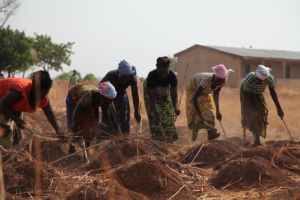 The Fairtrade label is a mark of ethically sourced products. Established in 1992, Fairtrade International works with more than 1.7 million farmers and laborers across more than 73 countries to help them secure fair prices for their crops, among other endeavors. Several Fairtrade campaigns aim to uphold the rights of farmers in developing countries.
5 Ethical Farming Campaigns
- The Living Incomes Campaign. Fairtrade certification on cocoa products does not guarantee farmers a living income, especially when the global price of cocoa falls, as it frequently does. A Fairtrade report from 2019, “Craving a Change in Chocolate,” found that the average income for cocoa farmers in Ghana stood at around a dollar a day, which is less than 50% of a living income, defined as enough to cover both farming costs and living essentials for a household. The U.K. Fairtrade Foundation launched the Living Incomes Campaign in 2019 to address the issue. The public campaign called on the government and chocolate industry to secure a living wage for the millions of families worldwide whose livelihoods depend on cocoa production. In addition to the usual income for their products and labor, farming co-operatives partnering with Fairtrade International receive a Fairtrade premium, “an extra sum of money paid on top of the selling price that farmers or workers invest in projects of their choice,” according to Fairtrade International. Over the last five years, Fairtrade cocoa farming co-operatives have received more than £107 million (about $133 million) worth of Fairtrade premiums to put toward projects to improve their businesses and local communities.
- Fairtrade Flowers. Many of the flowers sold by major florists come from farms in Latin America and East Africa where employees, mostly women, often work in hazardous conditions and endure exploitation, discrimination and even sexual abuse. On Fairtrade flower farms, however, employees work in good working conditions with a “Fairtrade floor wage,” meaning wages must be higher than the international poverty line, even if that wage is higher than the local minimum. Workers are also empowered to decide how their farms’ Fairtrade premium is invested. By consciously choosing to purchase Fairtrade flowers, one can ensure employees in the flower industry have safer working environments, fair working terms and job security.
- Fairtrade Campaigns to Address Impacts of Extreme Weather Patterns. Farmers in developing countries across the world are experiencing recurrent extreme weather events, which impact income and food security. The Great Big Green Week in the U.K. is a gathering of supporters to show solidarity with farmers who are taking action to reduce the impacts of extreme weather patterns and establish climate resilience. This Fairtrade movement of supporters also calls on the U.K. government to provide funding to support these efforts of farmers and take greater action to address the issue of extreme weather events. This year’s Great Big Green Week will take place between June 10 to June 18, 2023 and involves several initiatives and efforts to take action and raise awareness. One can also get involved by signing a Community Declaration to call on the government to take action.
- Fairtrade Fortnight. The annual Fairtrade Fortnight, a two-week celebration of Fairtrade’s work, took place in the U.K. from February 27 to March 12, 2023. To mark the event, Fairtrade commissioned sustainability consultancy 3Keel to research the threats posed by extreme weather patterns to some of the U.K.’s best-loved food products, such as bananas, coffee and cocoa, sourced from developing countries. On February 28, 2023, the U.K. Fairtrade Foundation opened an “immersive retail space” called the Endangered Aisle on Shoreditch High Street, London. The pop-up event aimed to convey the need to protect the U.K.’s favorite foods and highlight the tangible actions that consumers can take to help out. Fairtrade also held seven online Big Fairtrade Get Togethers. Free of charge, these “Get Togethers” offered supporters the chance to hear experts and Fairtrade farmers discuss how to ensure a sustainable future for the U.K.’s favorite international foods.
- Fairtrade Communities. Over the course of the Fairtrade Fortnight, local Fairtrade communities organized more than 600 events across the U.K. Recognized since 2003, Fairtrade Community Groups consist of local people who care about improving the lives of low-income producers. Through local activism, these groups aim to encourage the sale of Fairtrade products, advocate for the Fairtrade cause with local politicians and spread awareness in schools, businesses and places of worship. The U.K.’s Fairtrade Foundation announced that this spring it will introduce a new online campaigning platform to facilitate Fairtrade campaigns and make it easier for new members to join the local Fairtrade community.
Looking Ahead
So many of the world’s favorite commodities depend on the work of farmers and employees in developing countries. By supporting ethical farming campaigns, one can ensure fair pay and decent working conditions for these workers and contribute to the establishment of a more sustainable global system of farming.
– Samuel Chambers
Photo: Flickr
