Poverty and Agriculture in Zimbabwe
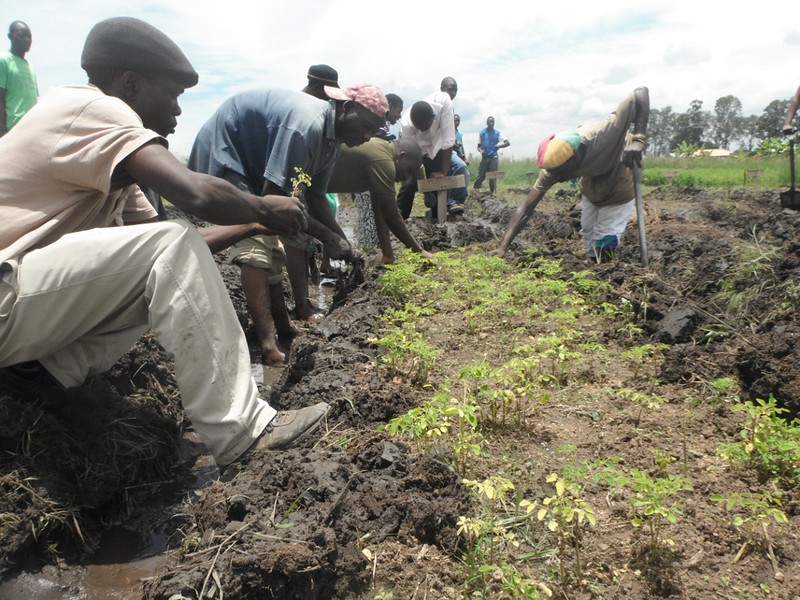 Zimbabwe, a landlocked country in southern Africa, has a long history of agriculture and is home to some of the most fertile land in Africa. However, poverty and agriculture in Zimbabwe have long been intertwined, with many smallholder farmers struggling to make ends meet.
Poverty and Agriculture in Zimbabwe
The World Bank reports that Zimbabwe currently faces a poverty headcount ratio of 39.8% at the national poverty lines, with numerous rural households relying on subsistence farming as their main source of income. Despite these circumstances, the country has the potential to emerge as a significant food producer due to its fertile land and favorable climate conditions.
One of the most prominent challenges for agriculture in Zimbabwe is the limited access to credit and technical assistance. Many small-scale farmers lack the necessary resources and knowledge to invest in their farms and improve productivity. A study published in the Journal of Economic and International Finance reveals that Zimbabwean banks have consistently maintained relatively small agricultural loan portfolios, representing merely 10% to 25% of the total loan books since the country’s current multi-currency system kicked off in 2009. Consequently, this limited access to credit curtails the farmers’ ability to invest in agricultural endeavors and enhance yields.
Additionally, climate change presents barriers for Zimbabwean farmers. Droughts and floods are increasingly afflicting the country, leaving farmers ill-equipped to adapt to these shifting conditions due to limited resources and knowledge. As a result, many farmers have to abandon their crops and rely on food aid for survival.
Efforts to End Poverty in Zimbabwean Agriculture
Despite the many challenges, there are ongoing efforts aiming to address the issue of poverty in the Zimbabwean agricultural sector. The Food and Agriculture Organization (FAO) actively contributes to the Zimbabwe United Nations Development Assistance Framework (ZUNDAF) by focusing on three priority areas aligned with the Sustainable Development Goals (SDGs). These priorities encompass strengthening policy and institutional frameworks, enhancing agricultural productivity and competitiveness, bolstering resilience and the adoption of climate-smart agriculture.
The FAO supports these efforts through several initiatives, including policy formulation, capacity development, irrigation schemes, livestock programs, reduction of post-harvest losses, ensuring food safety, managing climate risks, natural resource management and establishing early warning systems. Collaborations with public and private sectors, non-governmental organizations, community-based organizations and donors further promote community resilience and advocate climate-smart agriculture.
Another example is the Zimbabwe Pfumvudza Programme. Under the leadership of the Ministry of Lands, Agriculture, Fisheries, Water and Rural Development, the Zimbabwe Pfumvudza Programme aims to assist vulnerable households in maize, sunflower, small grains and soya bean production. The program supplies standardized input packages, such as 3kg of seed, 50kg of basal fertilizers and 50kg of top dressing fertilizers, sufficient for a 0.125 ha plot. Also, it actively promotes Conservation Agriculture Principles (CA) to address climate-related challenges.
Looking Ahead
Agriculture currently accounts for a substantial portion of the Zimbabwean GDP (17%) and employs a significant percentage of the population (60-70%). By investing in agriculture, Zimbabwe has the potential to generate employment opportunities and stimulate economic growth in both rural and urban areas.
Despite the challenges facing Zimbabwean farmers, there are reasons to be optimistic about the future. For example, efforts to promote agricultural development are gaining momentum, and there is growing recognition of the importance of agriculture in promoting economic growth and reducing poverty.
– Amber Kim
Photo: Flickr
