Heart Disease Among Syrian Refugees
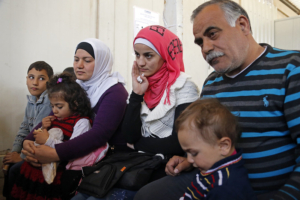 Cardiovascular diseases (CVDs) are some of the most prevalent threats to global health. This is certainly the case for vulnerable populations, especially refugees and other migrant groups. Heart disease affects Syrian refugees in particular at a significantly high rate. These asylum seekers face overwhelming poverty and a variety of other risk factors that contribute to these illnesses across multiple countries, particularly in places like Jordan and Lebanon. Several international organizations, such as Doctors Without Borders, continue to tackle this issue, although it still persists and poses a serious public health threat to those in these communities.
Prevalence of CVDs
Although CVDs are a real threat to all people globally, they can tend to affect certain demographics more than others. Heart disease in Syrian refugees is a cause for concern for a number of reasons. According to Wasim Maziak and others, the morbidity rate for CVD among Syrians is about 4.8%, with the mortality rate being 179 per 100,000.
The impacts of CVD in Syrian refugee communities are greater due to increased risk factors. These include but are not limited to hypertension, high blood pressure, obesity, diabetes, firsthand and secondhand smoking and unhealthy eating habits. A 2019 study by the Boston College medical journal Annals of Global Health found strong correlations between cases of CVD and these risk factors in Syrian refugees living in Jordan. Of the nearly 1,000 patients they surveyed at Jordan University Hospital, about 60% had high blood pressure and 31% suffered from diabetes. Additionally, 24% were chronic smokers.
Lack of treatment was also a significant issue for these patients. According to the study, “treatment was offered to 489 patients (49.5%), but only 322 (65.8% of treatment offered and 33.2% of referrals) of them received the intended treatment.” Partly due to the lack of care for over half the Syrian refugee patients, 3% of them died and about half never had follow-up appointments during the timeframe of the study. The study also found that about 13% of the patients who were referred to specialists “were denied any funding,” which primarily came from the Jordanian government and the UN, as well as other charity groups and NGOs.
Risk Factor Causes
One of the possible explanations for why CVD risk factors are so high for Syrian refugees is because of their repeated exposure to conflict and trauma. For over a decade, Syrians have struggled with a violent civil war that has forced over 14 million people to flee the country since 2011. These refugees have been confronted with many traumatic events, including the loss of loved ones. Such trauma can greatly increase risk factors for CVD. As the American Heart Association (AHA) reveals that stress, especially chronic stress, “may lead to high blood pressure, which can pose a risk for heart attack and stroke. Stress also may contribute to such cardiovascular disease risks as smoking, overeating and lack of physical activity.”
This stress comes at even higher levels for Syrian refugees, who have to deal not only with the traumas of the past but also the great challenges they face in starting a new life in a foreign country. The challenges involve not only the struggles of assimilating into another society but also the struggles of overcoming poverty. For example, the U.N. reports that in Lebanon, 90% of the Syrian refugees in the country are “reliant on humanitarian assistance to survive.” Syrian refugees in Turkey also face challenges in meeting their basic needs, as about 90% are reportedly unable to do so.
Preventative Measures
Clearly, heart disease affects Syrian refugees at high rates due to a variety of risk factors such as trauma, displacement and poverty. In responding to this public health crisis, organizations such as Doctors Without Borders (MSF) have prioritized providing free health care to thousands of Syrian refugees in need. MSF’s chronic disease treatment program has provided consultations and treatment for nearly 4,000 Syrian refugees in Jordan over the span of nearly a decade. This includes “treatment for hypertension, diabetes, asthma, cardiovascular diseases and chronic obstructive pulmonary diseases.”
Looking Ahead
The work of humanitarian organizations such as MSF can play a significant role in reducing the rates of CVD among Syrian refugees. Poverty not only leads to increased stress and, therefore, increased risk of CVD but also inhibits access to health care. By providing free medical services to these vulnerable communities, MSF and other non-governmental organizations (NGOs) are actively alleviating one of the most significant public health crises facing Syrian refugees.
– Adam Cvik
Photo: Flickr
