The State of Water in the Nile River
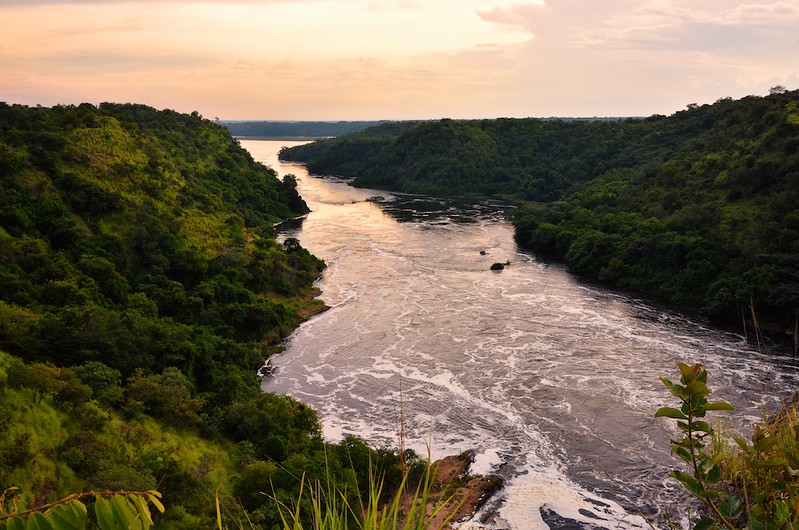 The Nile, stretching 4,132 miles, is Africa’s longest river, running through 11 countries, including Egypt, the Democratic Republic of Congo, Tanzania, Kenya, Uganda and Sudan. It is an important water source for millions of people in Africa. Unfortunately, the river is subject to pollution, which poses a significant threat to those living in the countries that depend on it for water. The poor state of water in the Nile River is an issue that threatens the health and well-being of those living near its basin.
The Economic Significance of the Nile River
The Nile River is a vital source of economic activity in many African countries, particularly those in the Nile Basin region. The river supports various economic sectors, including agriculture, fishing, transportation and tourism. Agriculture remains a crucial sector for many African countries, particularly Egypt, Sudan and Ethiopia and water in the Nile River serves as a dependable source for irrigation. Farmers are able to cultivate crops year-round and, as a result, agriculture employs a significant percentage of the population.
In Egypt, the agriculture sector provides 28% of jobs and in Sudan, it employs 43% of the population. As of 2020, 75% of employed Ethiopians worked in the agriculture sector. Even though the Nile contains harmful pathogens and pollutants, it provides water and a means of livelihood for more than 200 million people. Inhabitants of the Nile region use the water for drinking, washing and cooking. People also engage in farming in the Nile Basin, growing crops like wheat, corn, banana and sweet potato.
Fishing in the Nile River provides employment for thousands of people. In addition, the industry contributes to the local economy through fish exportation. The river is also a major transportation route in many parts of Africa, and it also supports tourism in some African countries, including Egypt and Uganda.
The Nile River and its Impact on Poverty
Access to clean water in the Nile River remains a significant challenge, with agricultural activities involving pesticides and fertilizers contributing to the pollution problem. These chemicals can enter the river through runoff and irrigation, which can harm aquatic life and affect water quality. Alongside farming activities, the raw sewage and other waste products from industries and manufacturers go directly into the river. The harmful bacteria, viruses and other contaminants in the water can cause cholera, typhoid fever, hepatitis, poliovirus and other waterborne disease. In turn, this can result in the endangerment of agricultural productivity and contribute to poverty.
Moreover, in recent years, water scarcity has become an increasing concern in the region. In 2020, Ethan D. Coffee and Justin S. Mankin reported that more than 30% of the people in the region could face water scarcity by 2040. This translates into more than 80 million people who may not be able to access water. This could also limit agricultural and fishing industries while decreasing labor employment.
Minimizing the Nile’s Impact on Poverty
The year 2021 marked a significant milestone in Egypt as the Bahr al-Baqar wastewater treatment plant commenced operations in the northern city of Sinai. Renowned as one of the most expansive wastewater treatment facilities globally, this plant possesses an impressive capacity to treat 5 million cubic meters of wastewater daily—equivalent to the water consumed in 140 million showers.
Aiming to tackle the multifaceted challenges affecting the Nile Basin, Egypt-based social enterprise Bassita launched the VeryNile project in 2018. This initiative focuses on enhancing water management practices. Its primary objective is to reduce poverty and foster economic growth within the Nile River Basin. The VeryNile project progresses in four key directions: cleaning, recycling, prevention and social impact.
Looking Ahead
While the issue of clean water in the Nile River remains unresolved, the ongoing initiatives could help avert more crises. Ultimately, initiatives like the VeryNile project that prioritizes promoting sustainable development practices and empowering local communities to participate in water management processes can potentially bring the tides of progress and lasting change.
– Anna Konovalenko
Photo: Flickr
