• Link to X
  • Link to Facebook
  • Link to Instagram
  • Link to TikTok
  • Link to Youtube
  • About
    • About Us
      • President
      • Board of Directors
      • Board of Advisors
      • Financials
      • Our Methodology
      • Success Tracker
      • Contact
  • Act Now
    • 30 Ways to Help
      • Email Congress
      • Call Congress
      • Volunteer
      • Courses & Certificates
      • Be a Donor
    • Internships
      • In-Office Internships
      • Remote Internships
    • Legislation
      • Politics 101
  • The Blog
  • The Podcast
  • Magazine
  • Donate
  • Click to open the search input field Click to open the search input field Search
  • Menu Menu
Blog - Latest News
Global Poverty

The Impact of COVID-19 on Poverty in Senegal 
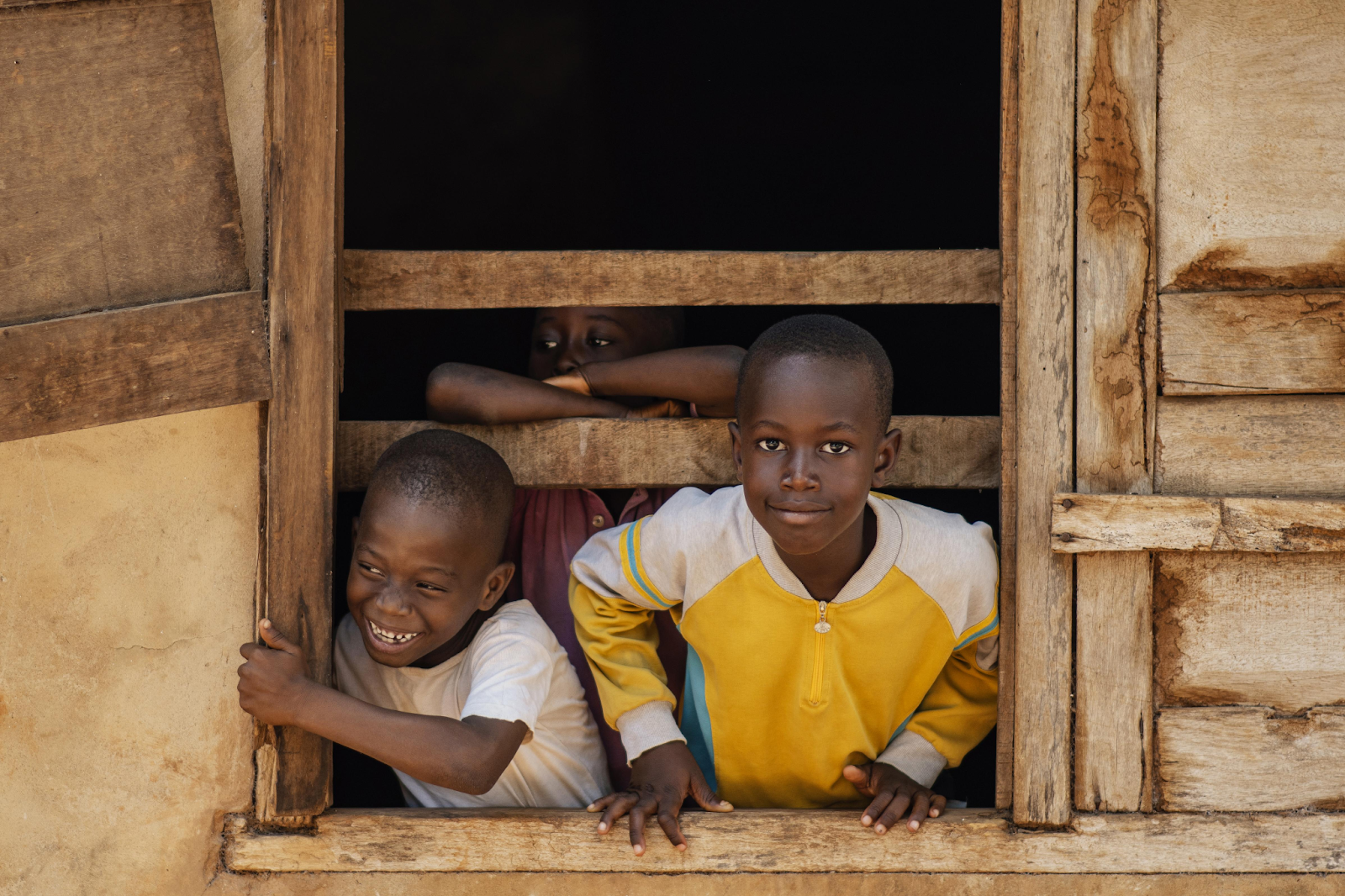
In March 2020, Senegal began dealing with the onset of the COVID-19 pandemic and its resulting socioeconomic issues. Overall, the impact of COVID-19 on poverty in Senegal can be seen in a number of ways. The country’s urban population living in slums was 35% in 2018, with an average GDP per capita of $1,484. However, in 2021, reports indicated an estimated urban population living in slums of 32%, with an average GDP per capita of $1,636.9.

Impact on Business

The transportation and hospitality sectors recorded the highest monthly income loss. According to records, the entire transport sector, including air, land and water recorded an estimated $11 million loss monthly. This was a result of decreasing tourism levels caused by restrictions. After the lifting of restrictions, these rates started rising. The World Bank is projecting GDP growth of 10.5% in 2024, the highest yearly growth in the history of Senegal.

Impact on Employment

From March to May 2020 and again after the second wave of COVID-19 in early 2021, employment in Senegal suffered greatly, causing the unemployment rate to reach an all-time high. Studies on the gender impacts of the pandemic showed that Senegalese women suffered more than men. As many as 72% of domestic workers were unemployed during and after the pandemic, with 80% of them being female. Moreover, 81.7% of the working population in the heavily female-dominated informal sector, which comprises below-minimum wage employment such as farming and industry work, was affected severely by the closure of foreign trading.

According to the BTI project, the unemployment rate was 6.68% during the pandemic. The data revealed that those already living in poverty suffered more than those that were not. Reports suggested that the national unemployment rate during COVID-19 in 2020 was around 3.5%, while studies in 2019 reported an unemployment rate of 2.9% nationwide.

Recovery Process

Lifting all restrictions on business mobility marked the beginning of progress in the recovery of Senegal’s economy. On June 19, 2020, the World Bank pledged $100 million to support the economic impacts, with the aim of protecting the lives of the most vulnerable groups.

Even after the pandemic, foreign investment in Senegal is at an all-time high. The government has set targets to achieve by 2035, including a GDP growth rate of 8%, a GDP per capita of $1,500 and the creation of 600,000 new formal jobs.

The United Nations (U.N.) has supported the country’s socioeconomic recovery as well as the government’s emergency program for youth employment and development. It also has other ongoing programs such as the campaign for equal access to vaccines and the “United Nations Framework for the Immediate Socioeconomic Response to COVID-19” that aim to support the population.

Looking Ahead

Foreign aid initiatives and government interventions have played vital roles in lessening the impact of  COVID-19 on poverty in Senegal. Although high poverty and unemployment rates remain issues in the country, the results from ongoing efforts indicate that there’s hope for more progress and positive change.

– Joshua Rogers
Photo: Flickr

May 9, 2023
Share this entry
  • Share on Facebook
  • Share on X
  • Share on WhatsApp
  • Share on Pinterest
  • Share on LinkedIn
  • Share on Tumblr
  • Share on Vk
  • Share on Reddit
  • Share by Mail
https://borgenproject.org/wp-content/uploads/borgen-project-logo.svg 0 0 Jennifer Philipp https://borgenproject.org/wp-content/uploads/borgen-project-logo.svg Jennifer Philipp2023-05-09 01:30:302023-05-07 14:03:56The Impact of COVID-19 on Poverty in Senegal 

Get Smarter

  • Global Poverty 101
  • Global Poverty… The Good News
  • Global Poverty & U.S. Jobs
  • Global Poverty and National Security
  • Innovative Solutions to Poverty
  • Global Poverty & Aid FAQ’s
Search Search

Take Action

  • Call Congress
  • Email Congress
  • Donate
  • 30 Ways to Help
  • Volunteer Ops
  • Internships
  • Courses & Certificates
  • The Podcast
Borgen Project

“The Borgen Project is an incredible nonprofit organization that is addressing poverty and hunger and working towards ending them.”

-The Huffington Post

Inside The Borgen Project

  • Contact
  • About
  • Financials
  • President
  • Board of Directors
  • Board of Advisors

International Links

  • UK Email Parliament
  • UK Donate
  • Canada Email Parliament

Get Smarter

  • Global Poverty 101
  • Global Poverty… The Good News
  • Global Poverty & U.S. Jobs
  • Global Poverty and National Security
  • Innovative Solutions to Poverty
  • Global Poverty & Aid FAQ’s

Ways to Help

  • Call Congress
  • Email Congress
  • Donate
  • 30 Ways to Help
  • Volunteer Ops
  • Internships
  • Courses & Certificates
  • The Podcast
Link to: Everything To Know About Hunger in the Philippines Link to: Everything To Know About Hunger in the Philippines Everything To Know About Hunger in the Philippines Link to: How Bamboo Farming in Uganda Reduces Poverty Link to: How Bamboo Farming in Uganda Reduces Poverty How Bamboo Farming in Uganda Reduces Poverty
Scroll to top Scroll to top Scroll to top