Soil Erosion’s Threat to Indian Agriculture
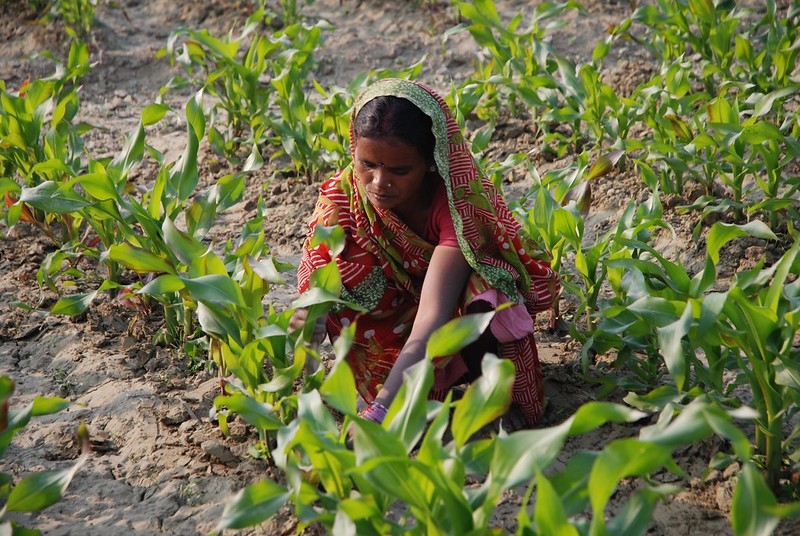 Globally, soil erosion is threatening to reduce the availability of soil suitable for agriculture in the upcoming decades. In India, the rate of soil erosion is particularly alarming. As of 2017, the country saw an average soil erosion rate of 16.35 tonnes per hectare per year, a rate significantly higher than the 2020 global average of just 2.4 tonnes per hectare per year. As a result, soil erosion poses a great threat to India’s agricultural sector and economy as a whole.
Though a natural phenomenon to some extent, soil erosion has drastically increased as a result of activities that involve intensive agriculture, land use changes and deforestation. According to the United Nations Food and Agriculture Organization (FAO), such activities have accelerated the rate of soil erosion by as much as 1,000-fold. Integral to the health of global ecosystems, soil supports all life, facilitating the growth of plants, providing vital nutrients and housing billions of microorganisms upon which all humans and environments rely. The consequences of soil erosion include reduced agricultural productivity, degraded ecosystems and reduced biodiversity. Furthermore, it can contribute to landslides, floods and other natural disasters and, ultimately, displace human populations.
Causes of Soil Erosion in India
In India, areas with steep slopes and heavy rainfall are particularly prone to soil erosion, as are areas with strong and persistent winds. Such factors heighten the risk of rapidly losing large amounts of soil. Since the start of the 20th century, increased demand for food production in India has resulted in the widespread use of intensive farming practices that do not prioritize soil health and conservation. Although intensive agriculture produces the highest possible yields for the lowest cost while maximizing profits and reducing the price of food products, it is not sustainable. Large amounts of synthetic fertilizers and pesticides not only pollute water and air but also degrade the soil. Additionally, intensive agriculture applies crop irrigation practices that account for some 70% of global human consumption of freshwater.
Possible Solutions
With around 58% of the population employed in the agricultural sector, agriculture is the leading source of livelihood in India. The Indian Government has recognized the need to prevent soil erosion and protect the country’s remaining soils by encouraging sustainable farming practices. For example, crop rotation can help soils remain fertile because different plants drain the soil of different nutrients. Also, planting certain crops can also help heavily degraded soils recover, facilitating the restoration of healthy soils with sufficient nutrient levels.
Looking Forward
While it is clear that there is still room for work with respect to protecting India’s soils and ensuring the sustainability of its key industry, the country continues to make steps toward progress. In the 1950s, the Indian Government began introducing regulations and projects to address the growing concern of soil loss. More recently, Soil Health Card Schemes is promoting the use of appropriate amounts of fertilizer to reduce soil harm and educate farmers on sustainable soil practices. In 2022, the Indian Prime Minister also reinforced the “Save Soil Movement,” which focuses on making the soil chemical-free, saving its living organisms, maintaining its moisture, reversing the damage caused by a decrease in groundwater and stopping soil erosion due to deforestation. Despite the severity of the situation, a continuation of the current strategies and ongoing efforts to identify other innovative strategies could minimize the threat that soil erosion poses to Indian agriculture.
– Hannah Naylor
Photo: Flickr
