Efforts to Address HIV/AIDS in Ghana
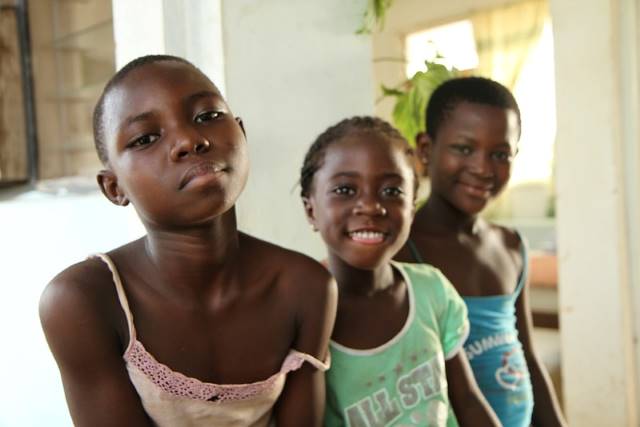 The Ghana AIDS Commission reports that 346,120 people are living with HIV/AIDS in Ghana. The HIV prevalence rate stood at 1.7% among people aged 15-49 in 2021, the World Bank says, marking a steady decrease since 2000. However, infections among females are almost double the rate of infections among males. Organizations are committed to reducing the number of people infected with HIV/AIDS in Ghana.
HIV/AIDS and Poverty
HIV and poverty have a two-way connection. Conditions of poverty increase the risk of contracting HIV and HIV contributes to the condition of living in poverty. According to the International Labour Office, “Poverty also drives girls and women to exchange sex for food and to resort to sex work for survival when they are excluded from formal sector employment and all other work options are too low-paying to cover their basic needs.”
HIV/AIDS can also push people into poverty due to the expense of medical care/treatment. “HIV/AIDS causes impoverishment when working-age adults in poor households become ill and need treatment and care because income is lost when the earners are no longer able to work,” the ILO explains. Losses of human capital and reductions in the labor force also slow a country’s economic growth.
The far-reaching impacts of HIV/AIDS show that the epidemic stands as a significant obstacle to poverty reduction and progress toward the 17 Sustainable Development Goals, particularly in the poorest countries.
Ghana’s Progress
In 2020, UNAIDS announced a new set of targets for countries to strive toward in the fight against HIV/AIDS. The goals, with a target date of 2025, aim for “95% of all people living with HIV to know their HIV status, 95% of all people with diagnosed HIV infection to receive sustained antiretroviral therapy and 95% of all people receiving antiretroviral therapy to have viral suppression.”
According to the Ghana Aids Commission, currently, 71% of individuals living with HIV are aware of their status, 99% of HIV-positive individuals are on sustained antiretroviral treatment and 79% of those individuals have achieved viral suppression. With just two years to go, significant action is necessary to ensure that Ghana meets these goals.
A Differentiated Service Delivery (DSD) Approach
According to the World Health Organization, Ghana is working toward these UNAIDS goals with the use of a Differentiated Service Delivery (DSD) approach. This person-centered approach adapts health services for people with HIV/AIDS so that service delivery is improved and the health care system does not become overburdened.
For example, a “multi-month dispensing approach” can allow virally suppressed patients to receive their medications for multiple months at a time. This lowers the workload of health workers as patients need to visit less frequently and also saves patients from making multiple trips to the clinic.
The implementation of the DSD approach has seen positive results. For example, Kpone Polyclinic in Ghana has increased its success rate of providing ART from 85% to 99% in just one year as of March 2023.
PEPFAR’s Efforts
The U.S. President’s Emergency Plan for AIDS Relief (PEPFAR) has worked in Ghana for 20 years. Over the last 14 years, PEPFAR has invested $140 million in efforts to address HIV/AIDS in Ghana. PEPFAR Ghana supports community organizations in dissolving stigmas surrounding the disease, encouraging people to undergo HIV testing and for infected individuals to begin a treatment program promptly.
Looking Forward
Ghana aims to achieve universal health care. Its vision for 2030 is for all of the country’s people to have “timely access to high-quality health services irrespective of their ability to pay at the point of use.” Although conditions in Ghana are improving, large gaps are still present in the control of HIV/AIDS in Ghana. With the continued assistance from supporting countries and ongoing work in Ghana, incidents of HIV/AIDS in Ghana can reduce along with poverty.
– Leah Smith
Photo: Flickr
