6 Facts About Health Care in the Central African Republic
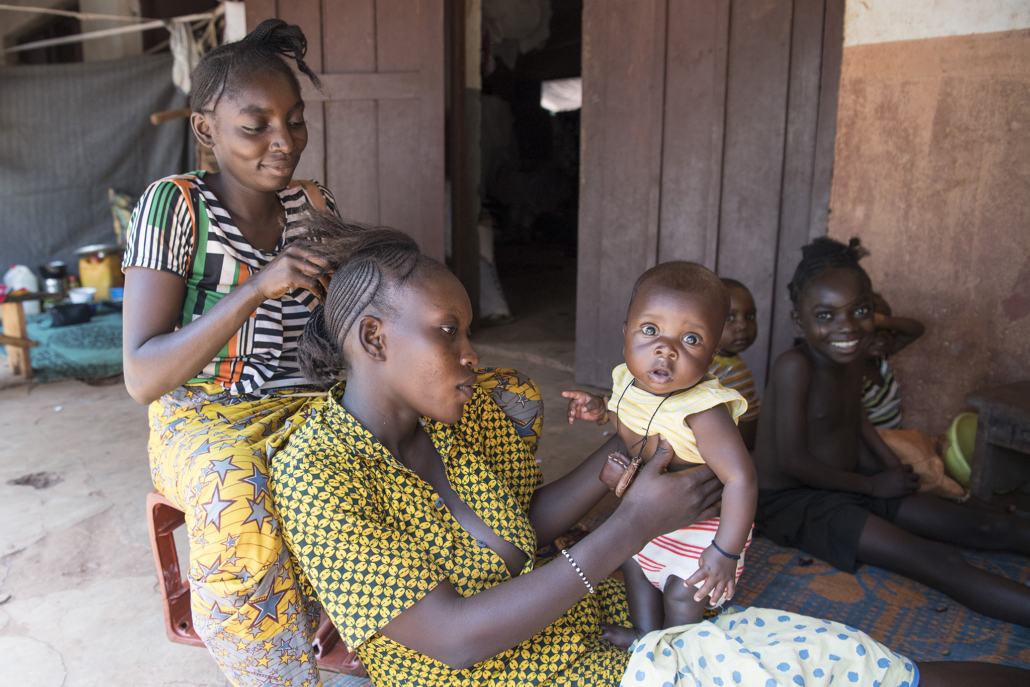
The Central African Republic (CAR) is a sub-Saharan nation comprising a population of approximately 5.5 million. Its capital is Bangui. Similar to many regions of Africa, the country has poor health care with limited access to clean water and sanitary spaces. Health care in the Central African Republic is in an extremely poor state with the country having a life expectancy of just 55 in 2020. Here are six facts about health and health care in the Central African Republic.
1. Diseases
Common diseases in Africa such as malaria, yellow fever and diarrheal-related diseases exist in CAR. Tropical diseases spread easily through the country with insufficient medical resources. The National Library of Medicine shows that malaria accounts for 40% of all illnesses in the country.
Yellow fever is also prominent in the country, as with much of north and central Africa. Although some action has occurred in the roll-outs of vaccines, with a 2021 UNICEF statistic illustrating that 41% of the population is vaccinated, the country is still far from reaching the 80% threshold which indicates a country’s immunity.
Diarrheal-related illnesses are similarly frequent, particularly in children. Although organizations such as WaterAid have taken action in the construction of clean water pumps, water insecurity provides a constant risk for the country’s majority. A statistic from the National Library of Medicine shows an average of seven episodes per child per year.
2. Children’s Health Care
Life is especially tough for children living in the Central African Republic. Conflict within the region has left many children homeless and without an education. A 2021 UNICEF statistic illustrates that 370,000 children are internally displaced across the country as a result of widespread violence. Civil unrest in the country has forced children to join armed groups or flee their homes. To aid children’s well-being, UNICEF is introducing community-based interventions to support children’s mental health.
3. Malnutrition
UNICEF also helps children formerly a part of armed groups through programs that reunite them with their families. Malnutrition is also very common among children due to a low intake of healthy food. A statistic from UNICEF predicts that a minimum of 24,000 children under the age of 5 will suffer from acute malnutrition. The Central African Republic has one of the least funded childcare health care programs in the world and continues to struggle with this issue.
4. Access to Sanitation and Clean Water
Similarly to much of Africa, access to clean water remains a serious problem in the present day. Despite charitable efforts to introduce water pumps and sanitary spaces, much of the country, especially rural communities, go without the human right of access to clean water.
A statistic from the United Nations Office for the Coordination of Humanitarian Affairs (OCHA) shows that only 37% of Central Africans have access to clean water. As a result, the majority of its population have exposure to dirty and germ-infected water for their everyday needs including drinking, washing and cooking. As a result of this frequent intake of dirty water, the country suffers from a high rate of water-borne diseases such as typhoid disease and diarrhea.
5. COVID-19
COVID-19 had severe impacts on underdeveloped countries. With a lack of medical knowledge, the virus spread rapidly across CAR with 15,367 cases reported to the World Health Organization (WHO).
As a result of the lockdown and school closures, COVID-19 also increased the frequency of gender-based and child abuse. This has resulted in many people suffering mental health issues and requiring psychosocial help.
6. Hospitals
A key reason for the country’s failing health care system is the extreme lack of hospitals and medical facilities. There is one major hospital located in the capital Bangui and a few more around the country. However, these hospitals are low-staffed and poorly equipped to deal with the high number of patients requiring medical attention. Health care in the Central African Republic lacks so much funding that humanitarian organizations provide 70% of health services within the country.
Solutions
Although the current health care system is failing, with help from charities, hope exists for significantly better health care in the Central African Republic. UNICEF has put projects in place for 2023 to improve the quality of health in the country through a humanitarian approach. UNICEF’s programs prioritize children’s protection and set out to provide 140,000 with psychosocial care. In regard to combatting malnutrition, UNICEF plans to provide 60,000 children with medical treatment for this preventable condition.
In response to the low accessibility of drinking water, Concern Worldwide is conducting a project which plans to construct five water well boreholes in Mobaye town to provide people with safe and germ-free drinking water. Combined with the restoration of five damaged water wells, this project will increase the number of people who have access to clean water in Mobaye town by 50%.
Despite the challenges that the health care system is facing in CAR, several organizations are making a difference regarding its population’s health. Through their continued work, hopefully, health and health care will continue to improve in the Central African Republic.
– Freddie Trevanion
Photo: Flickr
