The Recent Energy Crisis in Pakistan
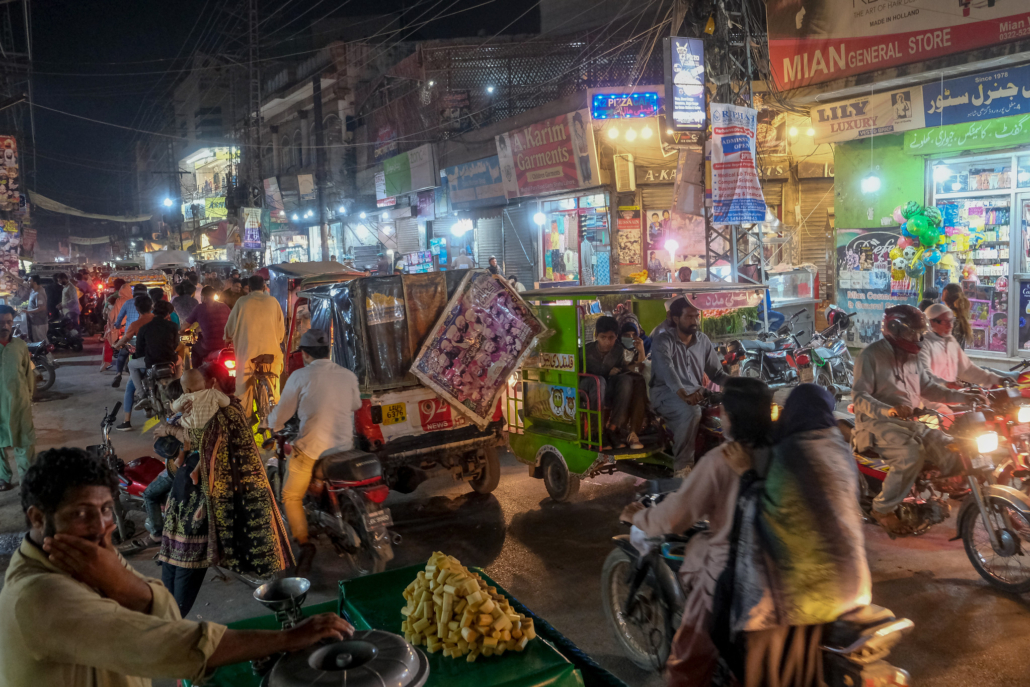
On January 23, 2023, the nation of Pakistan, home to almost 220 million people, fell prey to yet another consequence of its ongoing energy crises. The recent energy crisis in Pakistan left almost all of the population in a complete blackout for more than 20 hours. This is the second major blackout within the last few months and it is another indicator of the poor management of energy crises in Pakistan. At the offset of the crises, the cause of the blackout remains clouded and a major cause for concern.
The Ministry of Energy reported that all energy grids in Pakistan went down at around 7:30 AM on Monday. The Energy Minister of Pakistan, Khurram Dastgir Khan, reported that the major breakdown was due to a voltage fluctuation that occurred in the Sindh province, between the cities of Jamshoro and Dadu, Al Jazeera reported. As a result of this fluctuation, all the power grids in the country shut down one by one, although the Minister still maintained that it “was not a major crisis.” The restoration took almost 24 hours for all 1,112 grid stations, but by then the brunt of the damage had impacted schools, hospitals, businesses and offices nationwide.
Previous Energy Crisis
According to Al Jazeera, the last time an energy crisis in Pakistan occurred to this extent was back in January 2021. Since then there has not been any major improvement when it comes to handling blackouts of this sort. Pakistan is still heavily reliant on oil and natural gas, both of which are its primary sources of energy. There have been recent inroads into the development of sustainable and renewable sources of energy, such as wind and solar PV, however, more than 40 million Pakistanis still lack access to any sort of electricity.
Alongside the overreliance on the poorly managed oil and natural gas industries, Pakistan is also in the midst of a historic economic crisis that is devasting the nation’s infrastructure. The practice of “load-shedding,” periodic electricity cuts by the government, is something the people of Pakistan are well accustomed to however this recent blackout is a testament to the disastrous financial state the country is in. The current government of Pakistan has faced accusations of poor management of the country’s financial situation, one that experts predict may lead to the nation defaulting on its massive foreign debt.
The Lack of Investment
The blame for the recent energy crises in Pakistan also fell on the lack of investment put into the nation’s power grid. The energy minister blamed the previous government for failing to upgrade the power grid. However, due to the ongoing economic crises, funding has seemingly dried up. The International Monetary Fund (IMF) has already bailed Pakistan out five times in the previous 20 years. In addition, as part of China’s Belt and Road Initiative, there have been investments of almost $60 billion in the energy sector, yet the impact of this is unpredictable. This combination of factors is exacerbating an already heightened energy crisis in Pakistan that affects millions of people daily. Many Pakistani residents do not have access to electricity for hours and it is especially devastating for hospitals and schools.
The future of the energy crises in Pakistan remains bleak. The government relies on foreign fuel supplies and is losing more money than it makes. The effect on people is devastating. In Peshawar, with a population of more than 2 million residents, many residents reported not having access to clean water as pumps require electricity to work. Many hospitals nationwide had to switch to backup generators. Going forward, reports have indicated that Pakistan and Russia are cooperating on the oil and gas supply to the country on a large scale. Claims are that it will be a long-term operation, however, only time will tell if the government will be able to rectify the mistakes of the recent energy crises in Pakistan.
– Saad Haque
Photo: Flickr
