Everything You Need to Know About the Hunger Crisis in Haiti
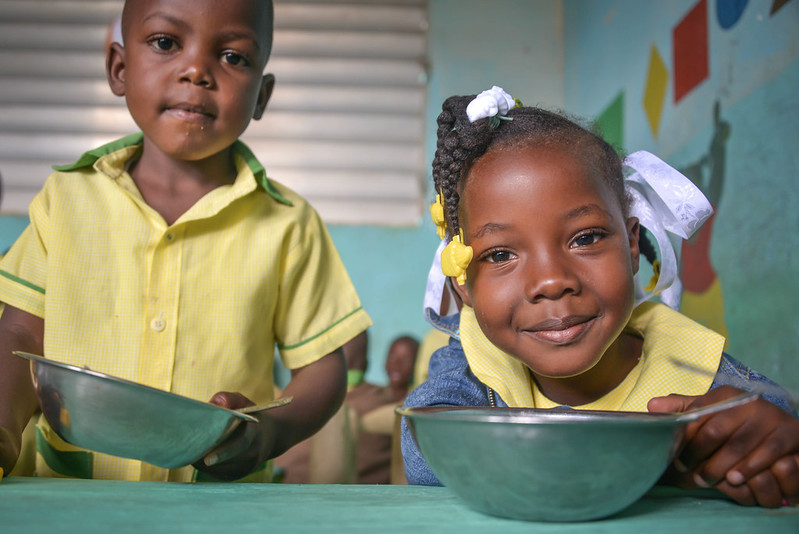 Due to its location and small landmass, Haiti is susceptible to severe natural disasters. Because of this, among other factors, Haiti has long relied on importing food to feed its citizens. For example, Haiti imports 80% of its rice, a staple ingredient in many of Haiti’s traditional dishes, according to the International Trade Administration. This heavy reliance on outside sources of food means Haiti faces a high risk of food insecurity. Political instability, devaluation of the Haitian currency and rising inflation rates have contributed to a hunger crisis in Haiti.
Factors Contributing to the Hunger Crisis in Haiti
On August 14, 2021, a magnitude 7.2 earthquake hit the southern peninsula of Haiti. The earthquake damaged homes, businesses and critical infrastructure. As many Haitians lost their means of earning an income, food insecurity became more pronounced. The United Nations said about 650,000 Haitians needed humanitarian aid in the aftermath of the earthquake.
The supply chain disruptions as a consequence of the COVID-19 pandemic and the Russia-Ukraine war has caused soaring inflation rates in Haiti and across the world. As of July 2022, Haiti had already seen a 26% inflation rate.
The prevalence of gang activity in Haiti, as a consequence of the political instability in the country, also plays a role in the hunger crisis in Haiti. At the moment, gangs control the entrances to the capital of Haiti, Port-au-Prince. The rapidly increasing inflation rate coupled with gangs cutting off the southern peninsula from the capital has led to a steep increase in hunger for the vast majority of impoverished Haitians living in that area of the country.
“The complete blockage of the road leading to the impoverished southern peninsula for a year has cut off at least 3.5 million people from the capital — restricting access to markets, basic services and essential humanitarian assistance,” the World Food Programme (WFP) reported in July 2022. Due to these impacts, some families in this area report only eating once a day.
The southern peninsula also experienced the worst effects of the 2021 earthquake, meaning that this newer food crisis hit while the area was still trying to recover from the last major natural disaster in Haiti.
The Most Vulnerable Groups
About 20% of Haiti’s population is projected to experience crisis levels of acute food insecurity from July 2022 to January 2023, according to the Famine Early Warning Systems Network. Though the crisis affects all Haitians, rural Haitians face harsher impacts. The New Humanitarian reports in a September 2022 article that a single “plate of food already costs the average Haitian 35% of their daily income.” But, the average rural Haitian currently needs to spend 25% more of their daily income on food than the national average.
Children face the worst repercussions of the hunger crisis in Haiti as inadequate supplies of nutritious food affect their growth and development. Malnutrition has far-reaching impacts that affect individuals even in adulthood.
Efforts to Help Reduce Hunger in Haiti
Despite gang violence posing barriers to the delivery of food and other critical resources to those in need, the WFP and other organizations, such as USAID, are working around these barriers. As of August 2022, the WFP, for example, has been utilizing a United Nations Humanitarian Air Service (UNHAS) helicopter, and the WFP’s own ship, the Linda D, in order to bypass the dangerous occupied roads and deliver essentials to those in need.
Additionally, USAID has provided more than $170 million over the last two years to aid Haiti. In terms of the hunger crisis in Haiti specifically, USAID “provided more than $88.6 million to five public international
organizations and 10 non-governmental organizations in FY 2022.” This funding will go toward “cash and in-kind emergency food assistance, as well as nutrition services and agricultural support, to vulnerable households countrywide,” according to a USAID document.
To adequately address food insecurity in Haiti, aid organizations must look toward helping Haiti achieve self-sufficiency and sustainability. With less dependence on food imports and greater focus on agricultural production, Haiti can reduce its hunger woes.
– Chris Dickinson
Photo: Flickr
