Modern Social Systems in Romania
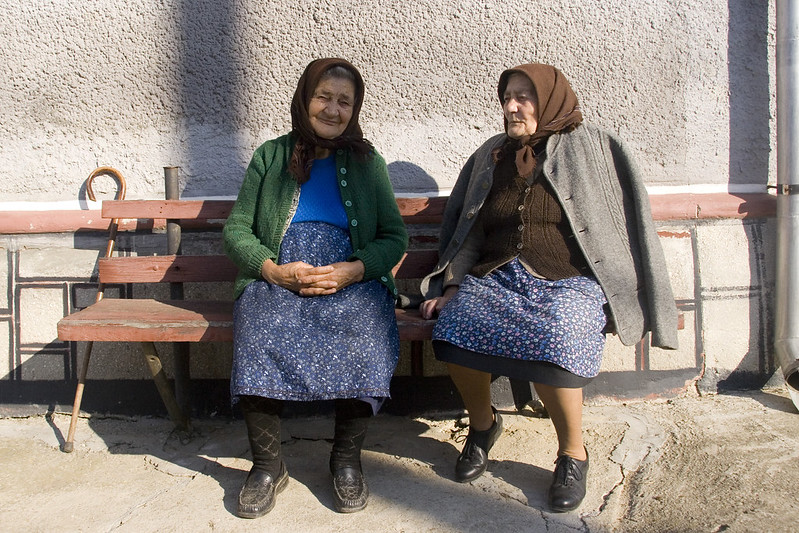
Romania existed under the rule of communist dictator Nicolae Ceauşescu from 1965 to 1989. This regime maintained a highly divisive society that witnessed large levels of economic inequality. During the transition into a post-communist state, Romania placed a heavier emphasis on economic prosperity as the crux of a good democracy as opposed to increased political liberties. Due to large-scale economic structural changes during this period of transition, the nation experienced hyperinflation, the loss of millions of jobs and a significant drop in living conditions. This resulted in social disintegration and distrust, widespread corruption, increasing inequality and high levels of poverty. These ramifications are still visible today in the modern social systems in Romania, or lack thereof, that perpetuate a cycle of poverty.
A Look into Ceauşescu’s Regime
The era of communism saw Romania adopting Soviet policies, reserving ultimate authority to the communist party. This included a focus on heavy industry as opposed to consumer goods, causing mass starvation and higher rates of mortality in the nation. Citizens waited in long lines to receive basic necessities, such as bread and milk, while Ceauşescu built the Palace of the Parliament, currently the second-largest administrative building in the world, to refashion the nation’s capital city. The infamous network of the secret police, or the Securitate, instilled fear and paranoia in the country, infiltrating almost all social settings to suppress any opposition to the communist party.
As resource deprivations became more common and poverty began to affect the privileged classes, people grew more unhappy with the communist regime. The end of this era was more violent than any other communist collapse in Eastern Europe with the assassination of the Ceauşescus being the signifying turning point. The weak and disorganized opposition parties that replaced the dictatorship made for a difficult post-communist transition.
Corruption in Romania Today
The economic transition following the fall of communism in Romania saw multiple collapses with the loss of millions of jobs. This resulted in widespread rates of poverty and corruption. According to Transparency International’s 2021 Corruption Perceptions Index (CPI), Romania is one of the most corrupt countries in the European Union with a score of 45 out of 100, “where[zero] means highly corrupt.”
Modern social systems in Romania do little to counter this and instead further the issues. In the judicial system, “bribes and irregular payments” are commonplace to secure favorable court outcomes. Corruption scandals involving judges, the court’s inconsistency and the lack of experience with a market economy and other systems make the judicial institution unreliable and incredible. Because of this, Romania weakly enforces its anti-corruption laws. Bribes and irregular payments also go toward public services, constituting the primary obstacle to maintaining a functional public administration.
Social Assistance Programs
In 2019, the World Bank reported that 23.4% of Romania’s population lived under the national poverty line poverty. In 2015, BBC News stated that poverty disproportionately impacts the Roma population in several European countries, including Romania. In addition, according to UNICEF in 2021, one in three children in Romania face the danger of “poverty or social exclusion.”
Because of a dysfunctional public administration overrun by corruption, social assistance programs are weak and difficult to access. Several programs give equal assistance regardless of whether one is wealthy or impoverished, allowing some to take advantage of this system. The lack of direct attention to those who are in need in addition to non-transparent bureaucratic procedures prevents these programs from providing real aid.
Romania’s main strategy in combating child poverty has been “child allowances and other social benefits, combined with investments in infrastructure and the promotion of economic development and jobs,” said UNICEF. However, these investments have not had any significant impact on the rates of child poverty. Cash allowances are not a sustainable solution to the other challenges that vulnerable families face, including subpar education, child abandonment and high infant mortality rates.
Solutions
Nonprofit organizations such as Freedom House and UNICEF are continuously working to support anti-corruption and social assistance measures globally. Freedom House has issued annual reports and statistics analyzing Romania’s judicial framework, corruption and civil society among many other topics, providing necessary criticism to catalyze change.
UNICEF has implemented the Minimum Package of Services (MPS) solution in Romania to assist with rates of child poverty. This program is now part of the law on Social Assistance and ensures the right of every child to services in “health, nutrition, education [and] protection.” Since its onset, MPS has reduced child poverty from 30% to almost zero in certain communities, addressing issues such as “violence, early pregnancy [and] preventable diseases” through the collaboration of “at least one social worker and one community nurse” with school counselors as well as home visits and outreach work.
Looking Ahead
The flawed transition out of more than two decades of dictatorship in Romania set the stage for the current issues that the nation grapples with. Modern social systems in Romania are creating barricades that prevent real assistance from reaching those in need. This perpetuates poverty and maintains corruption. These ramifications are visible in all aspects of society and affect citizens from young to old. Therefore, intervention is necessary to reform these systems, prevent corruption, continue progressing past Ceauşescu’s regime and reduce poverty.
– Kimberly Calugaru
Photo: Flickr
