Everything to Know About Poverty in Ethiopia
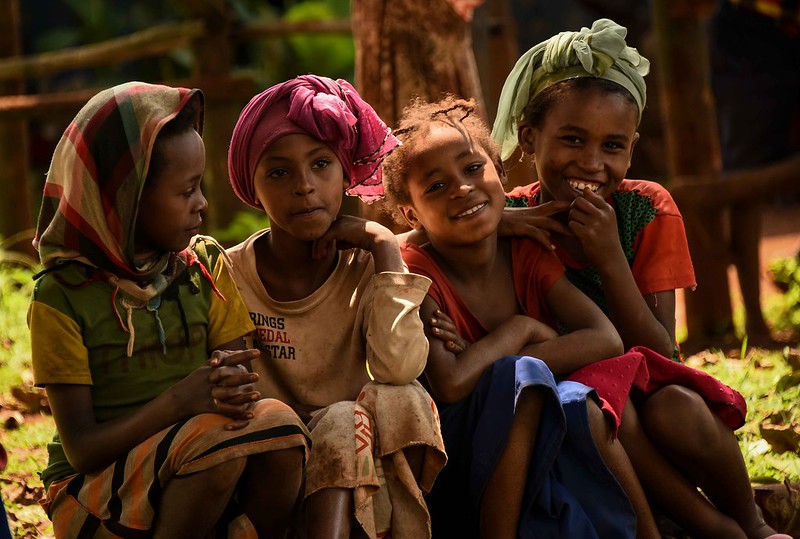
Ethiopia is the only African nation to never have experienced colonization, excluding the brief occupation by Mussolini during WWII. This rich lineage goes back further than any anglo-sphere country. From the images of the 1980s-90s famine to the current genocidal crisis in the Tigray region, Westerners may see poverty in Ethiopia, along with most of Africa, through a calamitous lens. While this view threatens to tokenize the pain of a people, it also has the potential to prompt radical change.
In recent years, Ethiopia has made headlines with its record economic growth and industrial advancement. Still, Amnesty International reports that more than 5.2 million people are currently in need of food aid in Tigray, the province at the epicenter of news coverage. Alongside the charges of human rights violations, the COVID-19 pandemic has worsened the already challenging situation. More than 22 million people are living below the poverty line with a 27% poverty rate expected only to rise. The fear of Ethiopian suffering being ignored on a global stage is what resonates in most reports from the area. However, unification through global affairs makes room for a conversation about geopolitical positions. Civil War, poor health services and global shelving continue to hurt Ethiopians and keep the country in constant economic struggle.
Growth in the Private Sector
The widespread famine of the mid-1980s shocked the world with images of Ethiopia’s hunger-ridden communities. As the country developed in the aftermath, the rate of poverty reduction in rural areas remained mild, moving from 30% to 26%. In contrast, urban development led to poverty falling from 26% to 15% in the same period. From 2004 to 2016, the blooming of business and subsequent decrease in urban poverty ensued. By 2015, the Ethiopian government was following economic leaders like China and South Korea in expanding government policy to encourage private business and development. As the private sector expands and more companies look to Ethiopia for cheap labor, poverty has started to drop. The country sought to meet China’s jaw-dropping achievement of lifting more than 800 million people out of poverty and decided to expand infrastructure, education and health through borrowing from state banks and foreign aid.
For a decade the economic growth rate was 10%. Buildings were cropping up all over the country’s capital, Addis Ababa. Ethiopia’s proximity to global markets in Europe and Asia makes it a realistic option for manufacturers of textiles that have started to set up shops in the region. This made Ethiopia one of the fastest-developing African nations and sparked global recognition of the country’s goal of reaching middle-income status for its citizens by 2025.
The Situation in Tigray
A racialized civil war occurred after president Abiy Ahmed postponed the election due to take place in August 2021 due to the COVID-19 pandemic. The Tigrayan government said this was fundamentally unconstitutional, Abiy responded by withdrawing funding to the region and the Tigray People’s Liberation Front (TPLF) answered with violence. Ethiopian and Eritrean militaries saw this as a political opportunity to get back at Tigrayians for an age-old border dispute.
As a result, ethnic cleansing has devastated communities. Alongside the brutal harm inflicted on the Tigrayan ethnic group, an 18-month-long internet blackout followed in the Northern part of Ethiopia, which is home to more than 7 million people. On November 28 and 29, a massacre of 800 people occurred in Aksum but was underreported due to the communication disconnect. Even the Tigrayian language is becoming a barrier as it is nonexistent on Google Translate. Silos have burned down and mass rapes have already become history.
War deprives people of basic resources that are essential to survival. In a country already struggling to win the fight against poverty, a fight among brothers is not helping anyone. Yet, in a hopeful twist, the Tigrayan rebels released a statement this week saying they are ready for peace talks in a rush to find diplomatic answers to the crisis. This came after last month’s fighting left many marred; again violence erupts and those responsible vacate the spotlight leaving the people without a solution, only scars.
Solutions
Spreading awareness of poverty in Ethiopia is one way to get acknowledgment that leads to holding people accountable. The media does not always cover countries like Ethiopia, but they are important. To help showcase Ethiopia and other countries on the global stage, New Jersey Senator Robert Menendez proposed the Ethiopia Stabilization, Peace and Democracy Act in 2021. This Act will allow the U.S. to help end the civil war and may help the country thrive through financial, technical and diplomatic support, while also seeking accountability for crimes against humanity in Ethiopia.
– Shane Chase
Photo: Flickr
