The Crises Threatening Global Food Security
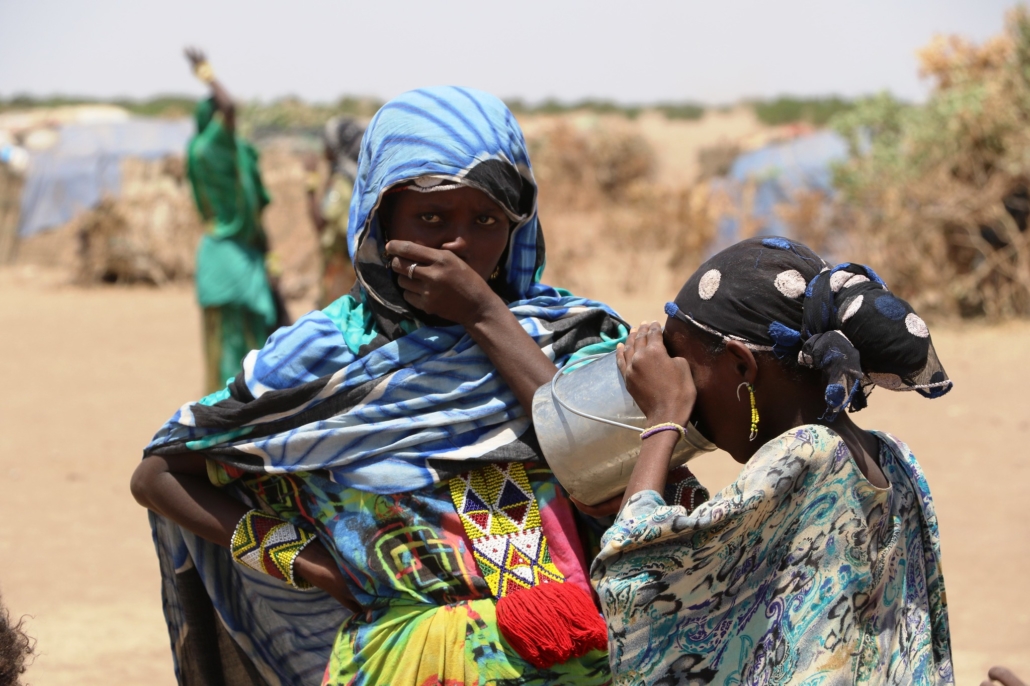
In June 2022, Dr. Cary Fowler, Special Envoy for Global Food Security highlighted in a call with Jim O’Brien, head of the Office of Sanctions Coordination, that extreme weather conditions, conflict and the COVID-19 pandemic threaten global food security. The recent war in Ukraine is also exacerbating global food insecurity, particularly affecting the world’s poor, with its distinctive multicausal nature.
The 3 Cs Impacting Global Food Security
- COVID-19: The onset of the COVID-19 pandemic disrupted the global food supply.
- Climate: Extreme weather conditions, such as drought, had implications in the U.S. and around the world.
- Conflict: The conflict in Ukraine has reduced the country’s production capacity and blockades make the Black Sea inaccessible for export, resulting in the scarcity of food, price inflation and severe disruption in the food supply chain. This is ultimately forcing millions into acute hunger.
The Impacts of the Russian Invasion
The Russian invasion has caused Ukraine’s exports to collapse as the conflict has cut off supplies from Ukraine’s ports. Before the conflict, Ukraine stood as a large exporter of key food supplies such as cooking oils, maize and wheat. As a result of the conflict, 20 million tons of grain are stuck in Ukraine from the previous harvest in 2021, said Reuters in an August 2022 article. To compensate, others, such as India and the EU, have ramped up exports, but this compensation only partly covers export losses from Ukraine.
Fears of food shortages have prompted some countries to implement export restrictions disrupting the free flow of goods to keep key food products for their own nations to deal with surging prices and food shortages. The European Union is an example, placing export restrictions on some cereals.
The chaos caused by the conflict is far-reaching due to the vital role that both Russia and Ukraine play in global commodity markets. Russia and Ukraine produce 30% of the world’s wheat supply and 18% of global corn exports. Before the war, Ukraine exported roughly “4.5 million tonnes of agricultural produce per month through its ports.” Therefore, it is no surprise that lower-income countries that are heavily reliant on commodity exports from these countries face detrimental impacts.
Dependency Issues
The threat that the conflict poses to global food security is notable. Food prices have surged, especially affecting the world’s poor. The issue here is dependency as certain countries are close to wholly dependent on exports from Ukraine and Russia for products such as wheat, maize and oilseeds.
Countries such as “Turkey, Egypt, Eritrea, Somalia, Madagascar, Tanzania, Congo and Namibia” are highly dependent on wheat imports from Ukraine and Russia. Brazil, Argentina and Bangladesh rely on Russian fertilizer for their crops, as do the African countries of Cameroon, Ghana and Ivory Coast. These countries are vulnerable and in need of finding new suppliers during this time of conflict.
The United States Responds
The U.S.’s response to the Ukraine crisis and the subsequent rise in food insecurity has been primarily geared toward restoring global food security. In June 2022, the U.S. government invested $760 million in humanitarian aid to “mitigate further increases in poverty, hunger and malnutrition in vulnerable countries impacted by high prices of food, fertilizer and fuel.”
Via USAID, the U.S. will mobilize $640 million worth of economic assistance “to support bilateral targeted agriculture and food security programs to strengthen agricultural capacity and resilience in more than 40 of the most vulnerable countries.” These programs will be customized according to each country’s specific needs. The White House has said that solutions will “tackle urgent global fertilizer shortages, purchase resilient seeds, mitigate price shortages for fertilizer, scale-up social safety nets for families suffering from hunger and malnutrition and avert food and humanitarian crises in the most vulnerable countries.”
The crisis in Ukraine is challenging global food security, resulting in reduced production in Ukraine, inaccessibility of the Black Sea ports and an increase in food prices. It comes at a time when countries are still recovering from the COVID-19 pandemic and climate-related issues. Hence, the U.S. has stepped in to provide aid to combat the crises that threaten global food security and affect lower-income countries that are heavily dependent on food imports from Russia and Ukraine.
– Claudia Efemini
Photo: Flickr
