Impact of COVID-19 on Poverty in Sri Lanka
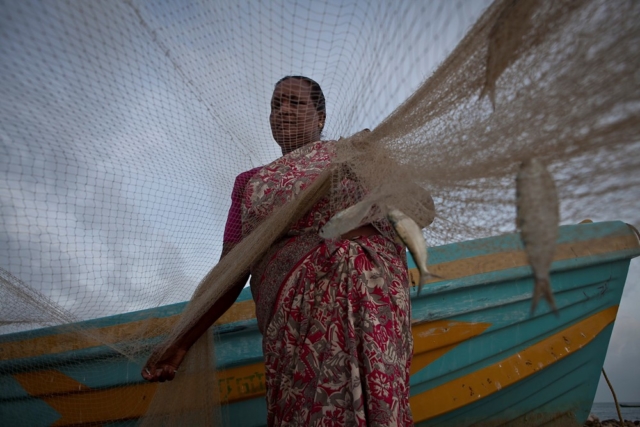
The COVID-19 pandemic has had countless effects on every aspect of life. However, it has particularly affected the economy and poverty levels. The impact of COVID-19 on poverty in Sri Lanka has halted significant poverty reduction progress due to how the pandemic has affected work stability and household income.
The Severity of the Pandemic
In May and June 2020, Sri Lanka faced increasing COVID-19 rates. The country is currently reporting about 1,282 new cases each day with the peak occurring on May 25, 2021. Sri Lanka remains on the lower end of the proportion of the South Asian population infected. However, the extremely low vaccine rate makes the situation dire. The country has administered approximately 5.3 million vaccine doses so far.
The Unstable Situation for Workers
The impact of COVID-19 on poverty in Sri Lanka is clearly visible in the labor market and job stability. Prior to the COVID-19 pandemic, Sri Lanka had made significant progress in reducing poverty. However, a majority of workers still work in agriculture and service with low incomes and poor job quality. About 70% of these jobs fall in the informal sector, a sector vulnerable to job losses and wage cuts.
Increased unemployment along with low wages and little opportunity to save put workers in a tough situation when the pandemic began. Even workers who had formal employment still clearly felt the effects of the pandemic. For instance, certain export industries struggled due to decreased demand and restrictions on travel.
However, the pandemic caused these groups of people to lose their stable wages and fall below the poverty line, contributing to an increase in overall poverty. The unemployment rate overall rose by about 0.6% from 2019 to 2020. However, this figure may not take into account the workers with part-time employment or informal jobs. The increase in poverty rate is dramatic, going from 9.2% to 11.7% from 2019 to 2020 based on the $3.20 poverty line.
Effects on Households
The impact of COVID-19 on poverty in Sri Lanka and the ensuing instability in the labor market has had significant effects on households and forced many to adjust their lives. In just the first few months of the pandemic in 2020, nearly 40% of households had lost all of their income and 93% faced some consequences from the pandemic.
Sri Lankans are still feeling the effects of the initial economic shock. Because of reduced income, families have to find alternative ways to meet their basic needs. For many, food insecurity is now a prominent issue. As a result, many people have cut back on food consumption. To save on costs, households may consume less nutritious food, which could adversely impact the health of people, especially children.
The Government Assists
When there is a crisis as widespread and impactful as the current pandemic, governments will often take action to mitigate the effects on people. It is impossible to fully negate the impact of COVID-19 on poverty in Sri Lanka. However, some of the programs may help reduce the impact and prevent the complete collapse of the economy.
Using welfare programs that had already been in place, such as the Samurdhi program, the Sri Lankan government was able to lessen the blow to people who lost part of or all of their income. During the first wave, the government gave five million families a payment of Rs 10,000. During the second wave, it gave 1.4 million families Rs 5,000.
Along with these payments, the government also instituted programs to help with employment and training for public sector jobs to help keep people employed with a stable income. Other organizations such as the World Food Programme and CARE have also been working in Sri Lanka to ensure food security.
As more Sri Lankans receive vaccines and cases decrease, Sri Lankans will hopefully be able to return to their normal lives. Being back at work with a stable income will have an immense impact on the livelihoods of millions and government programs will help restore the economy. Sri Lanka had already been making progress in lowering poverty and will hopefully get back on track after the pandemic ends.
– Ritika Manathara
Photo: Flickr
